Medically reviewed by Dt. Tunç Berge, MSc: Esthetic Dentistry & Implantology. Last reviewed June 2026
Cracked or Broken Tooth: Your Treatment Options
- TEMOS-accredited clinics
- JCI-accredited hospitals
- Board-certified surgeons and a licensed clinical team
- 3,000+ international patients treated
A NexWell planning guide to a cracked or broken tooth: how dentists tell a harmless craze line apart from a fractured cusp, cracked tooth, split tooth or vertical root fracture, which treatments fit which damage, bonding, a crown, root canal or extraction with an implant, when it's a true emergency, and how cost and next steps are usually assessed.
Written quote from a NexWell coordinator, usually within 24 hours.
Quick answer
A NexWell planning guide to a cracked or broken tooth: how dentists tell a harmless craze line apart from a fractured cusp, cracked tooth, split tooth or vertical root fracture, which treatments fit which damage, bonding, a crown, root canal or extraction with an implant, when it's a true emergency, and how cost and next…
The Five Types of Tooth Crack: From Harmless to Serious
"Cracked tooth" is not one single problem. Dentists and endodontists describe a spectrum of damage, and where your tooth sits on that spectrum decides almost everything about treatment. The American Association of Endodontists groups the damage into five recognised types, and a key point is that one type can slowly progress into the next over time if it is left unaddressed.
The mildest is a craze line. These are tiny cracks confined to the outer enamel: the hard shell of the tooth. They are extremely common in adult teeth, are very shallow, cause no pain and are generally of no concern beyond appearance.
Where craze lines bother a patient cosmetically on a front tooth, that is a separate appearance conversation, sometimes addressed with dental bonding or thin veneers rather than any urgent repair.
A fractured cusp is the next step up: a piece of the chewing surface breaks off, very often around an existing filling. A fractured cusp rarely reaches the pulp, the living nerve and blood supply inside the tooth, and usually doesn't cause much pain. A new filling, an onlay or dental crowns over the tooth typically protects what remains.
The mildest is a craze line. These are tiny cracks confined to the outer enamel: the hard shell of the tooth.
A cracked tooth proper means a crack runs from the chewing surface vertically down toward the root, but the tooth is still in one piece. This is the type that can threaten the pulp and may need root canal consideration; the prognosis depends heavily on how deep the crack travels. Caught early, the tooth can often be saved with a crown.
A split tooth is usually the long-term result of an untreated cracked tooth. Here the crack has distinct segments that can actually be separated. A split tooth cannot be saved whole. Depending on where the split runs, a portion may sometimes be retained, but in many cases the realistic outcome is tooth extraction followed by a replacement.
The most serious is a vertical root fracture (VRF): a crack that begins down in the root and travels upward. These often show minimal early symptoms and may go unnoticed until the surrounding gum and bone become infected. A vertical root fracture usually means the tooth is not restorable and the realistic path is removal and planning for dental implants or another replacement.
Treatment Plan
Ready for a written Cracked or Broken Tooth: Your Treatment Options quote?
A NexWell coordinator reviews your case and replies with a personalised treatment plan and indicative pricing — usually within 24 hours.
Treatment Options, Which Repair Fits Which Crack
Treatment is matched to the type and depth of the crack, not chosen from a menu. The table below maps the common options to the situations they typically suit. It is a general planning guide: the actual decision is made by a dentist after examining and imaging your specific tooth.
Treatment
Typically suits
What to know
Dental bonding or filling
Craze lines (cosmetic only) and small fractured cusps with no pulp involvement
Fastest, least invasive and lowest cost; tooth-coloured composite repairs minor chips. Not strong enough for cracks under heavy biting load
Dental crown or onlay
Fractured cusp and an early cracked tooth that is still in one piece
A crown caps and binds the tooth so biting forces no longer pry the crack open; the most common way to save a structurally cracked back tooth
Root canal plus crown
A cracked tooth where the crack has reached the pulp and the nerve is inflamed or infected
The inflamed pulp is removed and the tooth sealed, then crowned; prognosis is good when the crack has not extended below the gumline
Extraction plus implant or bridge
Split tooth and vertical root fracture: teeth that cannot be reliably saved
When the tooth is beyond repair, removing it and planning a single tooth implant or a dental bridge restores the gap
The honest summary is a ladder. The shallower and earlier the crack, the more likely a conservative repair, bonding, a filling or a crown, will hold. The deeper it runs and the longer it is left, the more likely it is that a root canal becomes necessary, and at the far end, that the tooth must be removed and the gap restored.
This is also why a small, painless chip is worth showing to a dentist promptly: acting at the bonding-or-crown stage is what keeps you off the extraction end of the ladder.
Is a Cracked or Broken Tooth a Dental Emergency?
Not every cracked tooth is an emergency, but some genuinely are, and knowing the difference saves both teeth and worry. As a general guide, the more sudden the damage and the more it involves pain, bleeding or a large lost piece, the sooner it should be seen.
Situations that warrant urgent or same-day attention include: a large piece of tooth breaking off, especially after trauma; sharp or throbbing pain that doesn't settle; bleeding from the tooth or gum; swelling of the gum or face, which can signal infection reaching the pulp; and a tooth knocked loose or out entirely. Severe, spreading swelling with fever is a medical urgency and should be treated without delay.
Lower-urgency situations, though still worth a prompt appointment, include a small painless chip, a craze line you've only just noticed, or mild sensitivity to hot and cold that eases quickly. These rarely need emergency care, but having them checked early is exactly what keeps a minor repair minor.
A useful warning sign for a deeper structural crack is pain on releasing a bite rather than on clenching down: a classic feature of a cracked tooth where the crack momentarily opens as pressure comes off. If you notice this, mention it specifically; it helps the dentist locate and diagnose the crack.
While you wait to be seen, simple measures help: rinse gently with warm water, use a cold compress on the outside of the cheek for swelling, avoid chewing on that side, and keep any broken fragment. This guidance is general information and not a substitute for being examined; if you are in significant pain or have swelling, contact a dental professional promptly.
Cost and Next Steps: How Repair Is Planned and Priced
Because a cracked tooth covers such a wide range, from a cosmetic craze line to a tooth that must be removed, there is no single price, and any quote depends on what the examination actually finds.
The cost ladder broadly follows the treatment ladder: bonding and fillings sit at the lowest end, a dental crown in the middle, a root canal plus crown higher, and extraction followed by a single tooth implant at the upper end because it involves surgery and a restoration over several months.
Proper diagnosis comes first. A dentist examines the tooth, often using bite tests, magnification, dye staining or transillumination to trace a crack, and may take a CBCT scan, a 3D image, when the crack's depth or a possible root fracture cannot be judged from a flat X-ray. This matters because the diagnosis changes the plan and the price entirely.
Where a tooth does need to come out, sequencing is part of the plan. The timing of tooth extraction relative to placing an implant, whether a bone graft is needed to preserve the socket, and how the gap is provisionally covered are all decided case by case.
As an indicative guide, dental treatment in Turkey is typically a fraction of the equivalent fee in the UK, USA or Australia, but the only meaningful figure is a written, itemised quote produced after an examination. Outcomes vary between patients and between crack types; an early crack caught in time is usually saved predictably, but no clinic can responsibly guarantee that any given cracked tooth can be saved.
Vetted partner network
NexWell coordinates with TEMOS-accredited clinics or Ministry of Health–licensed facilities in Turkey.
Board-certified review
Content reviewed by Dt. Tunç Berge — Turkish Dental Association (TDB).
No obligation
Get your Cracked or Broken Tooth: Your Treatment Options plan
Send your case and a coordinator returns a written plan and an indicative quote — usually within a day.
Questions Patients Ask Before They Commit
Related reading
dental
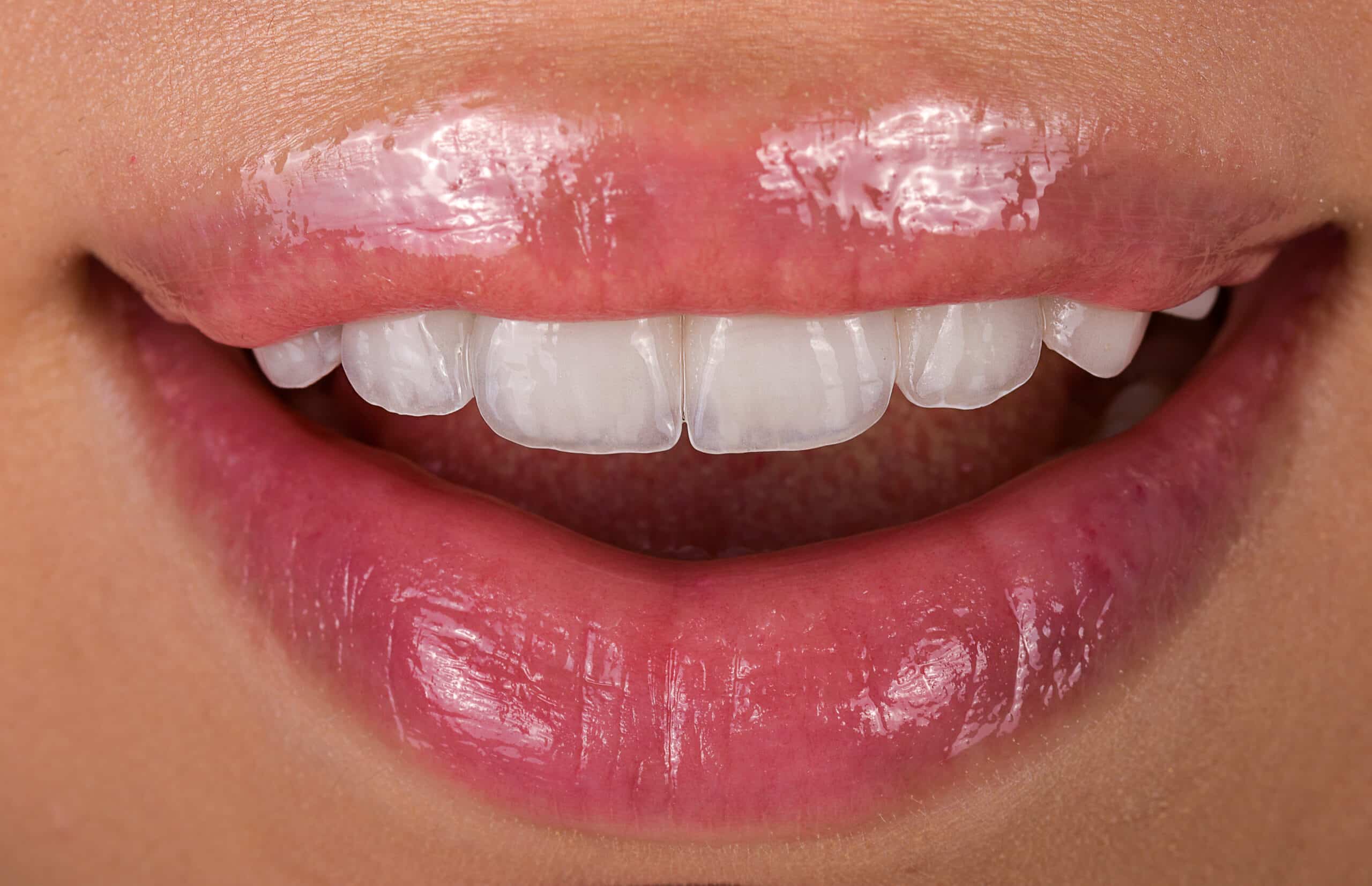
Dental Crowns in Turkey
Restore damaged, weakened, or aesthetically compromised teeth with zirconia, E-max, or porcelain-fused-to-metal crowns. Same-week treatment at TEMOS-accredited clinics in Istanbul.
Treatment Guide
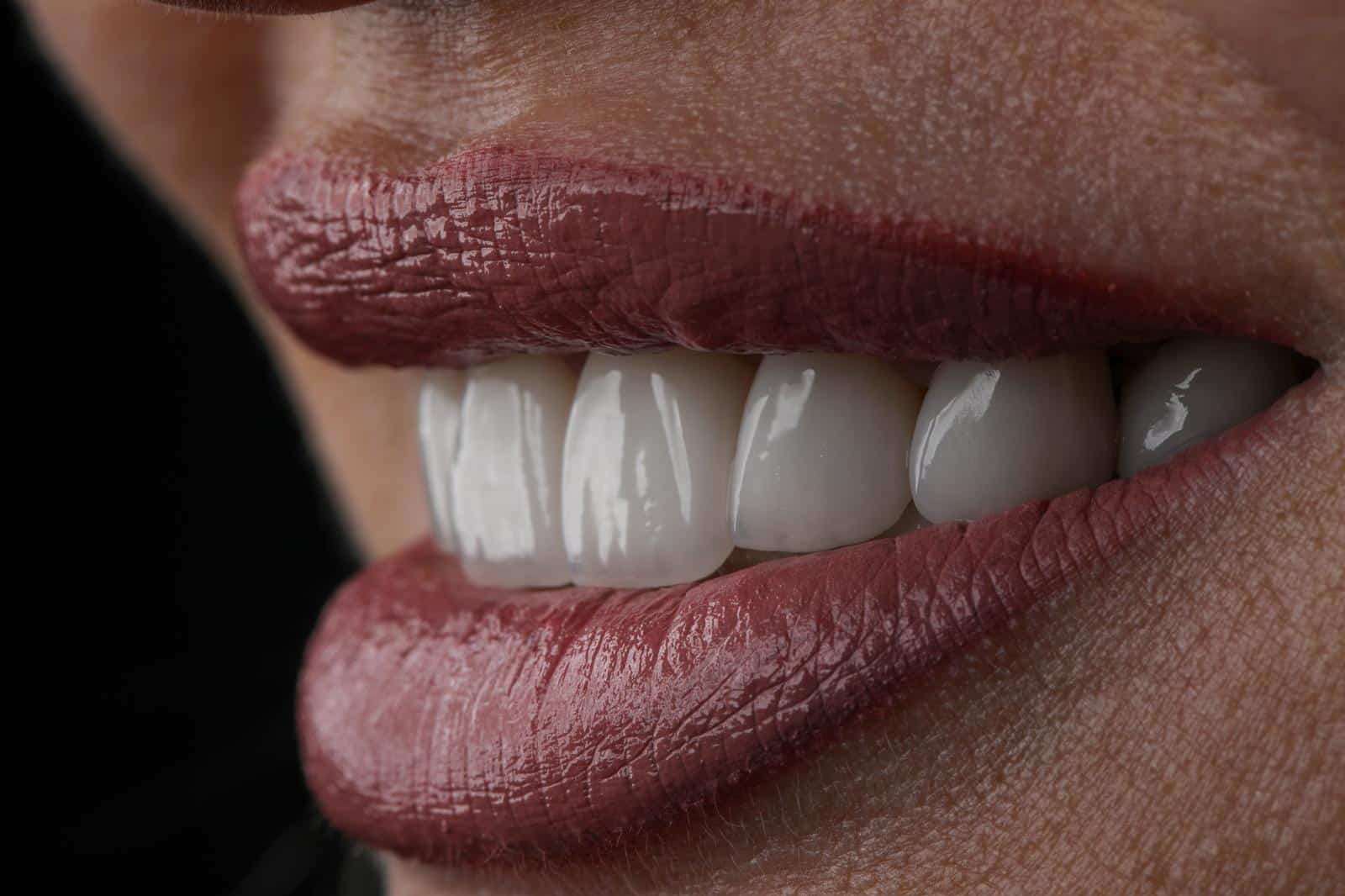
Dental Bonding: What It Is, Cost and How It Compares to Veneers
How composite bonding repairs chips and gaps in one visit, how it compares with veneers and crowns, and how to care for it.
Treatment Guide
Single Tooth Dental Implant: Procedure, Timeline and Cost
The single tooth implant step by step — placement, abutment, crown — plus a realistic timeline and cost.
Treatment Guide
Tooth Extraction and Implants: Immediate, Early or Delayed Placement
Immediate vs early vs delayed implant placement, socket preservation, and how candidacy, cost and visits are assessed.
Plan the next step clearly
Use this page as a decision-support guide, then move into quote review, treatment comparison, and travel planning with coordinator support.
Decision Context
Patients compare this treatment inside the trip around it
Treatment pages perform better when they acknowledge arrival flow, destination trust, and the recovery rhythm patients are trying to visualise before booking.

The provider decision starts with arrival confidence
Patients compare treatment pages while also asking how first-day logistics, transfers, and scheduling will actually work.

The destination still influences medical trust
A treatment page is stronger when it recognises that the city itself remains part of the decision frame for international patients.

Recovery pacing changes how people evaluate options
Different procedures feel more or less realistic depending on how patients picture the slower hours between appointments.
References
- American Association of Endodontists: Cracked Teeth (patient guide)
- American Association of Endodontists: Cracked Teeth and Vertical Root Fractures (Colleagues for Excellence, 2022)
- Lubisich EB et al.: Cracked Teeth: A Review of the Literature (PMC, NIH)
- Treatment of Cracked Teeth: A Comprehensive Narrative Review (PMC, NIH)