Medically reviewed by Dr. Dt. Ali Erhan Fırat, Dr. Dt.: Endodontics. Last reviewed June 2026
Root Canal vs Extraction and Implant: Save the Tooth or Replace It?
- TEMOS-accredited clinics
- JCI-accredited hospitals
- Board-certified surgeons and a licensed clinical team
- 3,000+ international patients treated
A NexWell decision guide to root canal versus extraction and implant: what a root canal actually does, how saving the natural tooth compares with removing it and replacing it with an implant on preservation, success, cost and longevity, and how clinicians decide when a tooth is worth keeping.
Written quote from a NexWell coordinator, usually within 24 hours.
Quick answer
A NexWell decision guide to root canal versus extraction and implant: what a root canal actually does, how saving the natural tooth compares with removing it and replacing it with an implant on preservation, success, cost and longevity, and how clinicians decide when a tooth is worth keeping.
What Is a Root Canal?
A root canal is a treatment that removes infected or inflamed soft tissue from inside a tooth so the tooth itself can be kept. Deep inside every tooth, beneath the hard enamel and dentine, is a chamber of living tissue called the pulp: nerves and blood vessels that run down through the roots.
When tooth decay, a crack or repeated dental work lets bacteria reach the pulp, it becomes inflamed or infected. That is what produces the classic symptoms: lingering sensitivity to hot and cold, pain on biting, a dull ache, or swelling.
During the procedure, the dentist or endodontist numbs the tooth, makes a small opening in the crown, and cleans the diseased pulp out of the canals that run through the roots. The hollow canals are disinfected, shaped and then sealed with a rubber-like filling material to prevent bacteria returning.
Because removing the pulp leaves the tooth more brittle, a back tooth is then usually protected with dental crowns so it can withstand chewing forces again.
The single most important idea to grasp is this: a root canal keeps your own natural tooth in place. The root stays anchored in the bone, the bite is preserved, and the neighbouring teeth are left untouched. That is fundamentally different from the alternative: removing the tooth with a tooth extraction and then rebuilding the gap with an artificial replacement.
When tooth decay, a crack or repeated dental work lets bacteria reach the pulp, it becomes inflamed or infected.
A root canal is not a guarantee that a tooth will last forever, and it is not the right answer for every damaged tooth. But where the tooth structure is sound enough to restore, the leading endodontic guidance is consistent: save the natural tooth where possible.
Root Canal vs Extraction and Implant: Side by Side
The real choice is rarely 'root canal versus nothing.' It is 'keep the tooth with a root canal' versus 'remove it and replace it.' And replacement is itself a multi-step path: an extraction, healing, sometimes a bone graft to rebuild the socket, then a single tooth implant with its own crown, or, in some cases, a dental bridge or partial dentures instead.
The table below compares the two routes on the factors patients ask about most.
Factor
Root canal (save the tooth)
Extraction plus implant (replace it)
Tooth preservation
Keeps your own natural tooth, root and bite intact
Removes the natural tooth; replaces it with an artificial implant and crown
Success rate
High for suitable teeth; many last for years and often a lifetime with good care
High once the implant integrates, but depends on healing and bone quality
Cost
Usually lower overall, especially once removal plus implant plus crown is added up
Higher total, because it bundles extraction, any grafting, the implant and a new crown
Longevity
Depends on the remaining tooth structure and the final restoration
Depends on osseointegration, bone health and aftercare over time
Procedure
Typically one or two visits; tooth then crowned
Multiple stages over months: extraction, healing, implant placement, then the crown
The pattern that emerges is the one endodontic and dental bodies emphasise: a healthy natural root is hard to improve on. An implant is an excellent way to replace a tooth that genuinely cannot be saved, but it is a replacement, not an upgrade on a sound natural tooth. Where a tooth can be predictably restored, keeping it is usually the simpler, lower-cost and more conservative path.
Where it cannot, a planned extraction and implant is the better long-term answer than clinging to a failing tooth.
Treatment Plan
Ready for a written Root Canal vs Extraction and Implant: Save the Tooth or Replace It? quote?
A NexWell coordinator reviews your case and replies with a personalised treatment plan and indicative pricing — usually within 24 hours.
When to Save the Tooth
A root canal is generally the preferred route when enough healthy tooth structure remains to rebuild and protect the tooth afterwards. If the crown of the tooth is largely intact, or can be restored with a filling and then a crown, the tooth has a sound foundation to build on. The same applies when the surrounding bone and gums are healthy and the root is not fractured below the gum line.
There are good reasons to lean toward preservation. Keeping the natural root maintains the bone around it, because the root continues to load and stimulate the jaw the way an artificial replacement cannot guarantee. It avoids disturbing the neighbouring teeth, and it sidesteps the longer, multi-stage replacement pathway entirely.
National endodontic guidance is direct: no denture, bridge or implant looks, feels or functions quite like a healthy natural tooth, so saving it is the first choice whenever it is realistic.
A root canal is also often the more cost-conscious decision. Once you add the price of removing the tooth, any bone graft needed to preserve the socket, the implant and the final crown, the replacement route frequently costs more in total than treating and crowning the original tooth.
None of this means a root canal is risk-free or eternal. Teeth that have had the pulp removed are more brittle, which is why a back tooth is normally crowned; and a small share of treated teeth need retreatment later. But for a tooth that is structurally restorable, the balance of evidence supports saving the natural tooth where possible.
When to Extract and Implant
Sometimes a tooth genuinely cannot, or should not, be saved, and forcing a root canal onto a hopeless tooth simply delays the inevitable at extra cost.
Extraction followed by replacement becomes the more sensible plan when the tooth is too badly broken down to restore, when there is a vertical root fracture, when severe periodontal disease has destroyed the supporting bone, or when a previously root-treated tooth has failed and is not a good candidate for retreatment.
In those situations, removing the tooth with a planned tooth extraction and replacing it is the constructive path rather than a defeat.
The gold-standard replacement for a single missing tooth is usually a single tooth implant: a titanium post placed into the jaw that, once it fuses to the bone through osseointegration, supports its own crown without touching the neighbouring teeth.
Where an implant is not suitable, a dental bridge or a removable partial denture can fill the gap.
Timing and bone matter here. Once a tooth is removed, the socket bone begins to remodel, and if too much is lost a bone graft may be needed before an implant can be placed predictably. This is why the sequence of extraction, healing and placement is planned deliberately rather than rushed.
The honest framing is that an implant is not a 'better tooth' than a healthy natural one; it is the best available replacement for a tooth that is beyond saving. Choosing extraction and an implant for a truly failing tooth is good dentistry. Choosing it as a shortcut for a tooth that could have been kept is not.
Cost and Considerations
On a single tooth, the cost comparison usually runs in the root canal's favour once every step is counted. A root canal plus a crown is one treatment pathway. Extraction and an implant is several: removing the tooth, any grafting, the implant, the healing period and a new crown on top.
Published cost-effectiveness research consistently finds the total cost of extraction-and-replacement higher than root canal treatment for a restorable tooth, so a low quoted extraction fee can be misleading once the full replacement bill is added up.
There is more than money to weigh, though. Time matters: a root canal is typically one or two visits, whereas an implant pathway is staged across months. Biology matters: keeping the natural root helps preserve the surrounding bone, while an extraction starts a remodelling process that an implant only partly offsets.
And predictability matters: both routes have high success rates in the right cases, but each depends on case selection: a sound tooth for the root canal, healthy bone and good healing for the implant.
For patients comparing prices across countries, the same logic applies in either direction. Treatment in Turkey is typically a fraction of the equivalent fee in the USA, UK or Australia for both root canals and implants, but the only meaningful figure is a written, itemised quote produced after a clinical exam and imaging.
A quote should make clear whether it covers the crown, any bone graft, the abutment and follow-up.
All figures are indicative ranges and vary by tooth, case and clinic, and individual outcomes differ between patients. No clinic can responsibly guarantee that any tooth will last a lifetime or that any implant will never fail. The reliable basis for a decision is a clinical assessment of whether the specific tooth is restorable, not a price comparison in isolation.
Vetted partner network
NexWell coordinates with TEMOS-accredited clinics or Ministry of Health–licensed facilities in Turkey.
Board-certified review
Content reviewed by Dr. Dt. Ali Erhan Fırat — Turkish Dental Association (TDB).
5.0★ from real patients (5 reviews)
“I was told by two dentists at home that I didn't have enough bone. They did the graft and implants in one trip. Six months later I came back for the final crowns. Incredible team.” — Mark T., Dublin, Ireland
No obligation
Get your Root Canal vs Extraction and Implant: Save the Tooth or Replace It? plan
Send your case and a coordinator returns a written plan and an indicative quote — usually within a day.
Questions Patients Ask Before They Commit
Related reading
Treatment Guide
Tooth Extraction and Implants: Immediate, Early or Delayed Placement
Immediate vs early vs delayed implant placement, socket preservation, and how candidacy, cost and visits are assessed.
Treatment Guide
Single Tooth Dental Implant: Procedure, Timeline and Cost
The single tooth implant step by step — placement, abutment, crown — plus a realistic timeline and cost.
dental
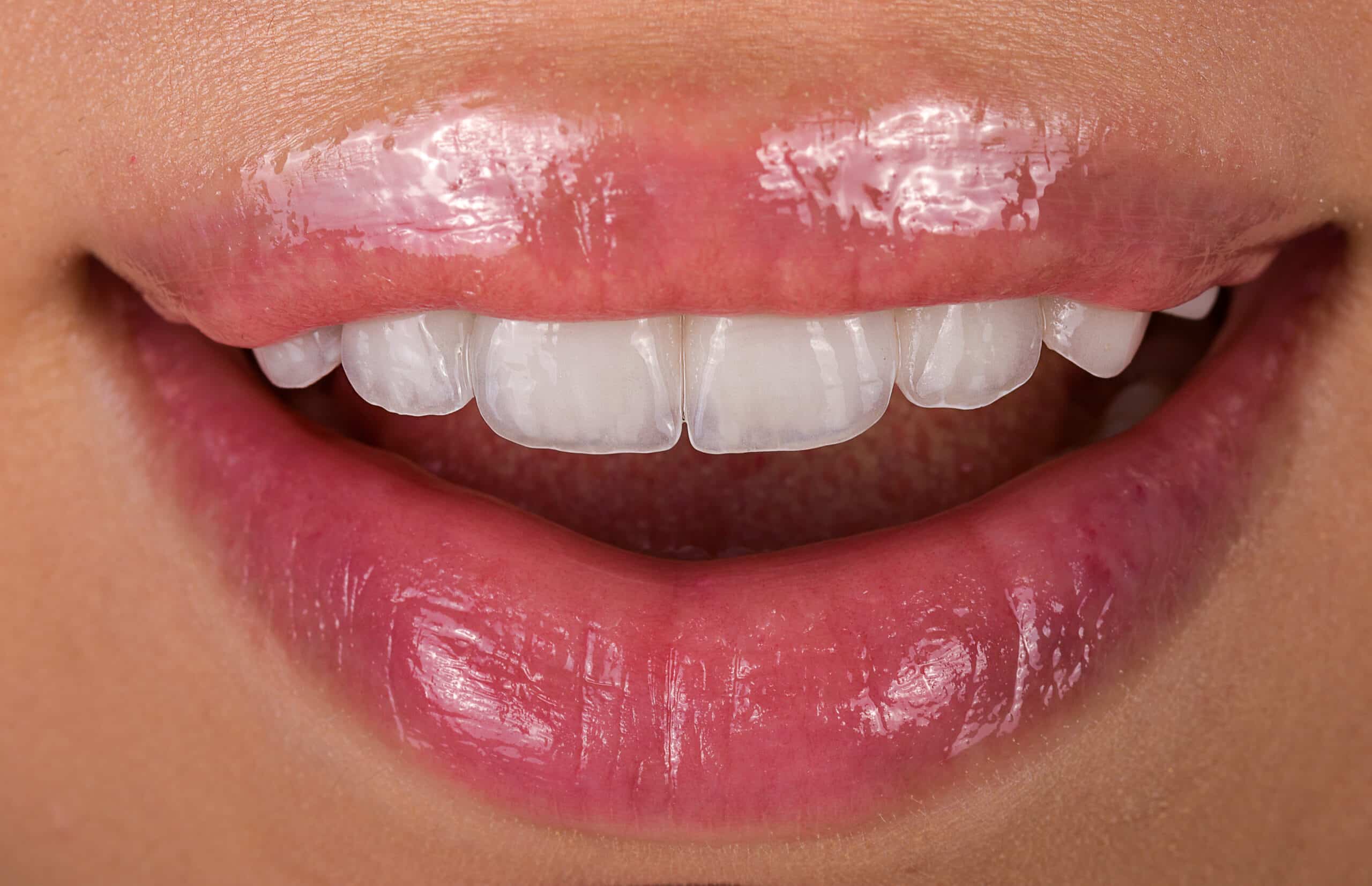
Dental Crowns in Turkey
Restore damaged, weakened, or aesthetically compromised teeth with zirconia, E-max, or porcelain-fused-to-metal crowns. Same-week treatment at TEMOS-accredited clinics in Istanbul.
dental
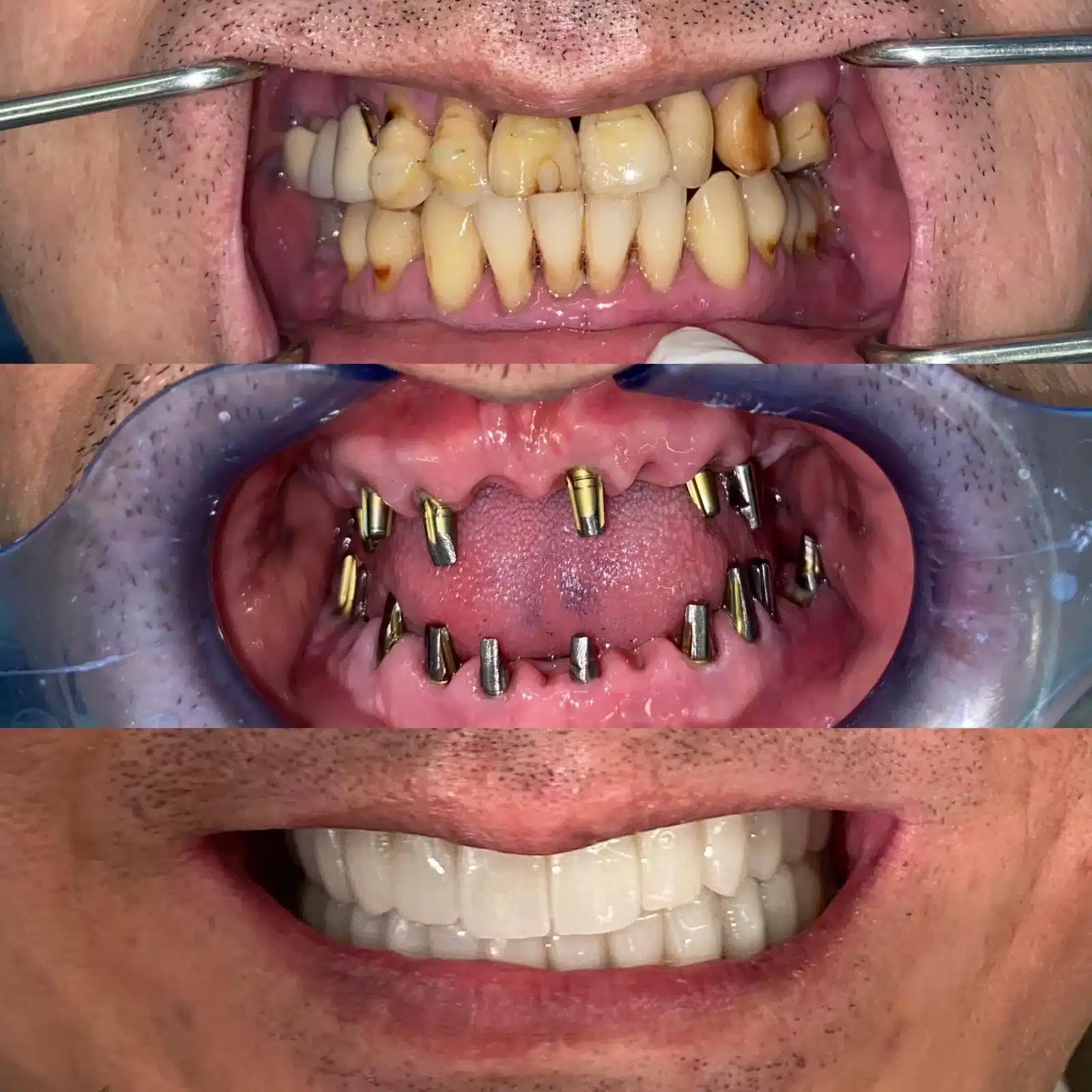
Dental Implants in Turkey
Replace a single tooth or your entire smile with premium dental implants in Istanbul. Same brands as London specialists, a fraction of the cost. 5-day treatment packages. TEMOS-accredited dental clinics.
Plan the next step clearly
Use this page as a decision-support guide, then move into quote review, treatment comparison, and travel planning with coordinator support.
Decision Context
Patients compare this treatment inside the trip around it
Treatment pages perform better when they acknowledge arrival flow, destination trust, and the recovery rhythm patients are trying to visualise before booking.

The provider decision starts with arrival confidence
Patients compare treatment pages while also asking how first-day logistics, transfers, and scheduling will actually work.

The destination still influences medical trust
A treatment page is stronger when it recognises that the city itself remains part of the decision frame for international patients.

Recovery pacing changes how people evaluate options
Different procedures feel more or less realistic depending on how patients picture the slower hours between appointments.
References
- American Association of Endodontists: Root Canal vs Extraction
- American Association of Endodontists: Saving Your Natural Tooth
- Comparative outcomes of endodontically treated teeth versus implant-supported prostheses: a systematic review (PMC)
- Cost-effectiveness of root canal treatment compared with tooth extraction: a prospective controlled cohort study (PMC)