Medically reviewed by Dt. Tunç Berge, MSc: Esthetic Dentistry & Implantology. Last reviewed June 2026
Dental Bridge vs Implant: How to Choose
- TEMOS-accredited clinics
- JCI-accredited hospitals
- Board-certified surgeons and a licensed clinical team
- 3,000+ international patients treated
A NexWell decision guide comparing a dental bridge with a single implant for one or more missing teeth: how each works, how they differ on adjacent teeth, bone preservation, longevity and cost, when a bridge makes sense, when an implant is the better long-term call, and what a written quote should show.
Written quote from a NexWell coordinator, usually within 24 hours.

Quick answer
A NexWell decision guide comparing a dental bridge with a single implant for one or more missing teeth: how each works, how they differ on adjacent teeth, bone preservation, longevity and cost, when a bridge makes sense, when an implant is the better long-term call, and what a written quote should show.
What Is a Dental Bridge?
A dental bridge is a fixed restoration that fills the gap left by one or more missing teeth by anchoring to the natural teeth on either side. The two anchor teeth are reshaped and capped with dental crowns, and a false tooth, called a pontic, is fused between them to span the gap.
Cemented in place, the result looks and functions like a row of connected teeth and is not removable by the patient.
The alternative being compared throughout this guide is a single dental implant: a small titanium post placed into the jawbone to replace the missing tooth root, topped with its own crown.
Where a bridge borrows support from neighbouring teeth, an implant is free-standing: it relies on the bone fusing to its surface through a biological process called osseointegration, and is restored with a crown attached to the post by a connector known as an abutment.
That structural difference is the heart of the whole decision. A bridge is quicker and avoids surgery, but it commits two healthy adjacent teeth to being permanently reshaped. An implant leaves the neighbours untouched and preserves the bone where the tooth was lost, but it involves a minor surgical step and a longer overall timeline.
Neither is universally "better": the right choice depends on the condition of the surrounding teeth, the bone, the budget and how the case is planned.
Cemented in place, the result looks and functions like a row of connected teeth and is not removable by the patient.
This page sets out those trade-offs plainly so you can have an informed conversation with a dentist. It is general educational information and not a substitute for an individual clinical assessment.
Dental Bridge vs Implant: Side by Side
The two options differ on five practical factors that tend to decide most cases: what they do to the neighbouring teeth, whether they preserve the jawbone, how long they last, what they cost and what the procedure involves. The table below sets them out so the trade-offs are easy to see at a glance.
Factor
Dental bridge
Single dental implant
Adjacent teeth
The two neighbouring teeth are permanently reshaped to carry crowns, even if they are otherwise healthy
The neighbouring teeth are left fully intact and untouched
Bone preservation
Does not replace the tooth root, so the bone under the pontic gradually shrinks over the years
Replaces the root, so chewing forces keep stimulating the bone and help preserve bone density
Longevity
Typically lasts around 10-15 years with good care; the low end can be shorter
The post can last decades, often a lifetime, when it integrates and is well maintained; the crown may be renewed sooner
Cost
Lower upfront cost; no surgery
Higher upfront cost; involves a surgical placement step
Procedure
Usually two visits over a couple of weeks; no bone healing required
A surgical placement, then a healing period for integration before the final crown: a longer timeline
Neither column is the "winner." A bridge wins on speed and a lower initial price; an implant wins on protecting the neighbouring teeth, preserving bone and lasting longer. The figures above are typical ranges reported in the dental literature, not promises: individual outcomes depend on oral health, habits and maintenance.
It is also worth noting that an implant is not the only way to avoid reshaping healthy teeth: in some cosmetic-led cases people compare bridges and implants alongside more conservative options such as veneers, though veneers replace surface, not a whole missing tooth, so they answer a different problem.
Treatment Plan
Ready for a written Dental Bridge vs Implant: How to Choose quote?
A NexWell coordinator reviews your case and replies with a personalised treatment plan and indicative pricing — usually within 24 hours.
When a Dental Bridge Makes Sense
A bridge is a sound, well-established choice in several common situations, and in some of them it is the more sensible option, not just the cheaper one.
The clearest case is when the teeth on either side of the gap already need crowns. If a neighbouring tooth is heavily filled, cracked or already due for a crown, reshaping it to anchor a bridge does not sacrifice a healthy tooth: the restorative work was needed anyway, and the bridge puts it to use.
A bridge can also be the practical answer when speed matters: it is fitted across roughly two visits over a couple of weeks, with no surgical healing period, so it suits people who want the gap closed quickly.
A bridge can also be preferable where an implant is not straightforward. If the bone at the site is deficient, the implant route may first require a bone graft or a sinus lift to rebuild volume, which adds months and cost.
Where a patient would rather avoid surgery, or where a health condition makes a longer surgical plan less appealing, a bridge sidesteps the need for the bone to support a post at all.
Budget is a legitimate factor too. A bridge has a lower upfront cost, and for some patients that difference is decisive. The honest caveat is the long view: because a bridge does not preserve the bone beneath the pontic and is typically replaced every 10-15 years, its lifetime cost can converge with, or exceed, an implant once replacements are counted.
A bridge is a strong choice when its trade-offs genuinely fit the case, not merely because it is the lower sticker price.
When a Dental Implant Makes Sense
A single implant tends to be the better long-term call when the teeth either side of the gap are healthy and you would rather not touch them. Reshaping two sound teeth to carry a bridge is irreversible; an implant replaces only the missing tooth and leaves its neighbours completely intact. For a single gap flanked by strong, untouched teeth, that alone is often the deciding argument.
Implants also lead on bone. Because the post acts as an artificial root, it transmits chewing force into the jaw and helps maintain bone where a bridge pontic allows the ridge to flatten over the years. Over a long horizon the post itself can last decades, often a lifetime, when it achieves stable osseointegration and is well maintained, which is why implants are frequently framed as the more durable investment.
Implants are also the natural route when more than a single tooth is involved or the whole arch is in question.
Multiple missing teeth may be restored on several implants, and full-arch loss is addressed with plans such as All-on-4, All-on-6 or full mouth dental implants: territory where a conventional bridge anchored to natural teeth cannot help.
In selected cases an implant can also be restored quickly using immediate loading, though this is assessed individually and is not promised in advance.
Getting there safely depends on planning.
Candidacy is confirmed with a CBCT scan rather than a flat X-ray, the gums must be healthy first: active gum disease is treated through periodontal treatment before any post goes in, and the implant system and material are chosen for the case, which is why patients sometimes ask how options compare across zirconia versus titanium or between dental implant brands.
Cost and Durability: Reading the Real Numbers
On paper a bridge costs less than an implant, and that gap is real at the point of treatment. But comparing a single sticker price can be misleading, because the two restorations are usually compared over different lifespans.
A bridge is typically expected to last around 10-15 years before it needs replacing, and each replacement is a fresh cost, and a fresh reshaping of the anchor teeth. An implant carries a higher upfront fee, but the integrated post can serve for decades, with only the crown likely to be renewed within that span.
Over a 20- or 30-year horizon the lifetime arithmetic can narrow considerably, and bone loss under a long-standing bridge can add future complexity that a price quote never shows. The fair way to compare is cost over expected lifespan and biological consequences, not the first invoice alone.
For patients considering treatment in Turkey, both bridges and implants are typically a fraction of the equivalent fee in the USA, UK or Australia. As with any plan, the only meaningful number is a written, itemised quote produced after an examination and imaging, not a headline figure online.
A good quote makes the scope explicit: the materials used, how many units or implants are planned, the abutment and crown type, whether any bone graft or other preparation is included or billed separately, diagnostics, follow-up and any guarantees in writing.
Durability figures here are typical ranges from the dental literature, not guarantees. How long either restoration lasts depends heavily on oral hygiene, bite, habits such as grinding, and regular maintenance: factors that vary from patient to patient and that no clinic can responsibly promise on your behalf.
How to Make the Decision
Rather than asking "which is better," the more useful question is "which fits my case." A short, honest checklist usually points the way before you ever see a price.
Are the neighbouring teeth healthy and untouched? If yes, an implant avoids sacrificing them, and that weighs heavily toward implant. Do those neighbours already need crowns anyway? If so, a bridge puts necessary work to use and the calculus shifts toward bridge. Is the bone at the site adequate, or would the implant route need grafting first?
Do you need the gap closed quickly, or can you accommodate a longer integration timeline? And are you weighing the lower upfront cost of a bridge against the longer service life of an implant?
The answers rarely all point the same way, which is exactly why this is a clinical conversation rather than a formula. A dentist examines the gap, the neighbouring teeth and the gums, reviews a CBCT scan where an implant is on the table, and explains the realistic options for your specific mouth, including the trade-offs each one carries.
If you remember one thing, let it be this: the decision is about the condition of the teeth around the gap, the bone beneath it and the time horizon you are planning for, not about the cheapest line on a quote. Use this guide to ask better questions, then let an in-person assessment confirm the plan.
Vetted partner network
NexWell coordinates with TEMOS-accredited clinics or Ministry of Health–licensed facilities in Turkey.
Board-certified review
Content reviewed by Dt. Tunç Berge — Turkish Dental Association (TDB).
5.0★ from real patients (5 reviews)
“I was told by two dentists at home that I didn't have enough bone. They did the graft and implants in one trip. Six months later I came back for the final crowns. Incredible team.” — Mark T., Dublin, Ireland
No obligation
Get your Dental Bridge vs Implant: How to Choose plan
Send your case and a coordinator returns a written plan and an indicative quote — usually within a day.
Questions Patients Ask Before They Commit
Related reading
dental
Dental Implants in Turkey
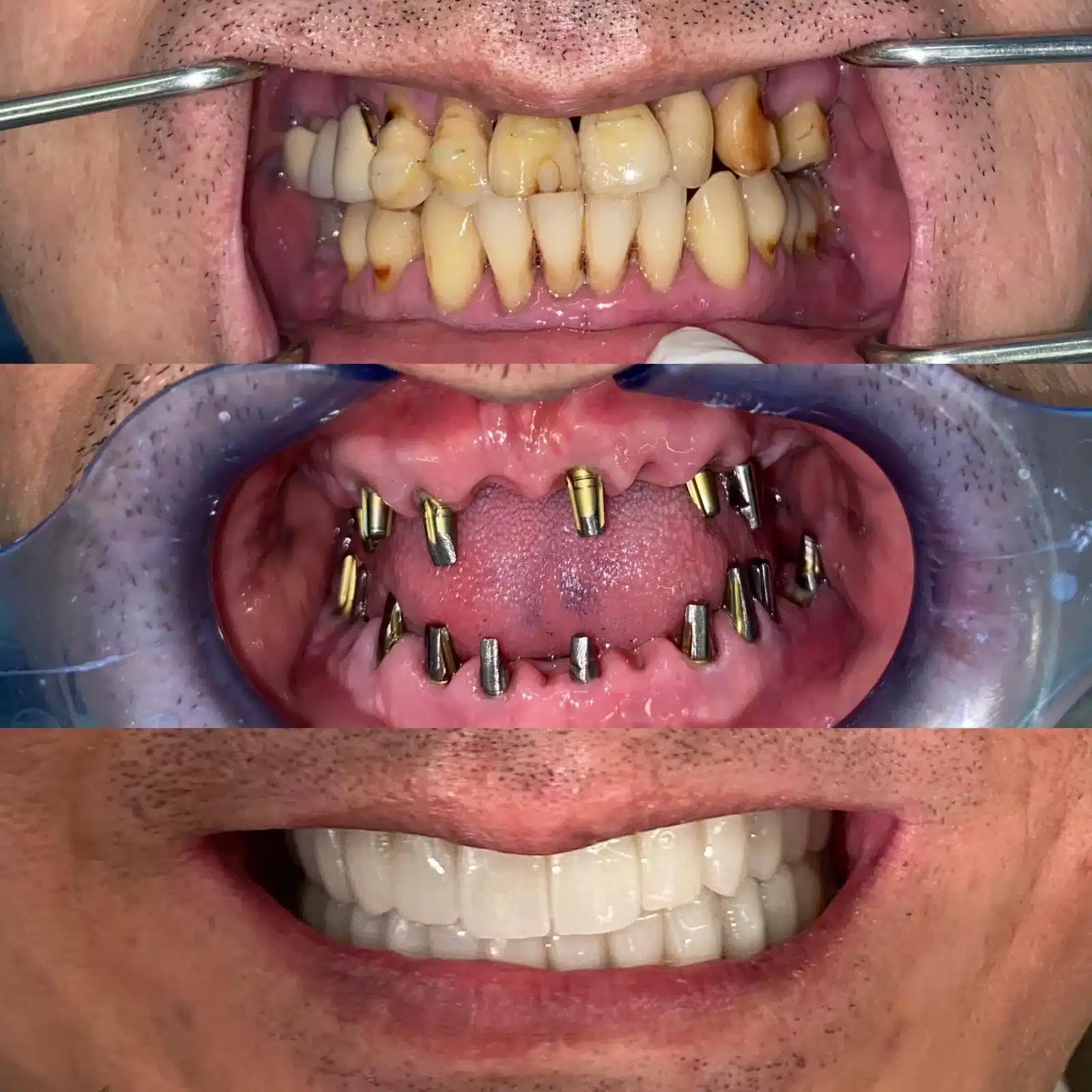
Replace a single tooth or your entire smile with premium dental implants in Istanbul. Same brands as London specialists, a fraction of the cost. 5-day treatment packages. TEMOS-accredited dental clinics.
dental
Dental Crowns in Turkey
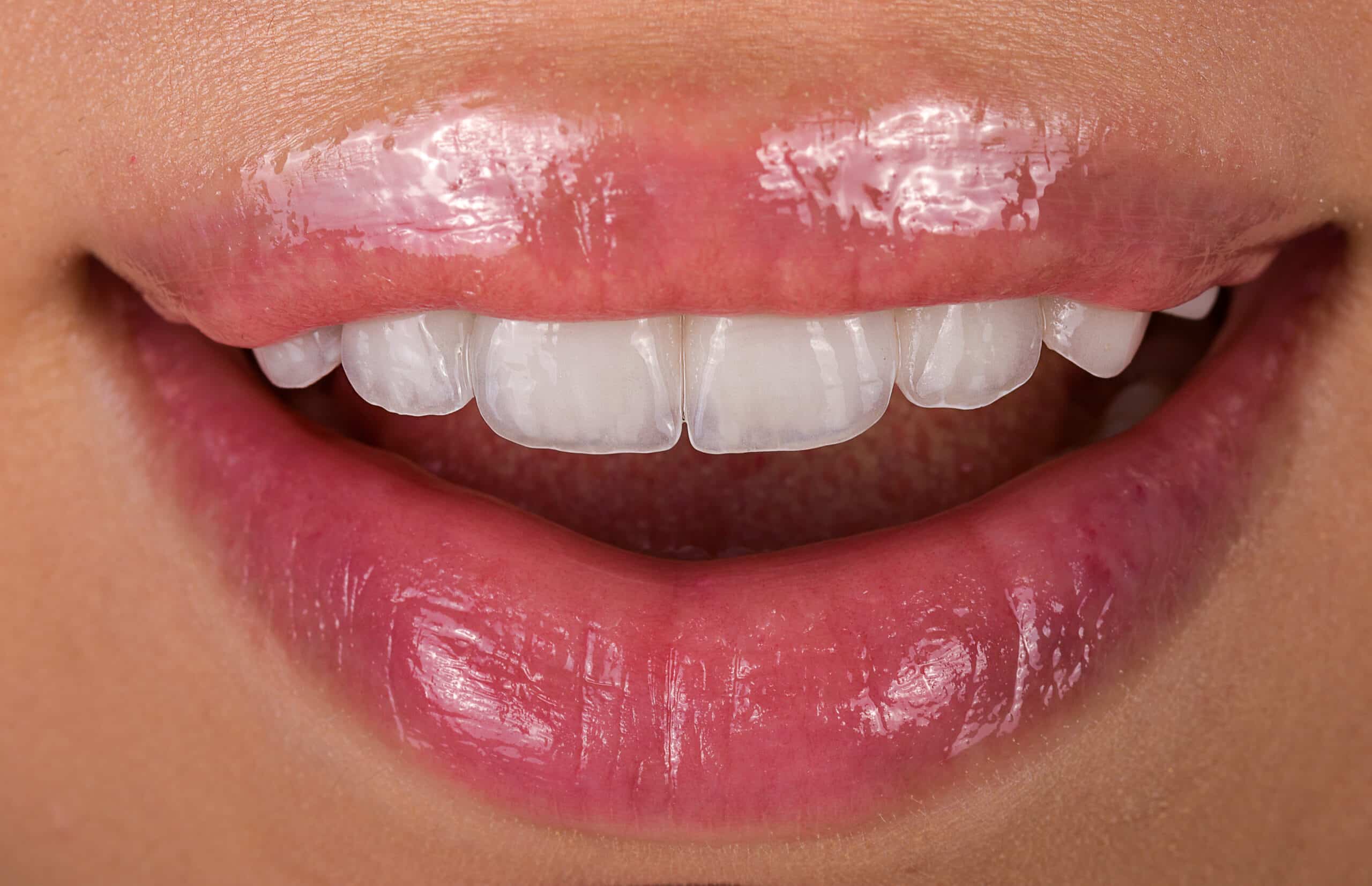
Restore damaged, weakened, or aesthetically compromised teeth with zirconia, E-max, or porcelain-fused-to-metal crowns. Same-week treatment at TEMOS-accredited clinics in Istanbul.
Treatment Guide
Jawbone Density and Dental Implants: When There's Not Enough Bone
How bone is measured on CBCT, why it is lost, and solution paths — grafting, sinus lift, short implants or zygomatic anchorage.
dental-treatments
Full Mouth Dental Implants Turkey: Planning, Cost Logic and Case Selection
A buyer-focused guide to full mouth dental implants in Turkey, including who qualifies, what changes the budget, and how to compare All-on-4, All-on-6, and staged rehabilitation.
Plan the next step clearly
Use this page as a decision-support guide, then move into quote review, treatment comparison, and travel planning with coordinator support.
Decision Context
Patients compare this treatment inside the trip around it
Treatment pages perform better when they acknowledge arrival flow, destination trust, and the recovery rhythm patients are trying to visualise before booking.

The provider decision starts with arrival confidence
Patients compare treatment pages while also asking how first-day logistics, transfers, and scheduling will actually work.

The destination still influences medical trust
A treatment page is stronger when it recognises that the city itself remains part of the decision frame for international patients.

Recovery pacing changes how people evaluate options
Different procedures feel more or less realistic depending on how patients picture the slower hours between appointments.
References
- American Dental Association (MouthHealthy): Dental implants and tooth replacement options
- Pjetursson BE et al.: Survival of implant-supported single crowns vs tooth-supported fixed dental prostheses (PubMed 26435609)
- Scheuber S, Hicklin S, Brägger U: Implants versus short-span fixed bridges: a systematic review (PubMed 23062127)