Medically reviewed by Dt. Tunç Berge, MSc: Esthetic Dentistry & Implantology. Last reviewed June 2026
Clear Aligners Compared: Invisalign vs Spark vs ClearCorrect
- TEMOS-accredited clinics
- JCI-accredited hospitals
- Board-certified surgeons and a licensed clinical team
- 3,000+ international patients treated
A NexWell planning guide to clear aligner brands: how Invisalign, Spark and ClearCorrect differ on case range, attachments, refinements and visibility, when aligners are the right call versus veneers or crowns, and what treatment indicatively costs in Turkey versus abroad.
Written quote from a NexWell coordinator, usually within 24 hours.
Quick answer
A NexWell planning guide to clear aligner brands: how Invisalign, Spark and ClearCorrect differ on case range, attachments, refinements and visibility, when aligners are the right call versus veneers or crowns, and what treatment indicatively costs in Turkey versus abroad.
What Clear Aligners Actually Are, and What They Are Not
Clear aligners are a series of transparent, removable trays that move teeth in small, planned increments toward a target position. Instead of fixed brackets and wires, each tray is worn for roughly one to two weeks before being swapped for the next in the sequence. Because the trays are see-through and taken out for eating and cleaning, they have become the orthodontic route most adults research first.
It helps to separate two ideas that are often blurred in marketing. Clear aligners are an orthodontic tool: they reposition natural teeth over time. They are not a cosmetic shortcut that resurfaces or reshapes teeth the way veneers or dental crowns do. If the underlying problem is crowding, spacing, rotation or a bite issue, aligners can be a genuinely good fit.
If the problem is colour, shape, worn edges or chipped enamel on teeth that are already well aligned, a restorative path such as a Hollywood smile is usually the more direct answer.
Aligner treatment typically depends on a few shared building blocks regardless of brand: a digital scan or impression of the teeth, a software-driven movement plan, small tooth-coloured composite bumps called attachments that give the trays something to grip, and a finishing phase.
Patients comparing brands should understand these shared mechanics first, because most real-world differences sit in how each system handles complex movements, refinements and visibility, not in the basic concept.
It helps to separate two ideas that are often blurred in marketing.
Invisalign vs Spark vs ClearCorrect: How the Three Main Brands Differ
Invisalign is the most established and most widely marketed clear aligner system, with the largest accumulated case library and the broadest set of features for complex movements. Spark is a newer system that many clinicians choose for its tray clarity and stain resistance, while ClearCorrect is often positioned as a flexible, cost-sensitive option that still covers a wide range of mild-to-moderate cases.
None of these brands is universally 'best': the right choice depends on case complexity and the experience of the treating clinician, not the logo on the tray.
The table below sets out the practical comparison points patients ask about most. Figures are indicative and vary by country, clinic and case difficulty.
Comparison point
Invisalign
Spark
ClearCorrect
Typical case range
Mild to genuinely complex; widest documented range including difficult bite work
Mild to moderate, increasingly used for some complex cases
Mild to moderate; some clinicians extend to complex with planning
Attachments
Mature, highly engineered attachment library for precise tooth control
Attachments designed to be more discreet on the tray surface
Standard attachment approach; effective for most routine movements
Refinements
Refinement scans and extra trays commonly built into longer plans
Refinements supported; clinician-dependent inclusion
Refinements supported; often a flexible per-case arrangement
Visibility / aesthetics
Very discreet; long track record
Marketed for high clarity and resistance to staining over the wear cycle
Discreet trays; trimmed to the gum line in many designs
Indicative cost position
Usually the highest brand fee
Mid-to-premium
Often the most cost-sensitive of the three
In practice, the differences between these systems matter less than two things the brand cannot supply: an accurate diagnosis and a clinician who plans movements well. A skilled orthodontist using ClearCorrect will typically outperform an inexperienced provider using a premium brand. Patients should treat brand as one input, not the decision.
Treatment Plan
Ready for a written Clear Aligners Compared: Invisalign vs Spark vs ClearCorrect quote?
A NexWell coordinator reviews your case and replies with a personalised treatment plan and indicative pricing — usually within 24 hours.
Which Aligner Suits Which Case
Because the three systems overlap heavily in the mild-to-moderate range, brand selection is most meaningful at the edges. For straightforward crowding, minor spacing or relapse after previous orthodontics, all three brands are typically capable, and the choice often comes down to clinic familiarity and cost. For these cases, paying a premium for the best-known brand rarely changes the outcome.
For more complex movements: significant rotations, bite correction, closing larger gaps or managing teeth that need careful three-dimensional control: the system with the deepest engineering history and the most refined attachment library tends to have an advantage. That said, an experienced clinician may achieve excellent results in complex cases with any of the three when the plan is sound.
There is also a category of case where no clear aligner brand is the right tool at all. Severe skeletal discrepancies, large bite problems rooted in jaw position, or cases that would historically have needed jaw surgery are generally beyond what trays alone can correct, and may need fixed braces, surgical input or a combined approach.
Likewise, if teeth are missing rather than misaligned, the conversation shifts toward replacement options such as dental implants, sometimes after osseointegration of a fixture, rather than aligners. A good consultation should be willing to tell a patient when aligners are not the answer.
Aligners or Veneers? When to Move Teeth and When to Restore Them
One of the most common decisions patients face is whether to straighten teeth with aligners or reshape them with veneers. These are different tools for different problems, and confusing them leads to either over-treatment or disappointment.
Clear aligners are the conservative, biological choice when the teeth themselves are healthy but sit in the wrong position. Moving natural teeth removes no enamel and preserves the original tooth: a meaningful advantage for long-term dental health.
The trade-off is time: orthodontic movement takes months, and the result is straighter teeth in their natural colour and shape, not a cosmetic transformation of colour or form.
Veneers and, in heavier cases, dental crowns are restorative tools. They change the colour, shape and surface of teeth and can mask minor misalignment quickly. The trade-off is that most veneers involve some irreversible preparation of the tooth surface, and they are a lifelong maintenance commitment.
A useful way to frame it: if the teeth are the right shape and colour but in the wrong place, aligners are usually the better first conversation. If the teeth are in an acceptable position but the wrong shape or colour, restoration may be more direct. Many considered plans combine the two in sequence: aligners first to position the teeth correctly, then minimal veneers only where shape or colour still needs refining.
This 'align then restore' approach often allows thinner, more conservative veneers, because the dentist is not using porcelain to compensate for position. For patients also missing teeth, a plan may even fold in dental implants or a wider restorative design once alignment is complete.
Indicative Cost: Clear Aligners in Turkey vs Abroad
Clear aligner pricing varies widely by brand, case complexity and the number of trays and refinements a plan needs. The figures below are indicative ranges for a full-arch or dual-arch course of treatment and should be confirmed against a written, case-specific quote.
Country
Typical full course (both arches)
USA
$3,500-$8,000
UK
EUR2,800-EUR6,000
Germany
EUR3,500-EUR7,000
Turkey
$1,500-$3,500
Turkey's lower figure reflects local cost structures rather than a different product: the same global aligner brands are used. The meaningful question is what the quote includes: the brand and number of trays, whether refinements and attachments are covered, whether retainers are part of the price, and how remote monitoring is handled between visits for an international patient.
Aligner treatment also travels differently from surgical dentistry.
Because most of the movement happens passively while the patient wears trays at home, an aligner plan can often be managed with one or two visits plus remote check-ins, rather than the multi-trip structure typical of full mouth dental implants, All-on-4 or All-on-6 cases, and far simpler than a bone graft pathway.
Patients should still confirm who supervises progress remotely and what happens if a tray does not track as planned.
Vetted partner network
NexWell coordinates with TEMOS-accredited clinics or Ministry of Health–licensed facilities in Turkey.
Board-certified review
Content reviewed by Dt. Tunç Berge — Turkish Dental Association (TDB).
No obligation
Get your Clear Aligners Compared: Invisalign vs Spark vs ClearCorrect plan
Send your case and a coordinator returns a written plan and an indicative quote — usually within a day.
Questions Patients Ask Before They Commit
Related reading
dental
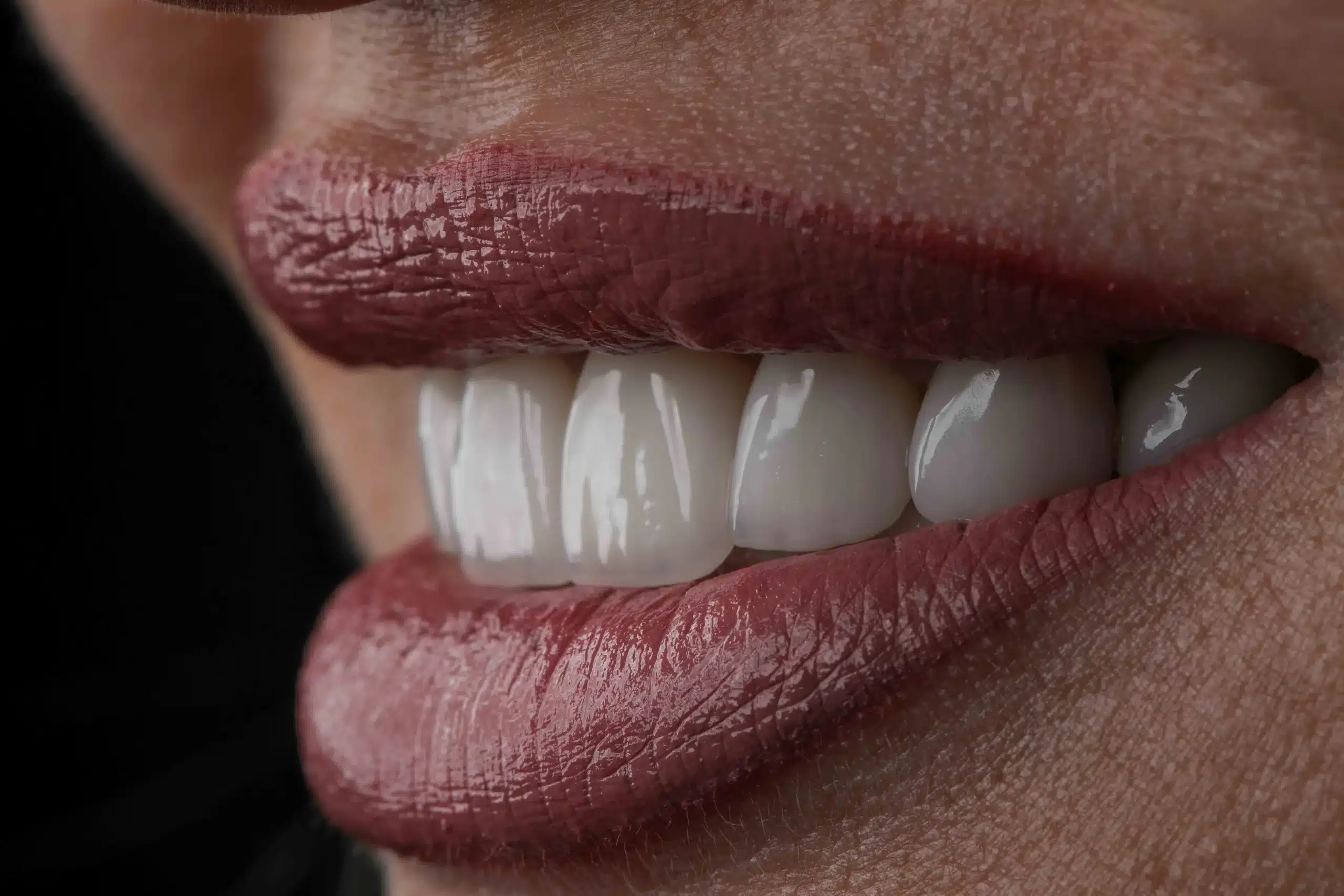
Hollywood Smile in Turkey
Achieve a symmetrical, brilliantly white smile with E-max and zirconia veneers at Istanbul's leading cosmetic dental clinics. Digital Smile Design technology lets you preview your new look before treatment begins.
dental
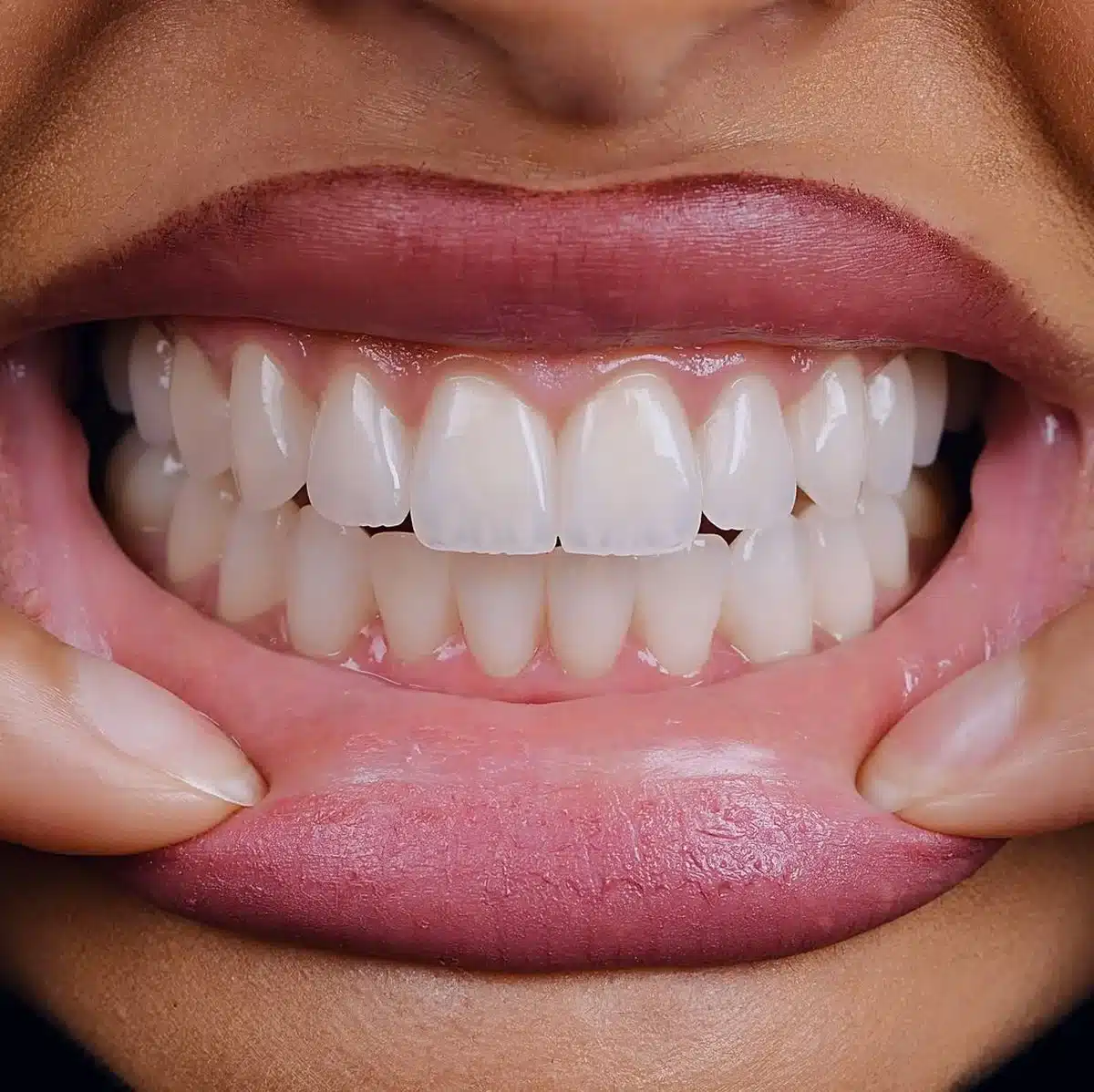
Laminate Veneers in Turkey
Ultra-thin porcelain veneers (as little as 0.2 mm) that require minimal tooth preparation. Preserve more natural enamel while achieving a stunning cosmetic result.
dental
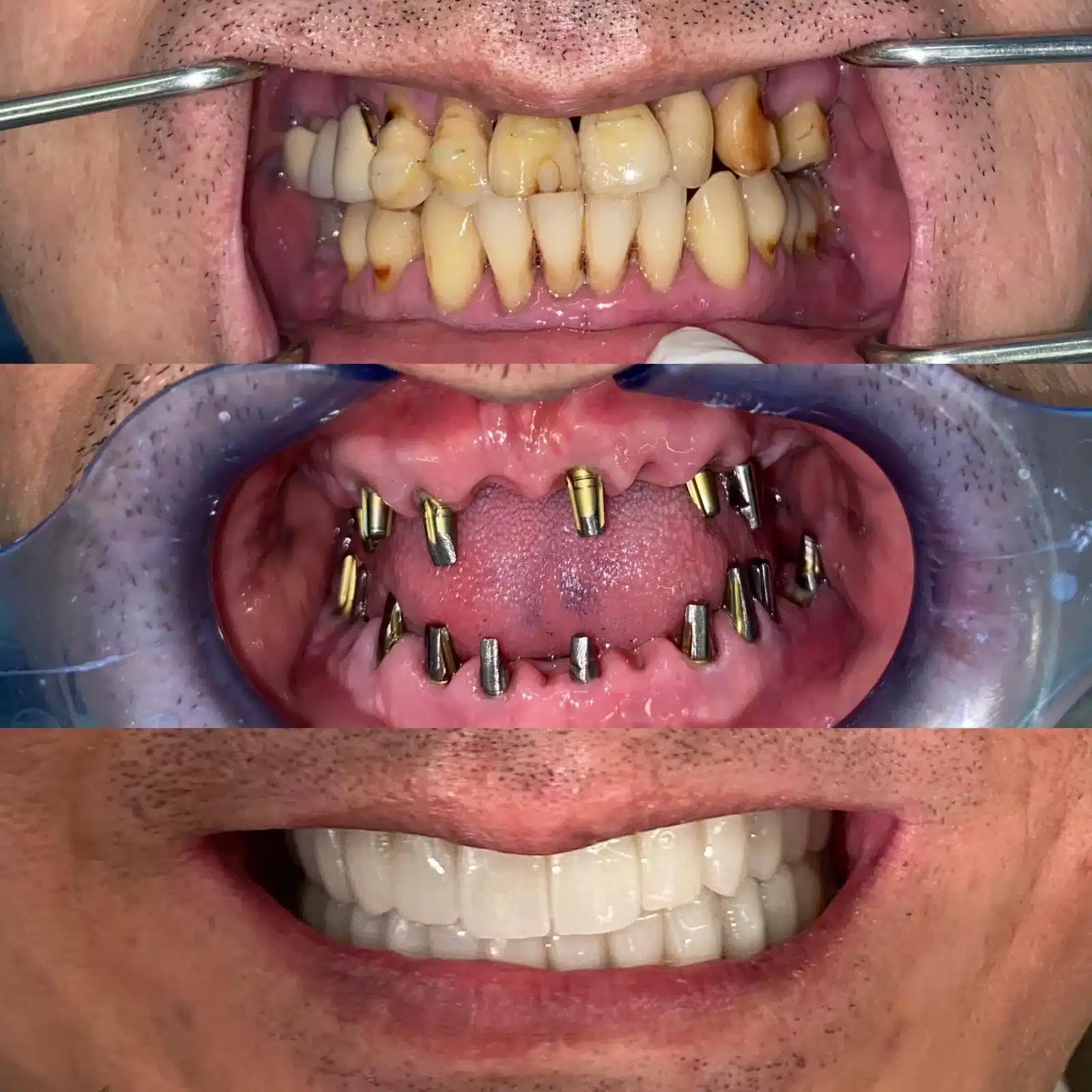
Dental Implants in Turkey
Replace a single tooth or your entire smile with premium dental implants in Istanbul. Same brands as London specialists, a fraction of the cost. 5-day treatment packages. TEMOS-accredited dental clinics.
dental
Dental Crowns in Turkey
Restore damaged, weakened, or aesthetically compromised teeth with zirconia, E-max, or porcelain-fused-to-metal crowns. Same-week treatment at TEMOS-accredited clinics in Istanbul.
Plan the next step clearly
Use this page as a decision-support guide, then move into quote review, treatment comparison, and travel planning with coordinator support.
Decision Context
Patients compare this treatment inside the trip around it
Treatment pages perform better when they acknowledge arrival flow, destination trust, and the recovery rhythm patients are trying to visualise before booking.

The provider decision starts with arrival confidence
Patients compare treatment pages while also asking how first-day logistics, transfers, and scheduling will actually work.

The destination still influences medical trust
A treatment page is stronger when it recognises that the city itself remains part of the decision frame for international patients.

Recovery pacing changes how people evaluate options
Different procedures feel more or less realistic depending on how patients picture the slower hours between appointments.