Medically reviewed by Dt. Tunç Berge, MSc: Esthetic Dentistry & Implantology. Last reviewed June 2026
Teeth Grinding and Bruxism: Causes, Damage and Treatment
- TEMOS-accredited clinics
- JCI-accredited hospitals
- Board-certified surgeons and a licensed clinical team
- 3,000+ international patients treated
A NexWell planning guide to bruxism: teeth grinding and clenching: how sleep and awake bruxism differ, what causes it and how to spot the signs, the damage it does to enamel and restorations, and how night guards, stress management and protective dentistry are usually approached.
Written quote from a NexWell coordinator, usually within 24 hours.
Quick answer
A NexWell planning guide to bruxism: teeth grinding and clenching: how sleep and awake bruxism differ, what causes it and how to spot the signs, the damage it does to enamel and restorations, and how night guards, stress management and protective dentistry are usually approached.
What Is Bruxism? Sleep Grinding vs Awake Clenching
Bruxism is the clinical term for grinding, gnashing or clenching the teeth with force that goes beyond normal chewing. It is common and ranges from a mild, harmless habit to a destructive pattern that wears teeth down and strains the jaw. Crucially, bruxism is not a single condition but two related behaviours that happen at different times of day and often need different management.
Sleep bruxism happens involuntarily during sleep. Because it occurs while you are unconscious, the clenching and grinding forces can be far higher than anything you would apply while awake, and most people have no idea they do it.
The first clues are often indirect: a partner who hears grinding noises at night, waking with a tired or aching jaw, or a dentist noticing flattened, worn tooth surfaces during a routine check. Sleep bruxism is increasingly understood as a sleep-related movement behaviour, and it sometimes travels alongside other sleep issues such as snoring or sleep apnoea.
Awake bruxism is different. It is the daytime habit of clenching the jaw or pressing the teeth together during periods of concentration, stress, frustration or focus. Many people clench while driving in traffic, working at a screen or lifting something heavy, and only notice once the jaw muscles start to ache.
Because awake bruxism is at least partly under conscious control, awareness and habit-breaking play a larger role in managing it than they do for the sleeping form.
Sleep bruxism happens involuntarily during sleep.
Understanding which pattern you have matters, because the protective approach differs. A night guard, for example, is aimed squarely at the involuntary forces of sleep bruxism, whereas awake clenching responds more to awareness, posture and stress techniques. Many people, of course, do both.
Causes and Warning Signs
Bruxism rarely has one single cause. Health authorities describe it as multifactorial: a mix of psychological, biological and lifestyle factors that combine differently in each person. Stress and anxiety are among the most consistently reported triggers, particularly for awake clenching. Sleep-related factors matter too: sleep bruxism is associated with brief arousals during sleep and sometimes with sleep apnoea.
Other contributors that the evidence links to bruxism include certain lifestyle factors such as alcohol, caffeine and smoking; some medications, including certain antidepressants; and individual genetic predisposition.
A misaligned bite, known as malocclusion, was historically blamed as a primary cause, but current thinking treats bite problems as one possible contributing factor among several rather than the main driver. The honest summary is that bruxism is usually a combination of triggers, which is why management tends to address several at once rather than chasing a single cure.
The warning signs are worth knowing because so much grinding goes undetected.
Common indicators include: teeth that look flattened, chipped or worn at the edges; increased tooth sensitivity as enamel thins and exposes the layer beneath; a dull headache starting around the temples; jaw muscles that feel tired or tight in the morning; clicking or discomfort in the jaw joint; and indentations along the side of the tongue.
Some people also notice that a partner hears grinding at night.
None of these signs is proof on its own, and several overlap with other dental and medical conditions. They are reasons to seek a proper assessment, not to self-diagnose. A dentist can examine wear patterns, check the jaw muscles and joints, and rule out other causes before confirming bruxism and discussing what, if anything, needs to be done.
Treatment Plan
Ready for a written Teeth Grinding and Bruxism: Causes, Damage and Treatment quote?
A NexWell coordinator reviews your case and replies with a personalised treatment plan and indicative pricing — usually within 24 hours.
The Damage Bruxism Can Cause
Mild bruxism often causes no lasting harm and may never need treatment. The concern is sustained, forceful grinding over months and years, because the repeated load is far greater than teeth are designed to absorb and the damage accumulates slowly enough to go unnoticed until it is advanced. The table below summarises the main forms of damage clinicians look for.
Area affected
What bruxism can cause
Why it matters
Tooth enamel
Flattening, thinning and progressive wear of the biting surfaces
Once enamel is lost it does not grow back; severe wear can shorten teeth and change the bite
Tooth structure
A cracked or broken tooth, chips and fracture lines
Cracks can deepen over time and may eventually need a crown, a root canal or extraction
Sensitivity
Worn enamel exposing the inner layer, leading to sensitive teeth
Triggers pain with hot, cold or sweet foods and signals that protective enamel is being lost
Jaw and muscles
Muscle fatigue, jaw-joint discomfort and tension headaches
Chronic strain on the jaw joint can affect comfort, chewing and quality of life
Gums and support
Recession and added strain on the tooth-supporting tissues
Grinding can compound existing periodontal disease and gum recession
Existing dental work
Chipped or debonded dental crowns, fractured veneers and overloaded dental implants
Unmanaged grinding is a recognised risk to restorations and is addressed in their treatment planning
The most important takeaway is that bruxism is progressive when left unmanaged. A tooth that is merely sensitive today can become a cracked tooth tomorrow; enamel wear that looks cosmetic can eventually expose nerves or alter how the teeth meet. None of this is a reason to panic, many cases are mild and stable, but it is the reason dentists take grinding seriously when restorations or significant wear are involved.
How Bruxism Is Treated and Managed
There is no single cure for bruxism, and that is an honest starting point. The realistic goal of treatment is to protect the teeth from damage and relieve symptoms while reducing the triggers where possible. Most plans combine a physical barrier to absorb the grinding forces with measures aimed at the underlying causes.
The most widely used protection is a custom night guard, also called an occlusal splint, a hard, precisely fitted device worn over the teeth during sleep. Its main, evidence-supported role is to absorb and redistribute grinding forces so they wear the guard rather than the teeth.
It is worth being precise about what the evidence shows: systematic reviews, including Cochrane work, find that splints may help limit tooth wear but do not reliably stop the grinding behaviour itself. A guard protects teeth; it does not cure bruxism. Custom-made guards generally fit better and last longer than boil-and-bite versions from a pharmacy.
Because stress and anxiety are common triggers, stress-management measures form the second pillar: relaxation techniques, improving sleep habits, reducing caffeine and alcohol in the evening, and addressing the daytime clenching habit through awareness.
For severe cases where the jaw muscles are very overactive, some clinicians use botulinum toxin (Botox) injections into the chewing muscles to reduce the force of clenching; this is a medical intervention with temporary effects that should be discussed with a qualified clinician, and it manages symptoms rather than curing the condition.
Where a sleep disorder such as apnoea is suspected, referral for sleep assessment may be advised.
A separate question is repairing damage that has already happened.
Worn, chipped or cracked teeth may be restored with dental bonding, crowns made from stronger materials such as zirconia, or veneers, and in significant cases the bite itself may be rebuilt, but reputable clinicians stress that restoring damaged teeth without first controlling the grinding risks the same damage recurring.
Protection and habit change usually come before, or alongside, any cosmetic rebuild rather than instead of it.
Bruxism and Restorations: Crowns, Veneers and Implants
If you have had, or are planning, significant dental work, bruxism is one of the most important factors to discuss with your dentist, because unmanaged grinding is a recognised risk to almost every type of restoration. The forces involved can chip porcelain, debond cosmetic work and place repeated strain on implants, which is why a thorough clinician asks about grinding before, not after, treatment.
For veneers, the thin porcelain or composite shells are bonded to the front of the teeth for appearance, and they are not designed to withstand heavy grinding loads. In a patient with active bruxism, veneers carry a higher risk of chipping or fracturing, which is why many clinicians insist on a night guard as part of the plan.
For dental crowns, the choice of material matters: stronger materials such as zirconia are often preferred for patients who grind, but no crown is indestructible under sustained clenching.
Dental implants deserve particular attention. Unlike a natural tooth, an implant has no periodontal ligament: the tiny shock-absorbing cushion that lets a real tooth flex slightly under load, so grinding forces transmit more directly to the implant and the surrounding bone.
Uncontrolled bruxism is therefore considered a risk factor for mechanical complications such as loosened or fractured components and, in some cases, for the long-term stability of the implant.
This does not mean people who grind cannot have implants; it means the grinding must be managed, usually with a protective night guard, as part of responsible planning and ongoing implant aftercare.
The consistent principle across crowns, veneers and implants is simple: control the bruxism first, protect the restoration, and choose materials and designs with the grinding in mind. A clinic that takes a full history, asks about grinding and plans protection into the treatment is following good practice.
One that promises a flawless cosmetic result without ever raising the subject of bruxism is leaving out a question that materially affects how long that work will last.
Vetted partner network
NexWell coordinates with TEMOS-accredited clinics or Ministry of Health–licensed facilities in Turkey.
Board-certified review
Content reviewed by Dt. Tunç Berge — Turkish Dental Association (TDB).
No obligation
Get your Teeth Grinding and Bruxism: Causes, Damage and Treatment plan
Send your case and a coordinator returns a written plan and an indicative quote — usually within a day.
Questions Patients Ask Before They Commit
Related reading
Treatment Guide
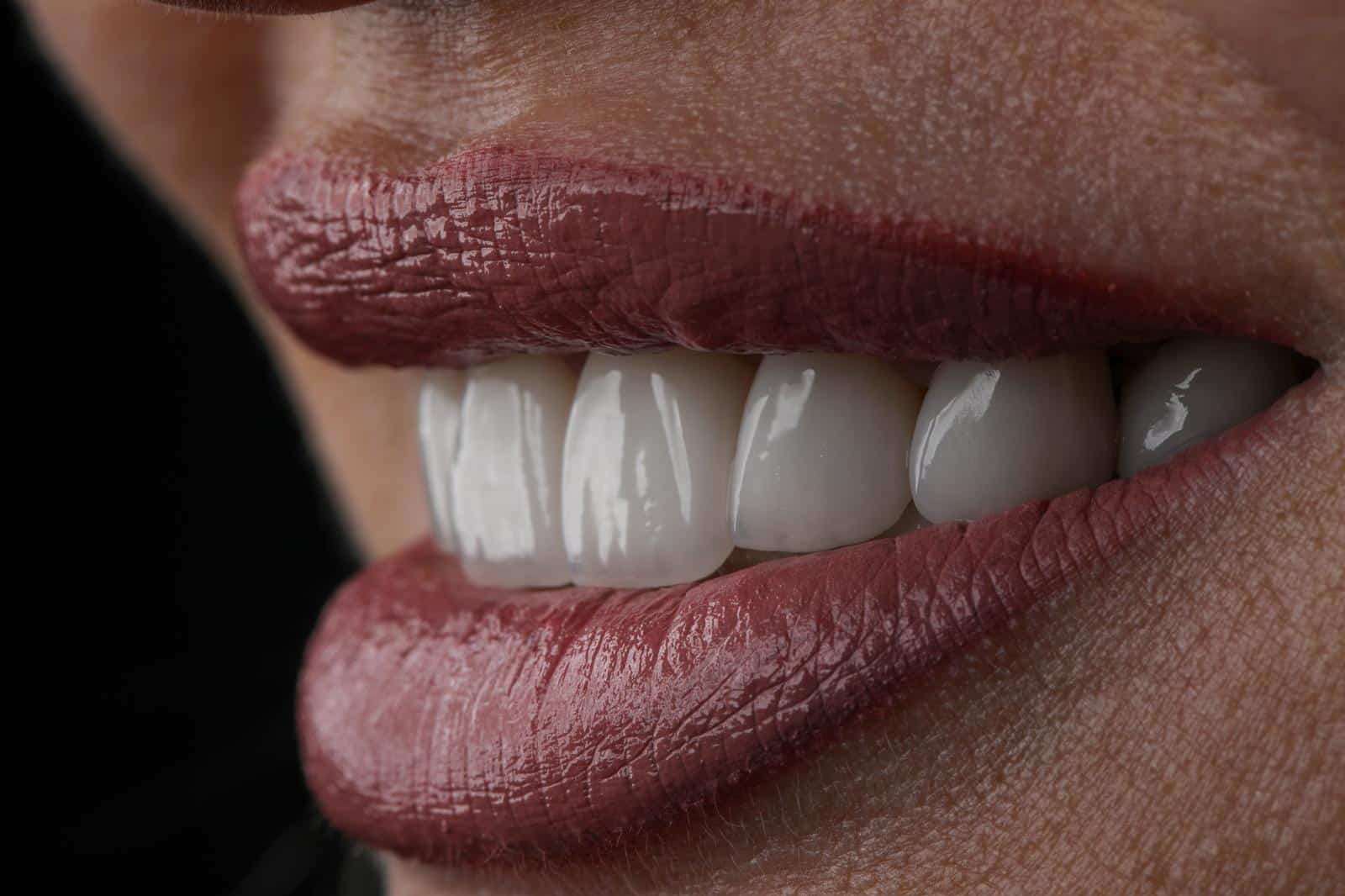
Cracked or Broken Tooth: Your Treatment Options
The five types of tooth crack and which treatment fits each — bonding, crown, root canal or extraction and implant.
dental
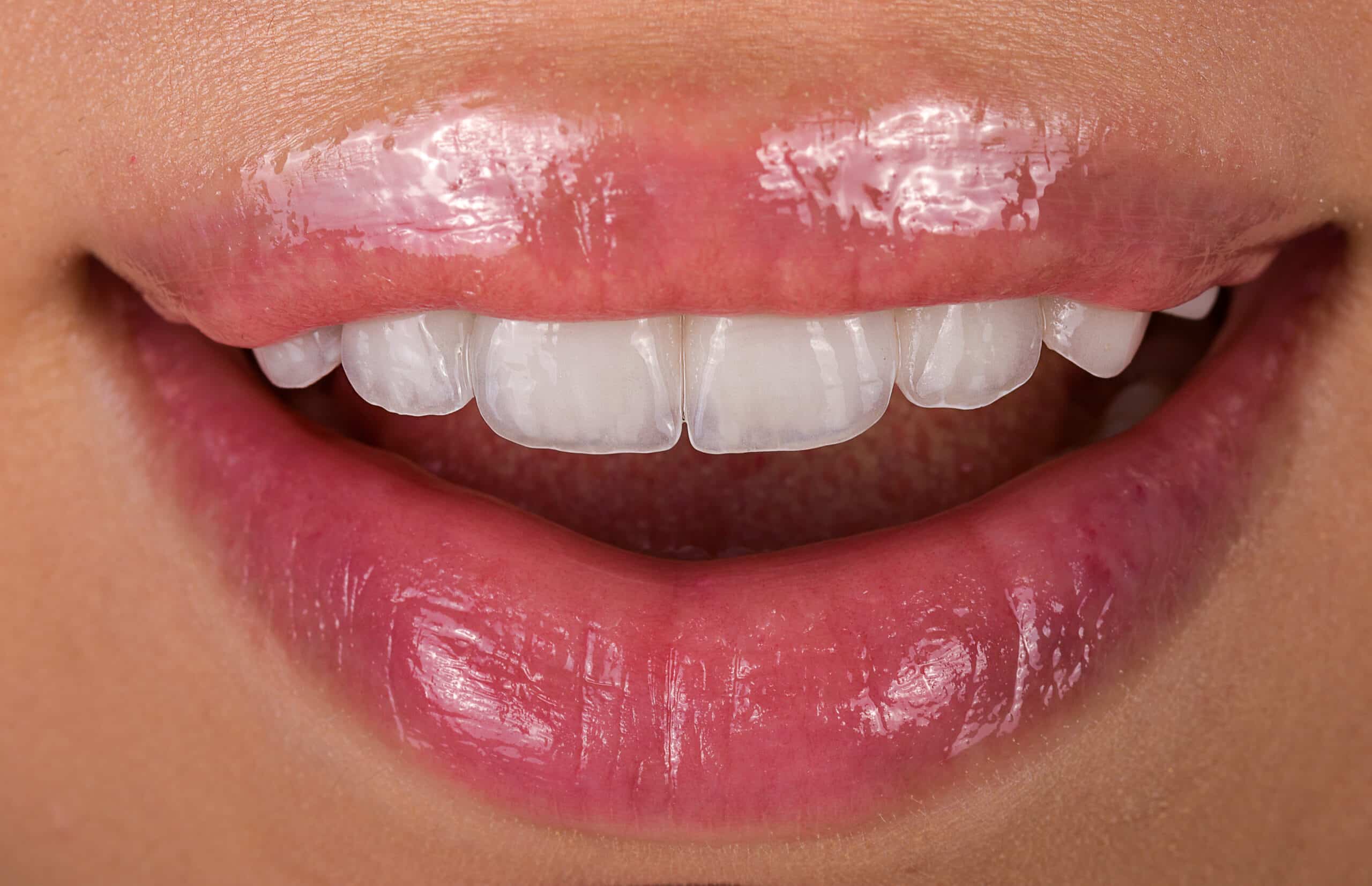
Dental Crowns in Turkey
Restore damaged, weakened, or aesthetically compromised teeth with zirconia, E-max, or porcelain-fused-to-metal crowns. Same-week treatment at TEMOS-accredited clinics in Istanbul.
Treatment Guide
Types of Malocclusion: Overbite, Underbite, Crossbite and Crowding
What overbite, underbite, crossbite, open bite, crowding and diastema mean, and how aligners, braces and surgery address them.
dental
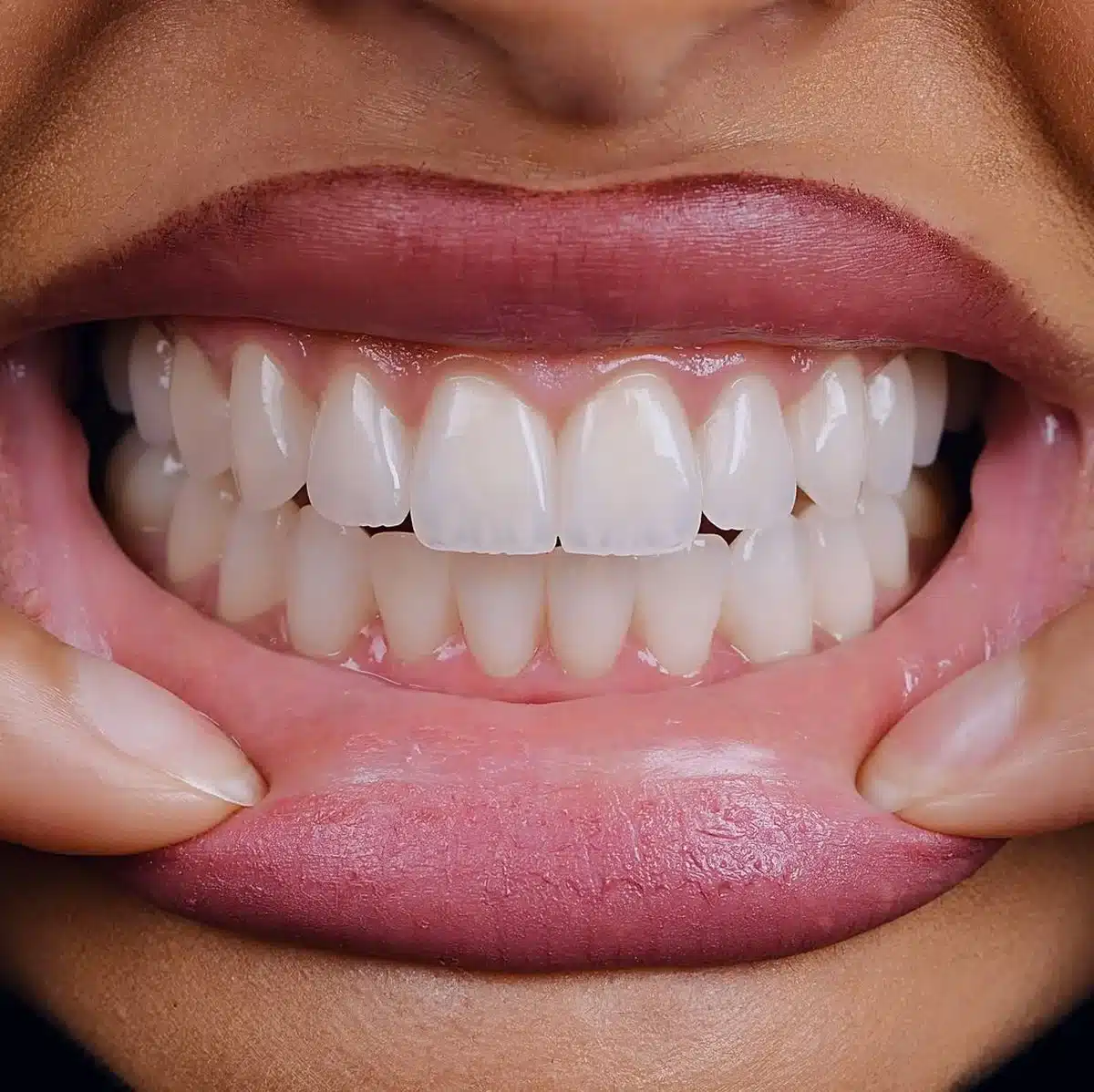
Laminate Veneers in Turkey
Ultra-thin porcelain veneers (as little as 0.2 mm) that require minimal tooth preparation. Preserve more natural enamel while achieving a stunning cosmetic result.
Plan the next step clearly
Use this page as a decision-support guide, then move into quote review, treatment comparison, and travel planning with coordinator support.
Decision Context
Patients compare this treatment inside the trip around it
Treatment pages perform better when they acknowledge arrival flow, destination trust, and the recovery rhythm patients are trying to visualise before booking.

The provider decision starts with arrival confidence
Patients compare treatment pages while also asking how first-day logistics, transfers, and scheduling will actually work.

The destination still influences medical trust
A treatment page is stronger when it recognises that the city itself remains part of the decision frame for international patients.

Recovery pacing changes how people evaluate options
Different procedures feel more or less realistic depending on how patients picture the slower hours between appointments.
References
- ADA MouthHealthy: Teeth Grinding (Bruxism)
- National Institute of Dental and Craniofacial Research (NIDCR/NIH): Bruxism
- Cochrane: Occlusal Splints for Treating Sleep Bruxism (Tooth Grinding)
- Comparative Analysis of Different Types of Occlusal Splints for the Management of Sleep Bruxism: A Systematic Review (BMC Oral Health, PMC)