Lower Body Lift in Turkey
Lower body lift surgery has become one of the most significant reconstructive procedures for individuals who have undergone major weight loss—whether through bariatric surgery, GLP-1 medications, or sustained lifestyle change.
- JCI-accredited hospitals
- TEMOS-accredited clinics
- Board-certified surgeons and a licensed clinical team
- 3,000+ international patients treated
- 5-star chain hotel accommodation
- VIP airport transfers
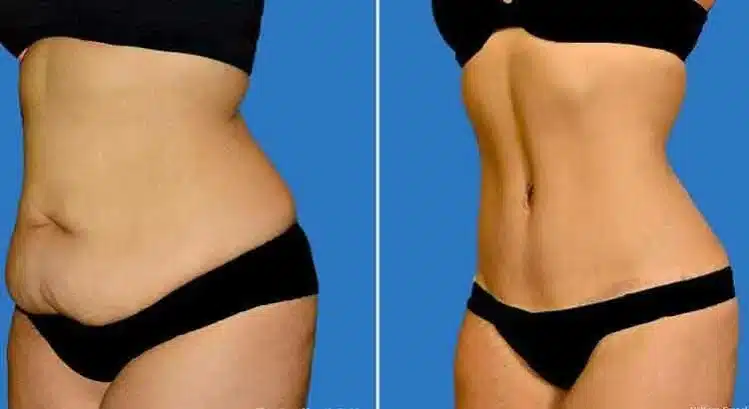
Quick answer
Lower body lift surgery has become one of the most significant reconstructive procedures for individuals who have undergone major weight loss—whether through bariatric surgery, GLP-1 medications, or sustained lifestyle change.
Modern Purpose of Lower Body Lift Surgery After Major Weight Loss
Lower body lift surgery has become one of the most significant reconstructive procedures for individuals who have undergone major weight loss—whether through bariatric surgery, GLP-1 medications, or sustained lifestyle change. Unlike isolated tummy tucks or liposuction, the lower body lift addresses circumferential laxity around the abdomen, waist, lower back, buttocks, and lateral thighs.
This 360-degree approach restores structural balance, improves function, and redefines the body's silhouette in a way no other single procedure can achieve.

Why Lower Body Laxity Develops After Weight Loss
Human skin adapts to growing volume by stretching its collagen and elastin fibers over time. When weight is lost—especially rapidly—these fibers cannot contract back to their original state. Years of mechanical load weaken the dermal infrastructure, causing:
- hanging skin across the lower abdomen,
- flattening or drooping of the buttocks,
- wrinkling across the lower back,
- softened lateral thigh transitions,
- loss of waist contour.
Even individuals who maintain excellent fitness and muscle tone cannot correct these changes through exercise alone. The issue is architectural, not behavioral.
Patients researching comprehensive solutions often begin with broader educational resources such as:
- Aesthetic surgery in Turkey
Lower body lift surgery becomes a critical reconstructive intervention for those seeking a balanced, functional, and aesthetically cohesive silhouette.

A Rapid Transformation With Unique Challenges
GLP-1 medications, now widely used for metabolic control and weight loss, often produce swift reductions in fat volume. This rapid change leaves the skin with insufficient time to remodel, resulting in:
- regional deflation patterns,
- sagging across the waist and flanks,
- downward migration of the buttocks,
- creasing along the lower torso.
These patients frequently report that clothing fits awkwardly and the contour changes feel disproportionate. While GLP-1 therapy enhances metabolic health , it also creates a new patient group in need of reconstructive solutions formerly associated only with bariatric surgery.

Bariatric Patients and Circumferential Redundancy
Individuals who lose 40–60% of their total body weight often experience circumferential laxity that affects nearly every region of the lower torso. This results in:
- an abdominal apron extending around the hips,
- sagging lateral thighs,
- collapsed waist definition,
- lower back skin redundancy,
- reduced buttock projection.
For these patients, lower body lift surgery is typically the foundational stage in a multi-step reconstructive plan.
The Functional and Emotional Impact of Lower Body Redundancy
Excess skin is not merely a cosmetic concern—it often affects daily movement and emotional wellbeing. Patients commonly report:
- friction and chafing during walking or exercise,
- recurrent irritation or fungal infections in folds,
- difficulty maintaining posture,
- challenges in finding clothes that fit properly,
- self-consciousness during intimacy or social activities.
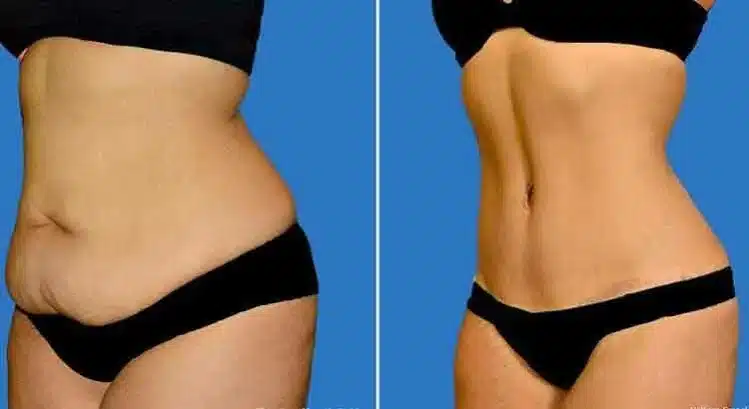
Lower body lift surgery restores comfort, improves hygiene, and supports long-term physical activity, making it a reconstructive necessity for many.
Why Turkey is a Global Hub for Lower Body Lift Surgery?
Turkey’s exceptional expertise in massive-weight-loss reconstruction stems from:
- extremely high surgical volume,
- internationally trained surgeons with advanced reconstructive skill,
- modern hospital facilities with accredited safety standards,
- integrated medical tourism services,
- significantly more accessible pricing compared to Western countries.
Patients exploring why Turkey is uniquely positioned in this field often reference:
- Why Turkey is a global leader in aesthetic and plastic surgery
A Milestone in Completing the Weight-Loss Journey
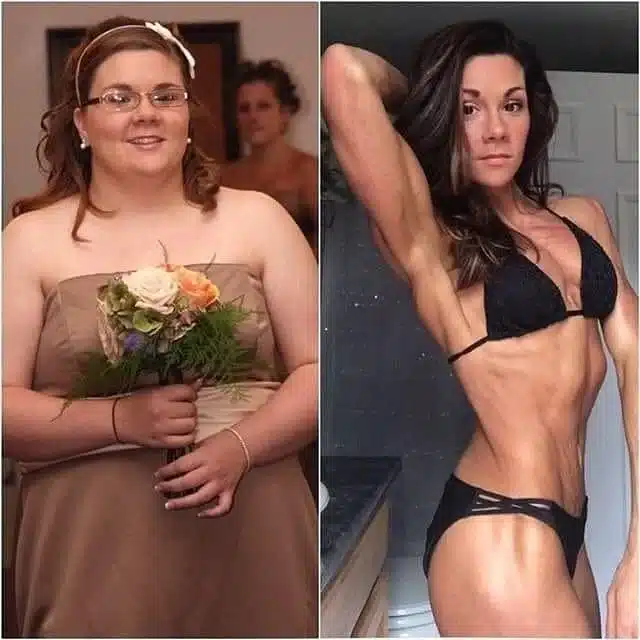
For many patients, lower body lift surgery represents the moment of alignment between the body they worked to achieve and the silhouette they live in every day. It restores proportion, structure, mobility, and confidence—allowing individuals to fully embrace their transformation and move past the physical reminders of their former weight.

Psychological, Social & Cultural Dimensions of Lower Body Lift Surgery
While the lower body lift is a reconstructive procedure rooted in anatomy and surgical precision, its impact extends far beyond the physical. For many patients, especially those who have lived with obesity or rapid GLP-1–induced weight loss, the lower torso becomes an emotional landscape—holding memories, insecurities, and the visible remnants of a former life.
Understanding the psychological and cultural dimensions of this transformation is essential for delivering patient-centered care.
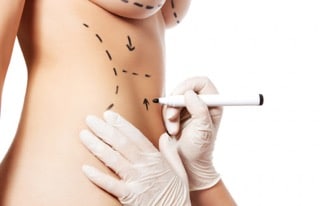
When Body Image Does Not Match the New Reality
After major weight loss, patients often report feeling like they are living between two identities: the person they worked to become and the person their skin still reflects. This disconnect can create:
- frustration when clothing fits in some areas but gathers in others,
- embarrassment when skin movement is noticeable during exercise,
- reluctance to swim, travel, or wear fitted clothing,
- a sense of incompletion despite achieving weight-loss goals.
Many describe looking in the mirror and seeing not their success but the physical reminders of their past. Lower body lift surgery helps realign external appearance with internal progress.
Cultural Expectations and the "Transformation Narrative"
Society often portrays weight loss as a complete and final success story—but this narrative typically ends at the scale. The reality is far more complex. In many cultures, including Western and Middle Eastern societies, the waistline and lower torso are strongly associated with femininity, masculinity, and vitality.
When sagging skin remains in these areas, patients may feel:
- pressure to "finish" their transformation,
- confusion about why their efforts didn’t produce a sculpted appearance,
- frustration that others do not recognize the medical reality of skin elasticity.
Lower body lift surgery helps close this narrative gap by restoring proportion and comfort.
Intimacy, Vulnerability, and Body Confidence
Lower body redundancy affects intimacy in profound ways. Patients may avoid touching, undressing, or being seen from behind due to:
- loose buttock skin,
- wrinkling along the lower back,
- asymmetry in the hips or flanks.
After surgery, many describe a renewal of confidence, trust, and emotional closeness—proof that reconstructive procedures can have far-reaching benefits beyond aesthetics.
Why Many Patients Travel to Turkey for This Stage of Their Journey?
Lower body lift patients often require not only surgical expertise but emotional reassurance and continuity of care. Turkey provides:
- surgeons experienced with massive-weight-loss cases,
- compassionate patient communication,
- structured medical travel support,
- cost accessibility that makes completion of the transformation achievable.
Patients exploring the broader value of treatment abroad often reference:
- Why Turkey is a global leader in aesthetic and plastic surgery
A Psychological Milestone in Reclaiming Identity
Lower body lift surgery often becomes the moment patients finally see their internal identity reflected externally. It restores not only contour but a sense of belonging in one’s own body—a step that transforms confidence, social participation, and emotional wellbeing.
Treatment Pathways: 360° Techniques, Surgical Variations & Limitations of Non‑Surgical Methods
Lower body lift surgery is one of the most technically complex procedures in post–weight loss reconstruction. It requires precise planning, deep understanding of circumferential anatomy, and a tailored approach that considers each patient’s weight‑loss history, skin quality, and functional needs.
This section outlines the full spectrum of techniques—from conservative options to advanced surgical solutions—and explains why certain methods are essential for long‑term, harmonious outcomes.
Why Non‑Surgical Tightening Cannot Replace a Lower Body Lift
Many patients begin by exploring non‑invasive methods, including radiofrequency devices, ultrasound tightening, collagen stimulators, and skin‑firming treatments. While these technologies offer mild improvements in superficial firmness, they cannot correct true skin redundancy.
Once the dermal matrix has been overstretched or damaged over years of weight gain:
- elastin fibers lose recoil capacity,
- collagen bundles weaken and flatten,
- the extracellular matrix breaks down,
- gravity reinforces laxity over time.
Even the most advanced tightening devices cannot:
- remove an abdominal apron,
- lift the buttocks,
- eliminate back folds,
- smooth lateral thigh descent.
For patients who have lost significant weight or experienced GLP‑1 induced deflation, only surgical excision provides a meaningful and lasting improvement.
Understanding the 360° Lower Body Lift: The Foundation of Contouring
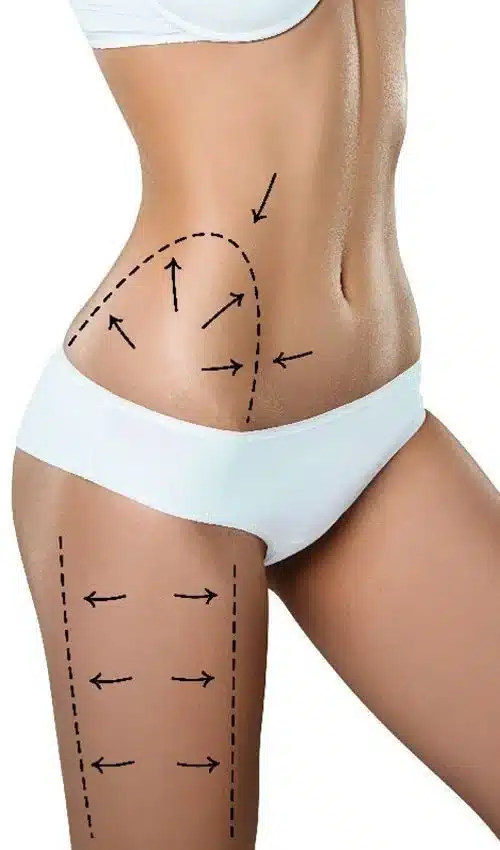
The hallmark of modern lower body lift surgery is its circumferential approach . Instead of treating regions individually, surgeons perform a continuous correction around the torso, ensuring anatomical balance and proportional harmony.
A 360° lower body lift typically addresses:
- Abdomen : Removal of redundant skin, optional muscle tightening.
- Waist & Flanks: Redefinition of the waistline, smoothing transitions into the hips.
- Lower Back: Correction of folds and restoration of posterior contour.
- Buttocks: Lifting and reshaping to improve projection and curvature.
- Lateral Thighs: Elevation to smooth outer thigh descent.
This combination creates the structural foundation for all further reconstruction.
Surgical Variations Within the Lower Body Lift
Depending on the distribution of excess skin and the patient’s transformation goals, surgeons select from several technique variations.
This is the most common technique and involves removing a horizontal strip of skin and fat around the midsection. It is ideal for patients with:
- global laxity,
- flattened buttocks,
- sagging flanks,
- lower back folds.
The incision runs around the torso like a belt—hidden within underwear or swimwear lines.
For patients with extreme laxity, especially after bariatric surgery, a fleur‑de‑lis extension may be used to correct significant midline redundancy. This adds vertical tightening to the standard circumferential lift.
It is most appropriate when:
- abdominal laxity is severe,
- central folds cannot be removed horizontally,
- waist refinement requires vertical correction.
Rather than relying on implants or fat transfer—both less predictable after weight loss—surgeons use the patient’s own tissue to elevate and reshape the buttocks.
Benefits include:
- improved projection,
- greater longevity of results,
- natural curvature,
- reduced risk of fat absorption irregularities.
Many patients experience drooping of the lateral thighs after weight loss. Lower body lift surgery lifts and stabilizes these structures by anchoring them to more stable anatomical planes.
This improves:
- hip‑to‑thigh contour,
- athletic mobility,
- clothing fit.
GLP‑1 vs Bariatric Patients: Different Anatomical Needs
Not all lower body lift patients are the same.
GLP‑1 patients typically experience:
- regional laxity around the waistline,
- buttock deflation,
- lower back softening,
- faster weight‑loss timelines.
Their procedures often focus on definition and proportional refinement.
Bariatric patients commonly present with:
- severe circumferential redundancy,
- collapsed buttock projection,
- heavy abdominal aprons,
- significant lateral thigh descent.
These patients often require more extensive tissue removal and may need staged reconstruction.
Staging vs Single‑Session Reconstruction: Safety Comes First
A full 360° body lift is already a major operation. When patients require additional procedures—such as breast lift, arm lift, or thigh lift—staging becomes essential.
Attempting too much at once increases risks like:
- prolonged anesthesia time,
- wound dehiscence,
- seroma formation,
- venous thromboembolism.
Staged planning is not a limitation—it is a safety principle used by every reputable reconstructive surgeon.
Patients evaluating their options often explore complete treatment frameworks such as:
- Body lift surgery in Turkey
Why 360° Techniques Provide the Most Natural Outcomes
Isolated procedures can produce isolated results. A circumferential lower body lift, by contrast, creates continuity and symmetry across the torso. The body looks cohesive from every angle—not improved in one region and weakened in another.
It is the difference between reshaping a single curve and redesigning an entire contour.
Clinical Decision-Making Framework: Candidacy, Safety & Anatomical Mapping
Lower body lift surgery is not a one-size-fits-all procedure. It is a sophisticated reconstructive operation that requires evaluating each patient’s anatomy, weight-loss history, skin behavior, metabolic profile, and overall health. Surgeons must determine not only who is an appropriate candidate, but what technique , in what sequence , and under which safety conditions the surgery should be performed.
This decision-making process is central to surgical success.
Determining Candidacy for Lower Body Lift Surgery
A safe and effective reconstructive plan begins with verifying that the patient meets the core requirements:
- Stable weight for at least 3–6 months : Fluctuations increase incision tension and complication risks.
- BMI ideally below 30–32 : Higher BMI can impair healing, though exceptions exist depending on body composition.
- Nutritional optimization : Adequate protein (generally 1.2–1.5 g/kg/day), normal ferritin, albumin, and vitamin D levels.
- Nicotine cessation : Nicotine significantly reduces microvascular blood flow.
- Well-controlled medical conditions : Thyroid disorders, diabetes, anemia, and hypertension require stabilization.
- Emotional readiness : Patients must understand the recovery timeline, scars, and staged approach when necessary.
Educational resources such as Aesthetic surgery in Turkey can help prepare patients for candidacy discussions.
Skin Quality: The Most Important Predictor of Technique
Lower body lift planning begins with an assessment of skin characteristics:
- dermal thickness,
- elasticity and recoil potential,
- degree of stretch-marking,
- distribution of residual fat,
- presence of prior scars,
- asymmetry patterns.
Thin, heavily stretched, or striae-covered skin typically requires more extensive excision, while patients with thicker dermis may benefit from shorter incisions and smoother tension distribution.
Anatomical Mapping: Understanding the 360° Relationship of Lower Body Structures
Because the lower body lift is circumferential, manipulating one region changes the contour of another. Surgeons evaluate the body as an interconnected system:
- Elevating the posterior flap lifts the buttocks.
- Tightening the lateral thigh influences hip curvature.
- Flank correction adjusts waist definition.
- Lower back excision affects buttock projection.
- Abdominal contouring shifts tension across the pelvis.
This holistic analysis prevents disharmony and creates a natural, cohesive transition across all lower torso regions.
Technique Selection: Matching Anatomy to the Right Surgical Approach
Each patient presents a unique constellation of laxity patterns. Technique selection may involve:
Ideal for:
- moderate to severe circumferential redundancy,
- flat or deflated buttocks requiring elevation,
- lateral thigh descent.
Used when:
- midline abdominal laxity is pronounced,
- horizontal excision alone cannot tighten the central abdomen,
- additional waist narrowing is needed.
Preferred for patients with loss of gluteal projection. Surgeons reshape and reposition the patient's own tissue instead of relying on implants or fat transfer.
Recommended when the thighs show significant vertical descent. Proper suspension improves mobility and enhances hip-to-thigh transition.
Safety Protocols: Foundations of Modern Lower Body Lift Surgery
Safety begins long before the first incision. Leading reconstructive surgeons in Turkey employ protocols such as:
- comprehensive preoperative blood work,
- thrombosis-risk scoring systems,
- DVT prophylaxis when indicated,
- cessation of GLP-1 medications prior to anesthesia if required,
- enhanced recovery pathways,
- multimodal pain control to reduce opioid use.
These precautions significantly reduce complications like seroma, wound dehiscence, infection, and delayed healing.
Staging Decisions: When a Single Session Is Not Advisable
A circumferential lower body lift is extensive but safe when performed alone. However, adding additional regions—breast, arms, or medial thighs—may exceed safe operative time. Staging is recommended when:
- total estimated operation time exceeds safe anesthesia thresholds,
- patient comorbidities increase surgical risk,
- tissue tension patterns require sequential correction.
Staging is not a compromise; it is a strategy that prioritizes long-term aesthetic and functional outcomes.
The next section addresses the full international patient experience—from pre-arrival planning to long-term healing—and provides a cost comparison between Turkey and global markets.
International Patient Journey, Cost Transparency & Long-Term Outcomes
Lower body lift surgery is both a reconstructive milestone and an emotional turning point for patients who have undergone major weight loss. For international patients traveling to Turkey, the experience extends far beyond the operating room. It involves structured preparation, a coordinated care pathway, and long-term follow-up designed to ensure safety, comfort, and sustainable results.
This section outlines each stage of the journey, from pre‑arrival planning to the final stages of healing.
Pre‑Arrival Preparation: Setting a Safe and Predictable Path
The international patient pathway begins weeks before arrival in Turkey. NexWell’s coordinated system ensures that every step is medically optimized and stress‑free.
1. Medical & Photographic Evaluation Patients submit medical history, GLP‑1 or bariatric details, and standardized photos. Surgeons assess:
- candidacy based on skin redundancy patterns,
- whether a horizontal or combined vertical technique is needed,
- expected tension vectors around the lower torso,
- whether staging is required due to comorbidities.
2. Weight Stability & Nutritional Optimization Stable weight is essential for predictable healing. Patients receive guidance on:
- protein intake,
- hydration,
- ferritin and vitamin D correction,
- stopping nicotine,
- adjusting GLP‑1 medication when appropriate.
3. Travel & Surgical Planning Once cleared, patients receive:
- a personalized surgical plan,
- garment requirements,
- expected downtime,
- postoperative mobility instructions.
Arrival in Turkey: A Coordinated, Clinical Experience
International patients benefit from Turkey’s highly structured medical tourism infrastructure. The process typically includes:
- airport pickup and hotel transfer,
- preoperative consultation and final markings,
- anesthesiology evaluation,
- detailed briefing on mobility, wound care, and garment use.
Turkey’s accredited hospitals offer modern operating theaters, dedicated nursing teams, and enhanced recovery protocols—critical for extensive procedures like a 360° lower body lift.
Cost Comparison: Turkey vs USA & Europe
Lower body lift surgery varies in price internationally due to labor costs, hospital fees, and insurance limitations. The table below reflects common 2025 market averages for comprehensive packages.
Patients researching affordability often reference comparative content such as:
- Turkey save you thousands
Postoperative Recovery & Mobility Timeline
Healing after a lower body lift occurs in structured phases.
Week 1
- assisted mobility,
- drain monitoring,
- controlled walking to prevent thrombosis,
- care with flexed posture to reduce tension.
Weeks 2–4
- gradual straightening of posture,
- return to light daily activities,
- reduced swelling,
- early contour visibility.
Months 2–3
- major swelling resolution,
- increased mobility,
- return to low‑intensity exercise.
Months 6–12
- final contour stabilization,
- scar maturation,
- improved waist curvature and buttock projection.
Long‑Term Outcomes: Stability, Proportion & Confidence
Most patients describe lower body lift surgery as the moment they finally feel the body they worked so hard to achieve.
Long‑term benefits include:
- improved hip‑to‑waist ratio,
- smoother lateral thigh transitions,
- lifted and reshaped buttocks,
- improved posture and gait,
- stronger emotional and physical confidence.
For many, the operation marks the completion of their transformation—a reclaiming of both identity and comfort.
Expert Insights
Lower body lift surgery refines the architecture of the lower torso in ways that cannot be achieved through exercise or non‑surgical methods. By restoring structural balance and enhancing function, the procedure becomes a defining milestone in massive weight‑loss recovery. Turkey’s advanced reconstructive expertise and integrated care pathways make it one of the safest and most accessible destinations worldwide.
Transform Your Body in Istanbul — From €3,600 All-Inclusive
Tummy tuck, body lift, liposuction and mommy makeover at accredited hospitals. Expert plastic surgeons, 5-night Istanbul package, 12-month aftercare. Save thousands vs UK prices.
No obligation
Get your treatment plan
Send your case and a coordinator returns a written plan and an indicative quote — usually within a day.
Related reading
aesthetic-surgery
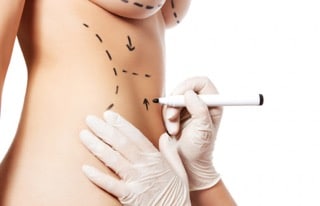
Body Lift in Turkey
Turkey has become a leading destination for lower, upper, and full body lift surgery for patients after major weight loss, pregnancy, or severe skin laxity. Surgeons at NexWell's contracted clinics combine reconstructive planning with advanced contouring at significantly lower cost than the UK or USA.
bariatric
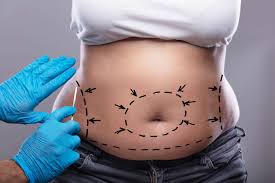
Gastric Sleeve Surgery in Turkey
Sleeve gastrectomy is the world's most performed bariatric procedure. Turkey has become the global hub for weight loss surgery — performing thousands annually at a fraction of Western prices.

plastic-surgery
Excess Skin Removal After Weight Loss: What Patients Should Plan For
A planning guide to excess skin removal after major weight loss, including common surgery stages, realistic recovery expectations, and how to prioritize body areas.

medical-tourism
Medical Tourism Safety Checklist Turkey: What to Verify Before Booking
A practical pre-booking checklist for treatment in Turkey, covering provider verification, hospital standards, quote scope, consent quality, recovery logistics, and complication planning.
plastic-surgery
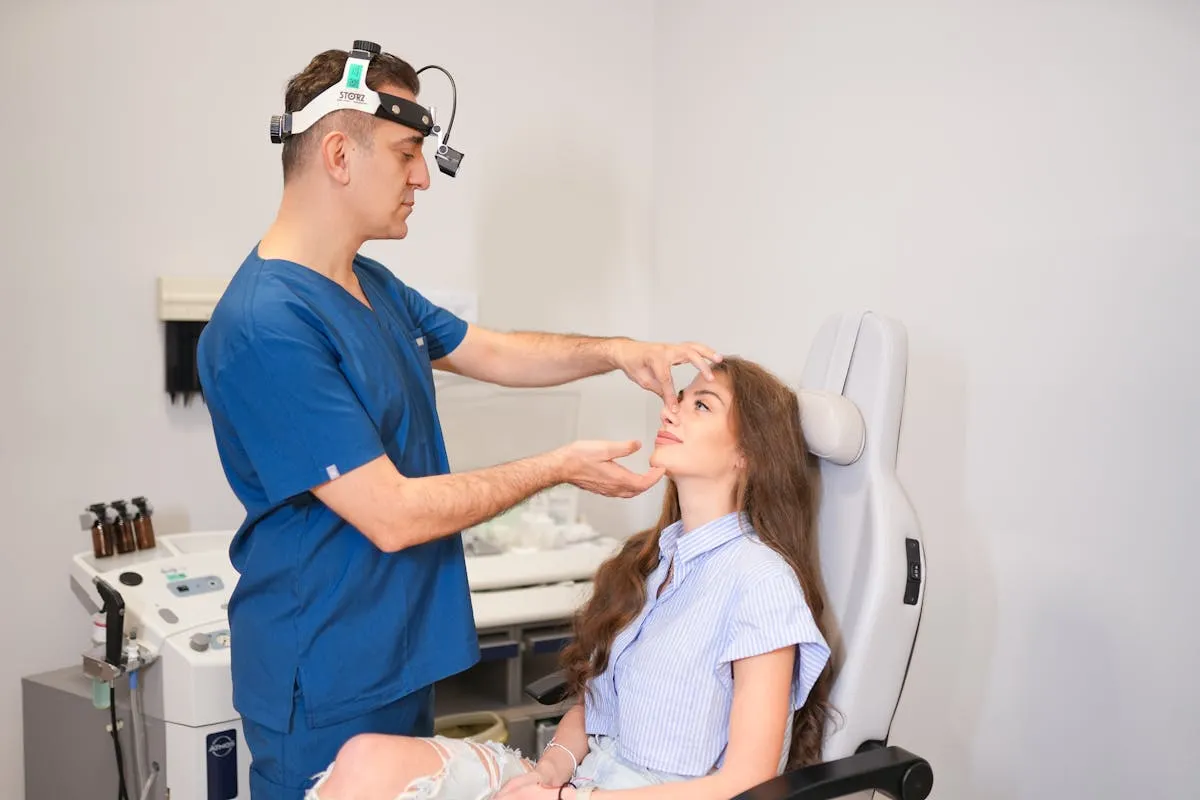
Rhinoplasty Turkey Cost 2026: Open, Closed & Revision Prices
A buyer-focused cost guide for rhinoplasty in Turkey, covering open, closed and revision pricing with package evaluation criteria.
medical-tourism
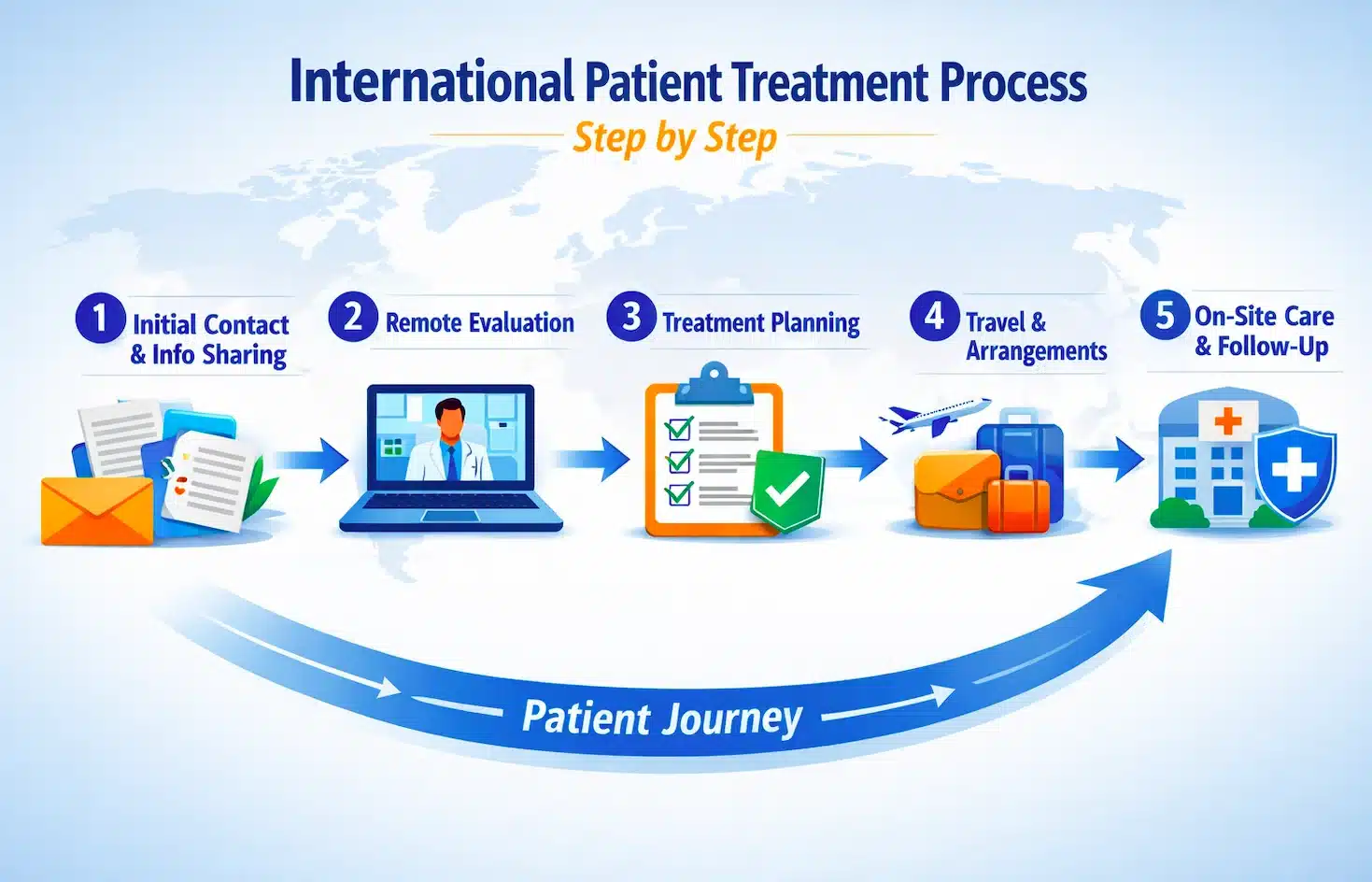
International Patient Treatment Process: From Inquiry to Follow-Up
A full-process guide showing how international treatment journeys should work from first inquiry to quote, travel, treatment, recovery, and aftercare.
Plan the next step clearly
Use this page as a decision-support guide, then move into quote review, treatment comparison, and travel planning with coordinator support.