Medically reviewed by Dt. Tunç Berge, MSc: Esthetic Dentistry & Implantology. Last reviewed June 2026
Tooth Decay and Cavities: Causes, Stages and Treatment
- TEMOS-accredited clinics
- JCI-accredited hospitals
- Board-certified surgeons and a licensed clinical team
- 3,000+ international patients treated
A NexWell explainer on tooth decay and cavities: how plaque, acid and sugar demineralise enamel, the five stages from a white-spot lesion to an abscess, how treatment changes at each stage from fluoride to fillings, crowns, root canal or extraction, and how to lower your risk.
Written quote from a NexWell coordinator, usually within 24 hours.
Quick answer
A NexWell explainer on tooth decay and cavities: how plaque, acid and sugar demineralise enamel, the five stages from a white-spot lesion to an abscess, how treatment changes at each stage from fluoride to fillings, crowns, root canal or extraction, and how to lower your risk.
What Causes Tooth Decay?
Tooth decay is not something that happens to a tooth overnight; it is a slow, chemical process driven by the everyday interaction between the bacteria in your mouth and what you eat and drink. Understanding that process is the single most useful thing for grasping why early decay can be stopped while advanced decay cannot.
It starts with plaque. Plaque is a soft, sticky film of bacteria that constantly forms on teeth, especially along the gumline, between teeth and in the grooves of the back teeth. When you eat or drink something containing sugars or other fermentable carbohydrates, not just sweets, but bread, crackers, fruit juice and many processed foods, the bacteria in plaque feed on those sugars and produce acid as a by-product.
That acid is the real culprit. It lowers the pH at the tooth surface and begins to dissolve the mineral out of the enamel, the hard outer shell of the tooth. Dentists call this demineralisation. Crucially, this is not a one-way street: between meals, saliva neutralises the acid and redeposits minerals back into the enamel, a process helped enormously by fluoride.
Decay only takes hold when, over time, the acid attacks happen so often that demineralisation outpaces this natural repair.
This is why frequency matters more than quantity. Sipping a sugary drink across a whole afternoon keeps the mouth acidic for hours and is far more damaging than the same drink finished quickly.
It starts with plaque. Plaque is a soft, sticky film of bacteria that constantly forms on teeth, especially along the gumline, between teeth and in the grooves of the back teeth.
Other factors tilt the balance toward decay too: a dry mouth (often from medication) means less protective saliva; deep grooves and crowded teeth trap plaque; exposed root surfaces in older adults or after periodontal disease decay more easily than enamel; and inconsistent brushing lets plaque mature and acidify undisturbed.
A cavity, the visible hole most people picture, is simply the late, structural result of this long imbalance. By the time a cavity has formed, the tooth has already lost the early, reversible stage. That is why the rest of this guide is organised around stages: where a tooth sits on that scale decides everything about how it is treated.
Treatment Plan
Ready for a written Tooth Decay and Cavities: Causes, Stages and Treatment quote?
A NexWell coordinator reviews your case and replies with a personalised treatment plan and indicative pricing — usually within 24 hours.
The Stages of Tooth Decay
Decay progresses through recognisable stages as it moves from the surface of the tooth toward its living core. The earliest stage is reversible; every stage after it involves permanent loss of tooth structure and needs a dentist to manage. The table below summarises how the picture changes, and why the treatment changes with it, as decay deepens.
Stage
What is happening
Typical signs
Reversible?
1. White-spot lesion
Enamel is losing minerals (demineralisation) but the surface is still intact: the very earliest decay
A chalky white or matte spot on the enamel; usually no pain
Yes: can often be remineralised
2. Enamel decay
The acid has broken through the enamel surface and a true cavity has begun in the hard outer layer
A small visible hole, pit or brown discolouration; often still painless
No, but minor and straightforward to treat
3. Dentin decay
Decay has reached the softer dentin beneath the enamel, where it spreads faster toward the nerve
Sensitivity to sweet, hot or cold; a more obvious cavity
No: needs a filling or larger restoration
4. Pulp involvement
Bacteria reach the pulp, the nerve and blood supply at the centre, causing inflammation (pulpitis)
Spontaneous, lingering or throbbing toothache; pain on biting
No: usually needs root canal treatment
5. Abscess
Infection spreads beyond the tooth root into the surrounding bone, forming a pocket of pus
Severe pain, swelling, a gum boil, sometimes fever; a dental emergency
No: needs urgent treatment, root canal or extraction
The key takeaway is the line between stage one and the rest. A white-spot lesion is the body losing a tug-of-war it can still win with the right help. Once the surface breaks and a cavity forms, the tooth cannot rebuild that structure on its own, and the only question becomes how much of the tooth is left to restore.
Treatment by Stage
Because each stage represents a different amount of lost tooth, the right treatment is the one matched to where the decay has actually reached, which is why dentists rely on examination and X-rays rather than symptoms alone.
Fluoride and remineralisation (white-spot stage). At the earliest stage, the goal is to tip the balance back toward repair rather than to drill. A dentist may apply professional fluoride varnish, recommend a higher-fluoride toothpaste, and advise on reducing the frequency of sugar. Combined with good brushing, this can arrest or even reverse a white-spot lesion.
Fillings (enamel and early dentin decay). Once a cavity has formed, the decayed tissue is removed and the space is rebuilt with a filling: most commonly tooth-coloured composite resin, sometimes via conservative dental bonding for small front-tooth lesions. A filling restores the shape and function of the tooth and seals out further bacteria.
Crowns (extensive decay). When decay or a previous large filling has destroyed too much of the tooth for a simple filling to hold, the tooth is rebuilt and capped with a dental crown, often porcelain or zirconia, that protects the remaining structure and restores strength.
Root canal treatment (pulp involvement). When bacteria reach the pulp and cause irreversible pulpitis or infection, the tooth can often still be saved with root canal treatment: the infected pulp is removed, the canals are cleaned and sealed, and the tooth is restored, usually with a crown.
Extraction and replacement (unrestorable teeth or abscess). If a tooth is too broken down to restore, or an abscess has destroyed too much supporting bone, tooth extraction may be the realistic option.
After healing, the gap can be restored with a dental bridge, a single tooth implant, or for multiple missing teeth, larger plans built on dental implants.
The pattern across all of these is consistent: the earlier decay is found, the less is removed and the more conservative the fix. That is the whole argument for regular check-ups.
How to Prevent Tooth Decay
Tooth decay is one of the most preventable common diseases, and the measures that work are unglamorous but genuinely effective. They all come back to the same biology: keep plaque down, reduce acid attacks, and give the enamel the help it needs to remineralise.
Brush twice a day with a fluoride toothpaste. This is the single most important habit. Fluoride strengthens enamel and helps it repair early damage. Brushing for two minutes, last thing at night and one other time, removes the plaque that produces acid. Spitting rather than rinsing afterwards leaves a protective layer of fluoride behind.
Clean between your teeth daily. A toothbrush cannot reach the surfaces between teeth, where many cavities start. Floss or interdental brushes remove plaque from these hidden areas and also protect the gums against periodontal disease.
Manage how often you eat sugar, not just how much. Because decay is driven by the frequency of acid attacks, limiting sugary foods and drinks to mealtimes, and avoiding constant snacking, gives saliva time to neutralise acid and rebuild enamel between meals. Water is the safest thing to drink between meals.
See a dentist regularly. Routine check-ups catch white-spot lesions and small cavities while they are still cheap and simple to deal with. A dentist can also apply professional fluoride and place protective sealants on the grooves of back teeth. None of these measures can guarantee you will never get a cavity, but together they dramatically lower the odds and keep most problems small.
Vetted partner network
NexWell coordinates with TEMOS-accredited clinics or Ministry of Health–licensed facilities in Turkey.
Board-certified review
Content reviewed by Dt. Tunç Berge — Turkish Dental Association (TDB).
No obligation
Get your Tooth Decay and Cavities: Causes, Stages and Treatment plan
Send your case and a coordinator returns a written plan and an indicative quote — usually within a day.
Questions Patients Ask Before They Commit
Related reading
dental
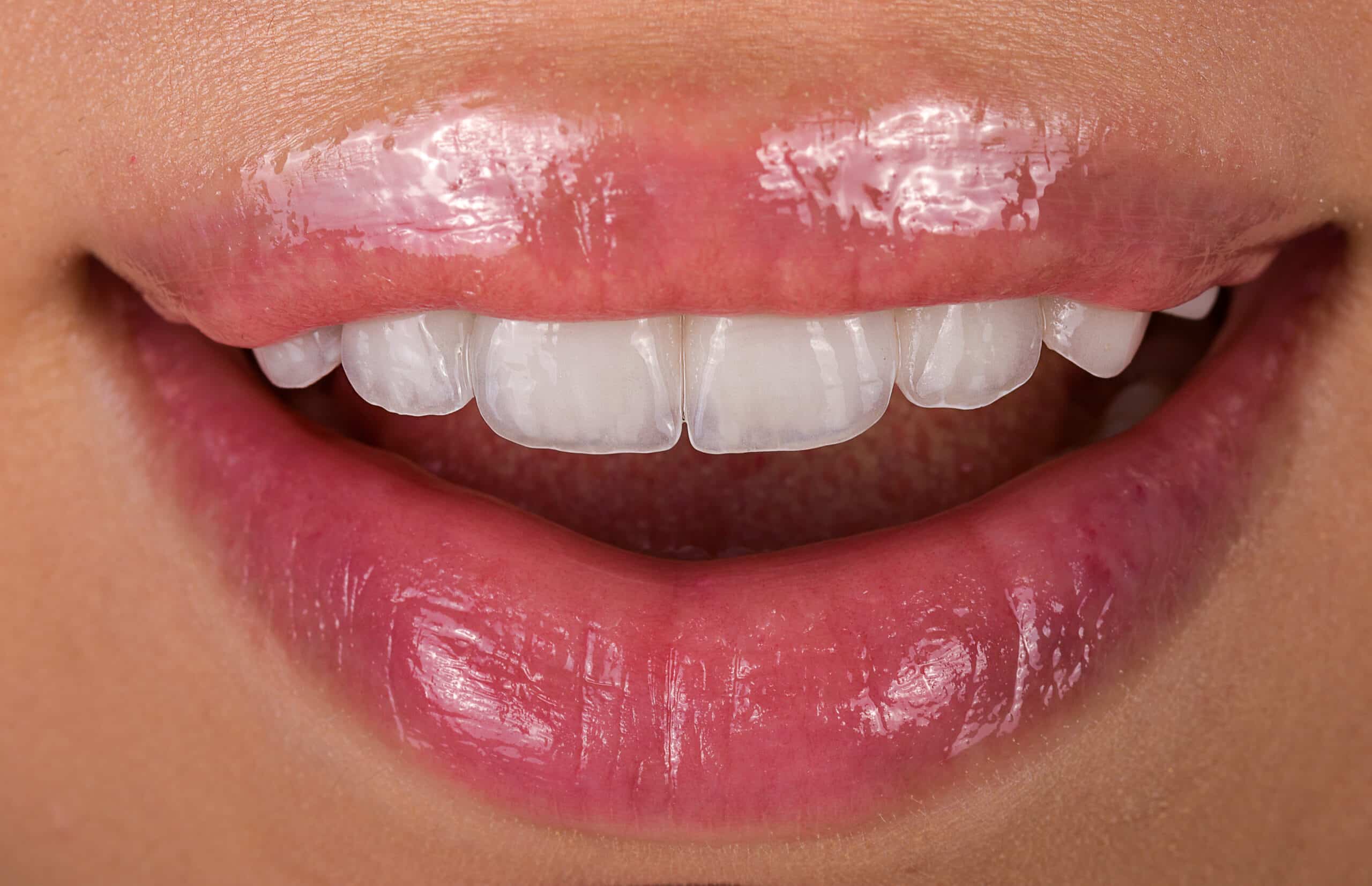
Dental Crowns in Turkey
Restore damaged, weakened, or aesthetically compromised teeth with zirconia, E-max, or porcelain-fused-to-metal crowns. Same-week treatment at TEMOS-accredited clinics in Istanbul.
Treatment Guide
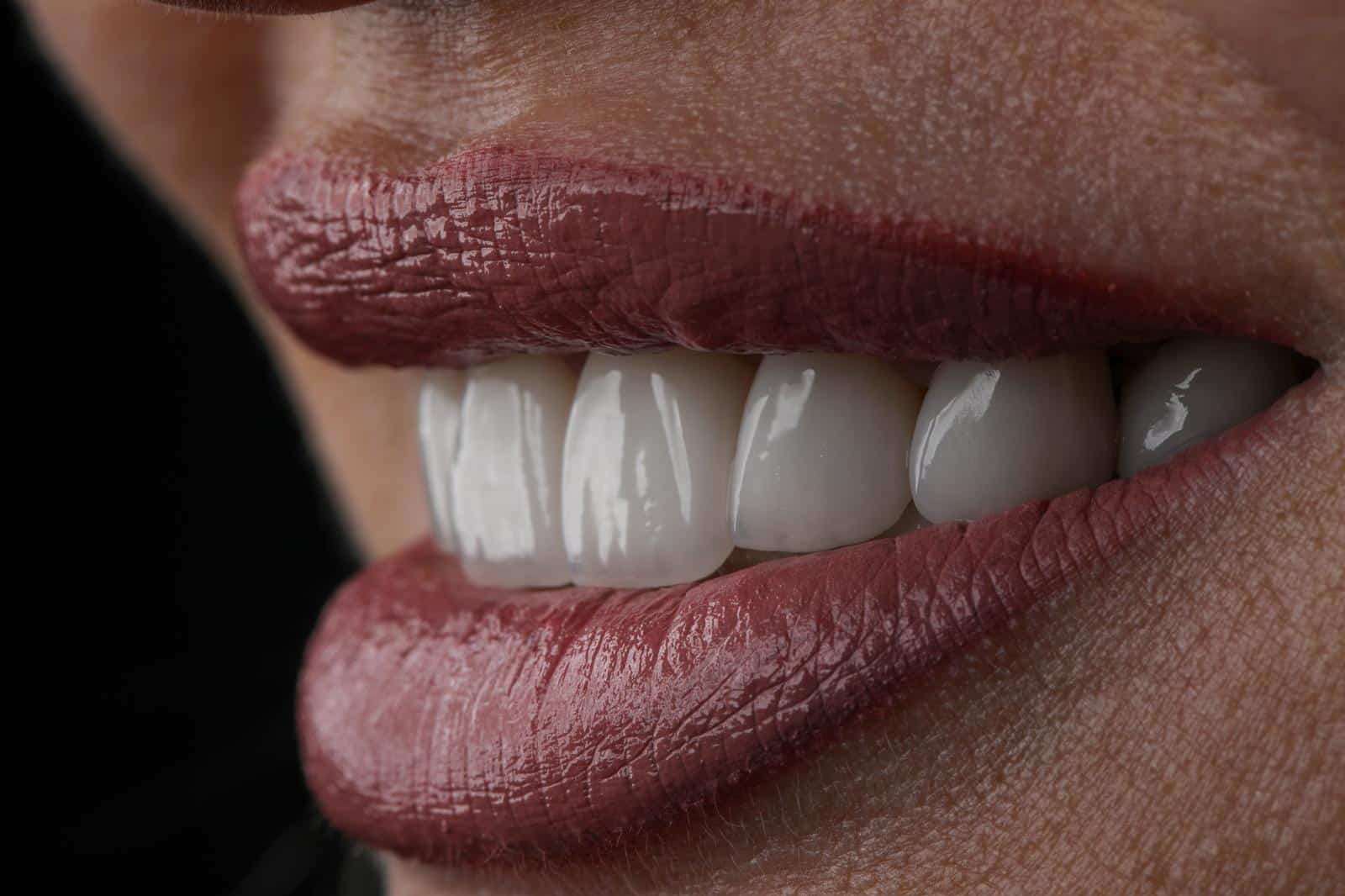
Dental Bonding: What It Is, Cost and How It Compares to Veneers
How composite bonding repairs chips and gaps in one visit, how it compares with veneers and crowns, and how to care for it.
Treatment Guide
Tooth Extraction and Implants: Immediate, Early or Delayed Placement
Immediate vs early vs delayed implant placement, socket preservation, and how candidacy, cost and visits are assessed.
Treatment Guide
Gum Disease and Implants: Periodontal Treatment Before You Start
Why gum disease must usually be treated before implants: gingivitis vs periodontitis, treatment, peri-implantitis and prevention.
Plan the next step clearly
Use this page as a decision-support guide, then move into quote review, treatment comparison, and travel planning with coordinator support.
Decision Context
Patients compare this treatment inside the trip around it
Treatment pages perform better when they acknowledge arrival flow, destination trust, and the recovery rhythm patients are trying to visualise before booking.

The provider decision starts with arrival confidence
Patients compare treatment pages while also asking how first-day logistics, transfers, and scheduling will actually work.

The destination still influences medical trust
A treatment page is stronger when it recognises that the city itself remains part of the decision frame for international patients.

Recovery pacing changes how people evaluate options
Different procedures feel more or less realistic depending on how patients picture the slower hours between appointments.