The provider decision starts with arrival confidence
Patients compare treatment pages while also asking how first-day logistics, transfers, and scheduling will actually work.
Vaginoplasty restores vaginal tone and tightness: most commonly sought after childbirth or age-related changes. Turkey's specialist gynaecological surgeons offer this procedure at internationally accredited hospitals.

Quick answer
Vaginoplasty in Turkey costs $2,500–$4,000 (2026), versus $6,350–$10,150 in the UK and $8,000–$15,000 in the USA: savings of up to 75%. Surgery takes 1–2 hours under general or spinal anaesthesia, with a 1-night hospital stay and 5–7 days before flying home. NexWell coordinates named gynaecological surgeons in Istanbul or Antalya.
Vaginoplasty (vaginal tightening surgery) repairs and tightens the vaginal canal and surrounding muscles: typically loosened by childbirth or ageing. The procedure strengthens the pelvic floor muscles and reduces vaginal diameter.
Vaginoplasty is carried out at Ministry of Health–licensed facilities in Istanbul and Antalya by named specialist gynaecological surgeons, using precise surgical techniques with internal dissolvable sutures.
Traditional Vaginoplasty: excess vaginal lining is removed and the underlying muscles are tightened with sutures. The standard surgical approach.
Perineoplasty: a complementary procedure that repairs the perineum (area between vagina and anus, often damaged during childbirth). Frequently combined with vaginoplasty.
Laser Vaginal Rejuvenation: non-surgical alternative using CO2 or Er:YAG laser to stimulate collagen production. Suitable for mild laxity only.
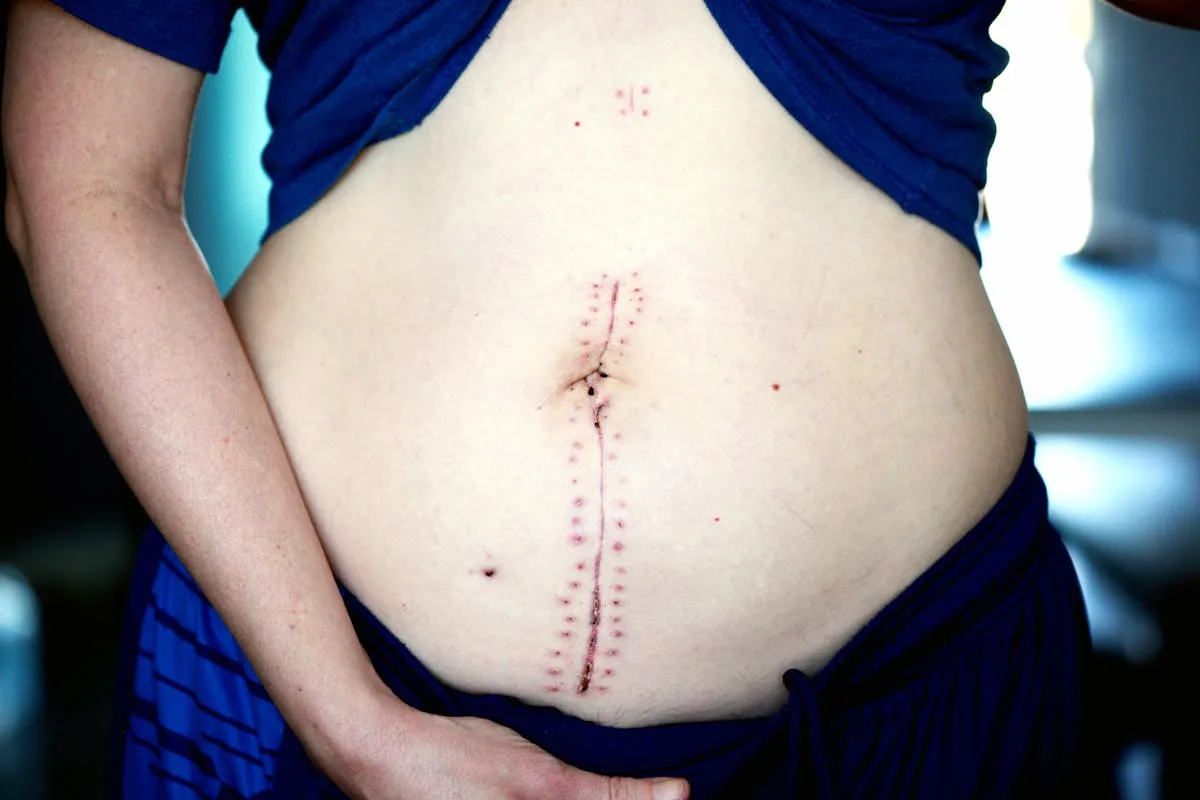
Day 1–3: Rest, mild discomfort managed with medication. Internal sutures begin healing. Week 1–2: Light walking. Avoid sitting for prolonged periods. Week 4: Most daily activities resumed. 6–8 weeks: Full recovery. Resume exercise and intimacy.
All sutures are dissolvable. NexWell provides 3-month remote follow-up.
Your vaginoplasty is not performed by an anonymous hospital team: it is carried out by one of two named specialist gynaecological surgeons, depending on the city that suits your travel plans.
Patients treated in Istanbul are operated on by Op. Dr. Burhanettin Şahin, a Gynaecology & Obstetrics specialist focused on aesthetic and intimate gynaecologic surgery in Göktürk.
Patients treated in Antalya are operated on by Op. Dr. Selim Karataş, a gynaecological surgeon certified by ITCGA (International Training Center of Genital Aesthetic) in genital aesthetic surgery.
You will know which surgeon is performing your procedure before you travel.
Detailed gynaecological consultation, medical history, pre-operative blood tests.
Vaginoplasty under general or spinal anaesthesia (1–2 hours). 1 night hospital stay for monitoring.
Discharge to hotel with medications and aftercare instructions.
Rest and gentle walking. Remote surgeon check-in.
In-person wound check, cleared to fly.
Vaginoplasty
🇹🇷 Turkey
$2,500–$4,000
🇺🇸 USA
$8,000–$15,000
🇬🇧 UK: $6,350–$10,150
Vaginoplasty + Perineoplasty
🇹🇷 Turkey
$3,000–$4,500
🇺🇸 USA
$10,000–$18,000
🇬🇧 UK: $7,600–$11,450
Labiaplasty + Vaginoplasty
🇹🇷 Turkey
$3,500–$5,000
🇺🇸 USA
$12,000–$22,000
🇬🇧 UK: $8,900–$13,950
Laser Vaginal Rejuvenation (per session)
🇹🇷 Turkey
$500–$800
🇺🇸 USA
$1,500–$3,000
🇬🇧 UK: $1,250–$1,900
All-inclusive NexWell packages. Surgeon fee, anaesthesia, 1 night hospital, medications, follow-up included.
No obligation
Send your case and a coordinator returns a written plan and an indicative quote — usually within a day.
Medically reviewed by Op. Dr. Burhanettin Şahin, MD: Gynaecology & Intimate Aesthetic Surgery. Last reviewed July 2026
Decision Context
Procedure details matter, but international patients also evaluate arrival flow, recovery rhythm, and whether the destination around care feels understandable enough to trust.
Patients compare treatment pages while also asking how first-day logistics, transfers, and scheduling will actually work.

A treatment page is stronger when it recognises that the city itself remains part of the decision frame for international patients.
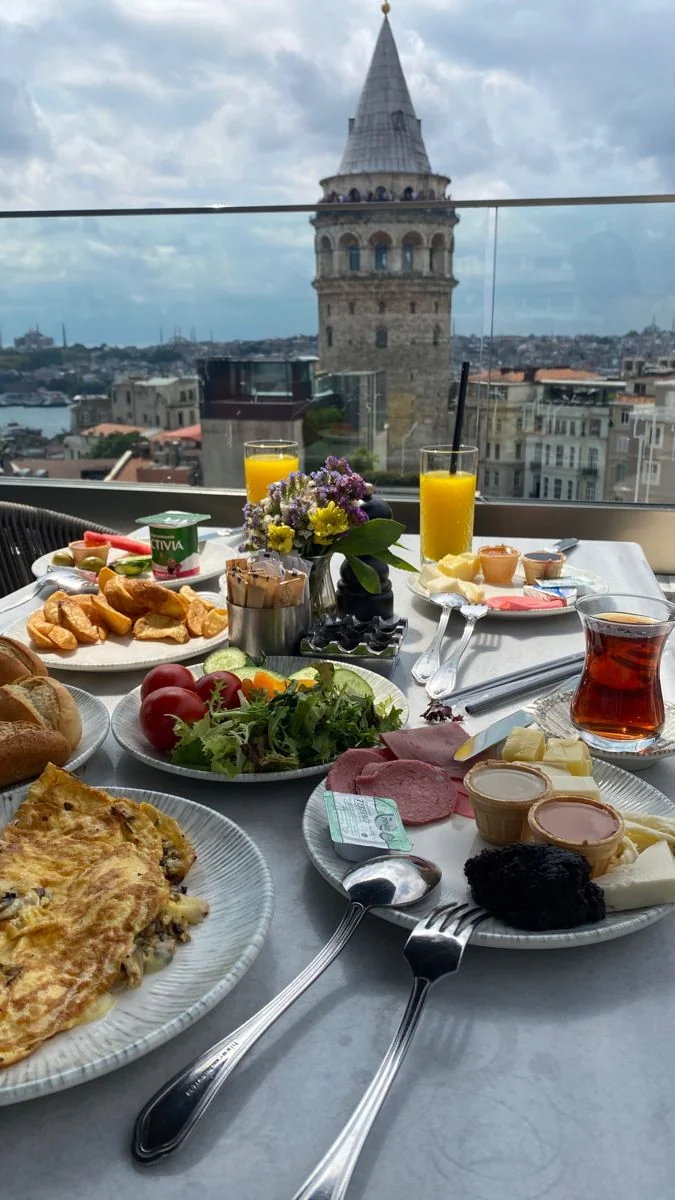
Different procedures feel more or less realistic depending on how patients picture the slower hours between appointments.
Speak with a female patient coordinator. All enquiries handled with complete discretion.
I saved over £12,000 on my dental implants. NexWell handled everything from airport pickup to aftercare.