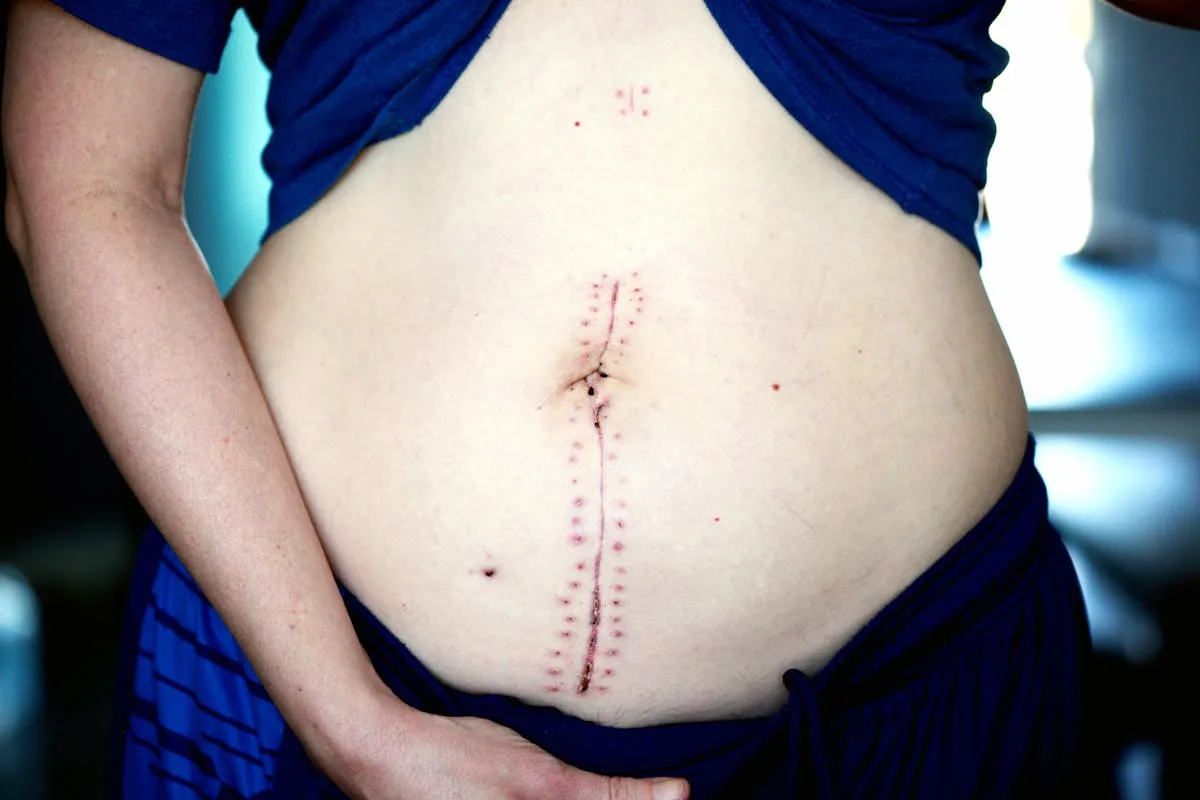
The provider decision starts with arrival confidence
Patients compare treatment pages while also asking how first-day logistics, transfers, and scheduling will actually work.
Whether you're considering surgical vaginoplasty or non-invasive laser treatment, Turkey offers both at internationally accredited clinics with experienced gynaecological specialists.

Quick answer
Vaginal rejuvenation in Turkey starts from $500 per session for non-surgical laser treatment, or $2,500–$4,000 (2026) for surgical vaginoplasty: 55–65% less than UK and US pricing. Laser needs no downtime and typically 3 sessions; surgical vaginoplasty involves a 1-night hospital stay and 6–8 week recovery. NexWell arranges named specialist surgeons.
Vaginal rejuvenation encompasses both surgical (vaginoplasty) and non-surgical (laser/radiofrequency) approaches to restore vaginal tone, improve comfort, and address aesthetic concerns. NexWell helps patients choose the right approach based on their specific needs, anatomy, and goals.
Surgical Vaginoplasty: best for significant laxity, multiple vaginal deliveries, or when maximum tightening is desired. Single procedure with lasting results. 6–8 week recovery.
Laser Vaginal Rejuvenation (CO2/Er:YAG): best for mild laxity, dryness, or mild urinary incontinence. No downtime, performed in clinic. 3 sessions typically recommended. Results are more subtle than surgery.
Radiofrequency (ThermiVa): gentle heating stimulates collagen. Similar to laser but uses radiofrequency energy. 3 sessions, no downtime.
Your specialist will recommend the most appropriate option during consultation.
Many patients combine vaginal rejuvenation with labiaplasty, perineoplasty, or even aesthetic procedures like a tummy tuck or mommy makeover: addressing multiple post-childbirth concerns in a single trip. NexWell offers comprehensive combination packages.
If you choose the surgical route, your vaginoplasty is performed by one of NexWell's named partner gynaecological surgeons: the specific surgeon depends on whether you travel to Istanbul or Antalya.
In Istanbul, surgical procedures are carried out by Op. Dr. Burhanettin Şahin, a Gynaecology & Obstetrics specialist in aesthetic and intimate gynaecologic surgery in Göktürk.
In Antalya, surgical procedures are carried out by Op. Dr. Selim Karataş, a gynaecologist with ITCGA (International Training Center of Genital Aesthetic) certification in genital aesthetic surgery.
If you are considering the non-surgical route, laser and radiofrequency options are discussed during the same consultation pathway.
Specialist gynaecological assessment. Discussion of surgical vs non-surgical options based on your anatomy and goals.
Laser/RF: performed in clinic (30 minutes, no anaesthesia needed). Surgical: vaginoplasty under anaesthesia (1–2 hours), 1 night hospital stay.
Laser: resume daily activities immediately. Surgical: hotel recovery with rest and medication.
Surgical patients: surgeon review and clearance to fly. Laser patients: may schedule next session if multi-session plan.
Laser Vaginal Rejuvenation (per session)
🇹🇷 Turkey
$500–$800
🇺🇸 USA
$1,500–$3,000
🇬🇧 UK: $1,250–$1,900
Laser Vaginal Rejuvenation (3-session package)
🇹🇷 Turkey
$1,200–$2,000
🇺🇸 USA
$4,000–$8,000
🇬🇧 UK: $3,200–$5,100
Surgical Vaginoplasty
🇹🇷 Turkey
$2,500–$4,000
🇺🇸 USA
$8,000–$15,000
🇬🇧 UK: $6,350–$10,150
Vaginoplasty + Labiaplasty
🇹🇷 Turkey
$3,500–$5,000
🇺🇸 USA
$12,000–$22,000
🇬🇧 UK: $8,900–$13,950
NexWell all-inclusive packages for surgical; per-session pricing for non-surgical.
No obligation
Send your case and a coordinator returns a written plan and an indicative quote — usually within a day.
Medically reviewed by Op. Dr. Burhanettin Şahin, MD: Gynaecology & Intimate Aesthetic Surgery. Last reviewed July 2026
Decision Context
Procedure details matter, but international patients also evaluate arrival flow, recovery rhythm, and whether the destination around care feels understandable enough to trust.
Patients compare treatment pages while also asking how first-day logistics, transfers, and scheduling will actually work.

A treatment page is stronger when it recognises that the city itself remains part of the decision frame for international patients.
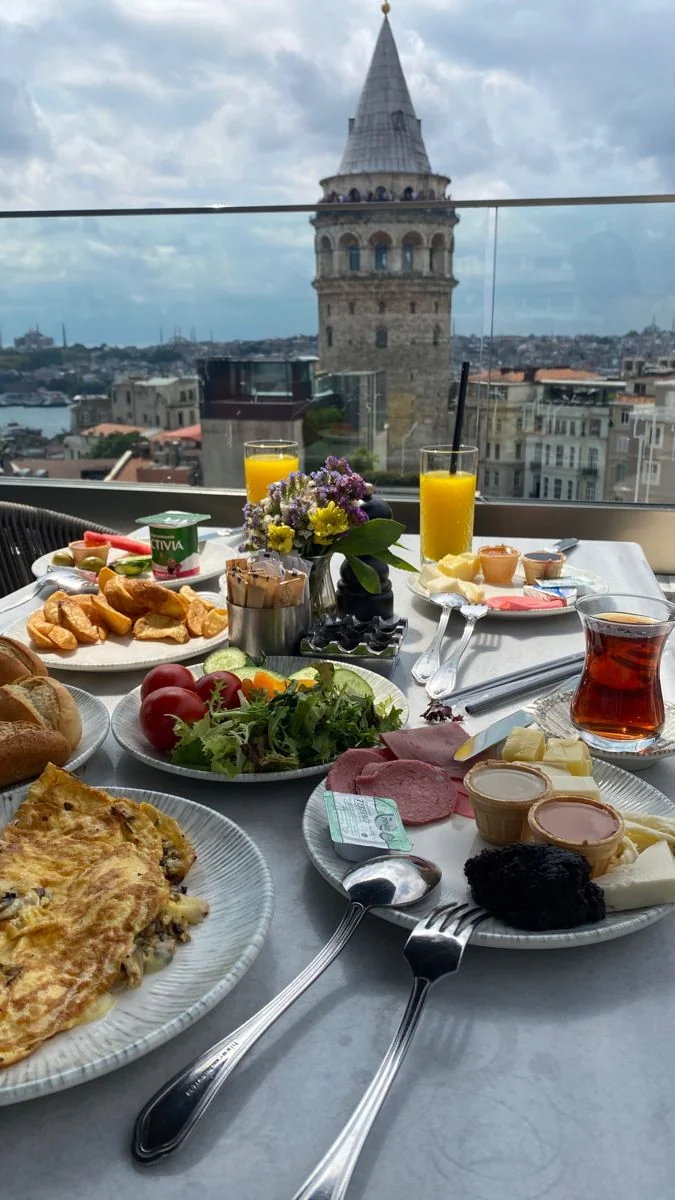
Different procedures feel more or less realistic depending on how patients picture the slower hours between appointments.
Speak with a female patient coordinator. All enquiries handled with complete discretion.
I saved over £12,000 on my dental implants. NexWell handled everything from airport pickup to aftercare.