Medically reviewed by Dt. Tunç Berge, MSc: Esthetic Dentistry & Implantology. Last reviewed June 2026
Osseointegration Explained: How Dental Implants Fuse With Bone
- TEMOS-accredited clinics
- JCI-accredited hospitals
- Board-certified surgeons and a licensed clinical team
- 3,000+ international patients treated
A NexWell explainer on osseointegration: the biological process by which a titanium implant bonds with jawbone. What it is, the healing stages, what helps or harms it, and a realistic timeline before your final teeth.
Written quote from a NexWell coordinator, usually within 24 hours.
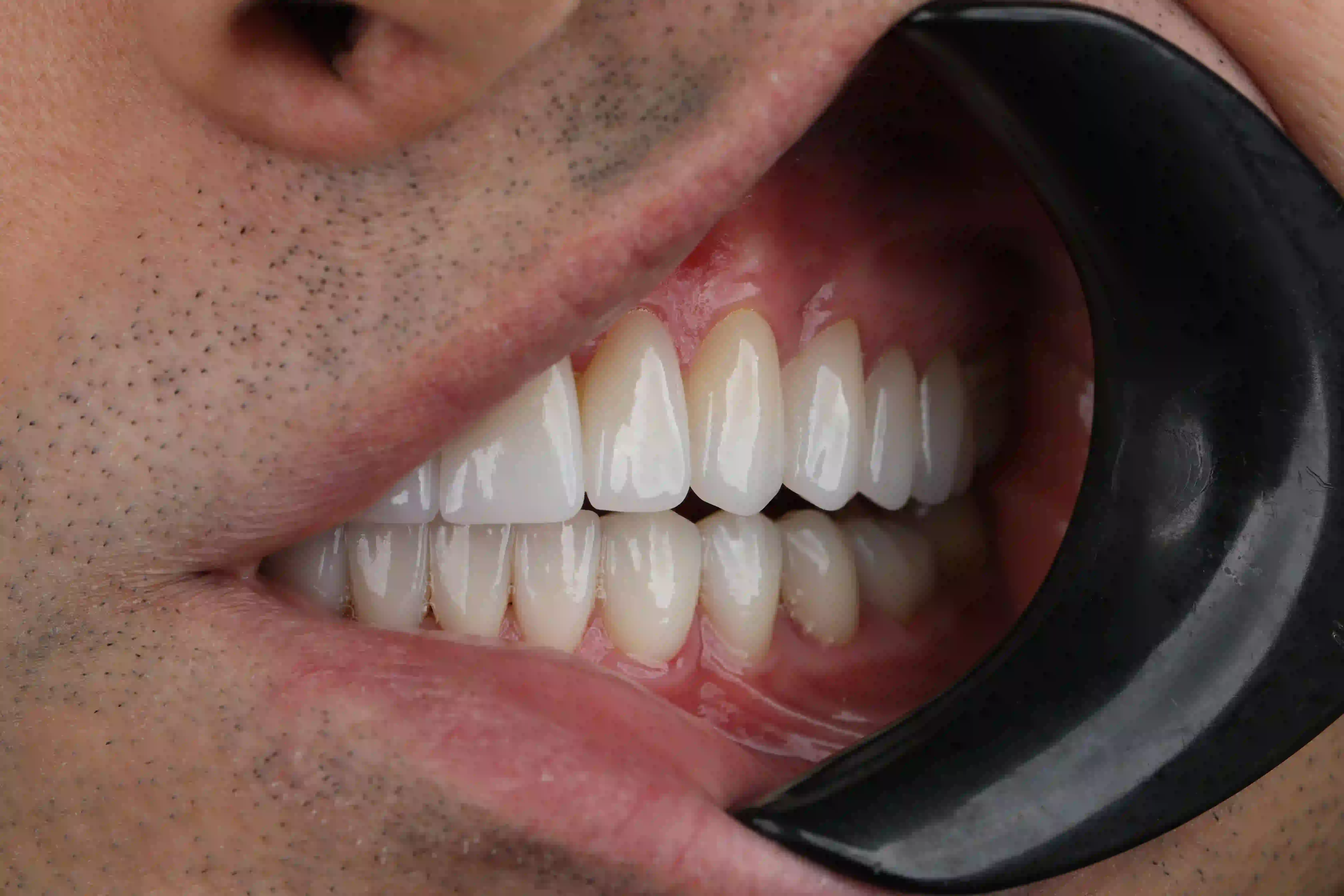
Quick answer
A NexWell explainer on osseointegration: the biological process by which a titanium implant bonds with jawbone. What it is, the healing stages, what helps or harms it, and a realistic timeline before your final teeth.
What Osseointegration Actually Means
Osseointegration is the biological process in which living jawbone grows directly against the surface of a dental implant and locks it in place, with no soft tissue layer in between. The word combines the Latin os (bone) with integration, and it describes a structural and functional bond rather than a simple mechanical wedge.
The concept was first documented by Swedish researcher Per-Ingvar Brånemark, who observed that titanium implants became inseparable from bone in laboratory work.
That observation is why modern implants are made from titanium or, in some cases, zirconia: both materials the body tolerates well enough for bone to bond to their surface, and a key reason different dental implant brands invest heavily in surface technology.
This matters for one practical reason: an implant only carries chewing force safely once it is truly integrated. A screw that is merely press-fit into a drilled site is mechanically stable on the day of surgery, but it is not yet biologically anchored. Osseointegration is what turns that initial fit into a foundation strong enough to support a crown, bridge or full arch.
The concept was first documented by Swedish researcher Per-Ingvar Brånemark, who observed that titanium implants became inseparable from bone in laboratory work.
Treatment Plan
Ready for a written Osseointegration Explained: How Dental Implants Fuse With Bone quote?
A NexWell coordinator reviews your case and replies with a personalised treatment plan and indicative pricing — usually within 24 hours.
How It Works: The Healing Stages
Integration is not a single event but a sequence of overlapping biological stages that unfold over weeks to months after the implant is placed.
1. Primary stability (day 0): the implant is held mechanically by the way it threads into prepared bone. This is engineering, not biology, and it is what allows some cases to qualify for immediate loading.
2. Inflammatory and clot phase (days 1-7): a blood clot forms at the bone-implant interface and the body begins the normal early wound-healing response.
3. Woven bone formation (weeks 1-6): immature, fast-growing bone bridges the gap between the implant surface and the surrounding bone wall. Primary mechanical stability falls during this window while biological stability has not yet peaked: the so-called stability dip.
4. Bone remodelling and maturation (weeks 6-16+): the soft woven bone is gradually replaced by stronger, organised lamellar bone. Secondary stability rises and the implant becomes genuinely load-ready.
Good pre-surgical planning, often guided by a CBCT scan, helps the surgeon position the implant where bone quality and volume give this sequence the best chance of completing without interruption. Where bone is insufficient, a bone graft or sinus lift may be staged before or alongside placement.
What Affects Osseointegration
Several factors influence whether an implant integrates predictably. None of them guarantees an outcome, but together they shape the risk profile your clinician assesses before treatment. The table below summarises the most clinically significant ones.
Factor
Effect on osseointegration
Smoking / nicotine
Reduces blood supply and impairs healing at the interface; consistently linked with higher early failure rates
Bone density and volume
Low bone density gives weaker primary stability and slower integration; severely deficient bone may need grafting or alternative concepts
Early or excessive loading
Applying chewing force before maturation can cause micro-movement that disrupts the forming bone bond
Uncontrolled diabetes
Elevated blood sugar slows wound healing and bone formation
Infection / poor oral hygiene
Bacterial inflammation around the implant can prevent or reverse integration
Implant surface and design
Modern roughened surfaces and a precisely fitted abutment connection are designed to encourage faster, more stable bone attachment
Where jawbone is severely deficient, conventional placement may not be possible at all and options such as short implants or zygomatic implants are considered instead. These are clinical decisions, not menu choices, and they depend on imaging and examination rather than on patient preference alone.
The same biology underpins full-arch plans such as All-on-4 and All-on-6.
A Realistic Timeline Before Final Teeth
Most patients want one number: how long until I can chew normally on my implant. The honest answer is a range, because integration speed depends on the factors above and on where in the mouth the implant sits.
As a general guide, lower-jaw implants, which usually meet denser bone, are often considered integrated at around two to three months. Upper-jaw implants, where bone tends to be softer, are commonly given three to six months before the final restoration is fitted. Cases involving grafting or a sinus lift may add further healing time before the implant is even placed.
Immediate-load protocols can place a temporary tooth on the same day, but this is a provisional restoration designed to stay out of heavy function while integration completes underneath it: it is not a shortcut around the biology.
Whether a definitive crown, a dental crowns bridge or a full mouth dental implants restoration follows, the clinician confirms stability before committing to the final teeth.
NexWell does not present any of these timelines as a promise. They are planning ranges that let international patients structure travel realistically, with the final loading decision made by the treating clinician based on examination and healing, not by a calendar set in advance.
Vetted partner network
NexWell coordinates with TEMOS-accredited clinics or Ministry of Health–licensed facilities in Turkey.
Board-certified review
Content reviewed by Dt. Tunç Berge — Turkish Dental Association (TDB).
5.0★ from real patients (5 reviews)
“I was told by two dentists at home that I didn't have enough bone. They did the graft and implants in one trip. Six months later I came back for the final crowns. Incredible team.” — Mark T., Dublin, Ireland
No obligation
Get your Osseointegration Explained: How Dental Implants Fuse With Bone plan
Send your case and a coordinator returns a written plan and an indicative quote — usually within a day.
Questions Patients Ask Before They Commit
Related reading
dental
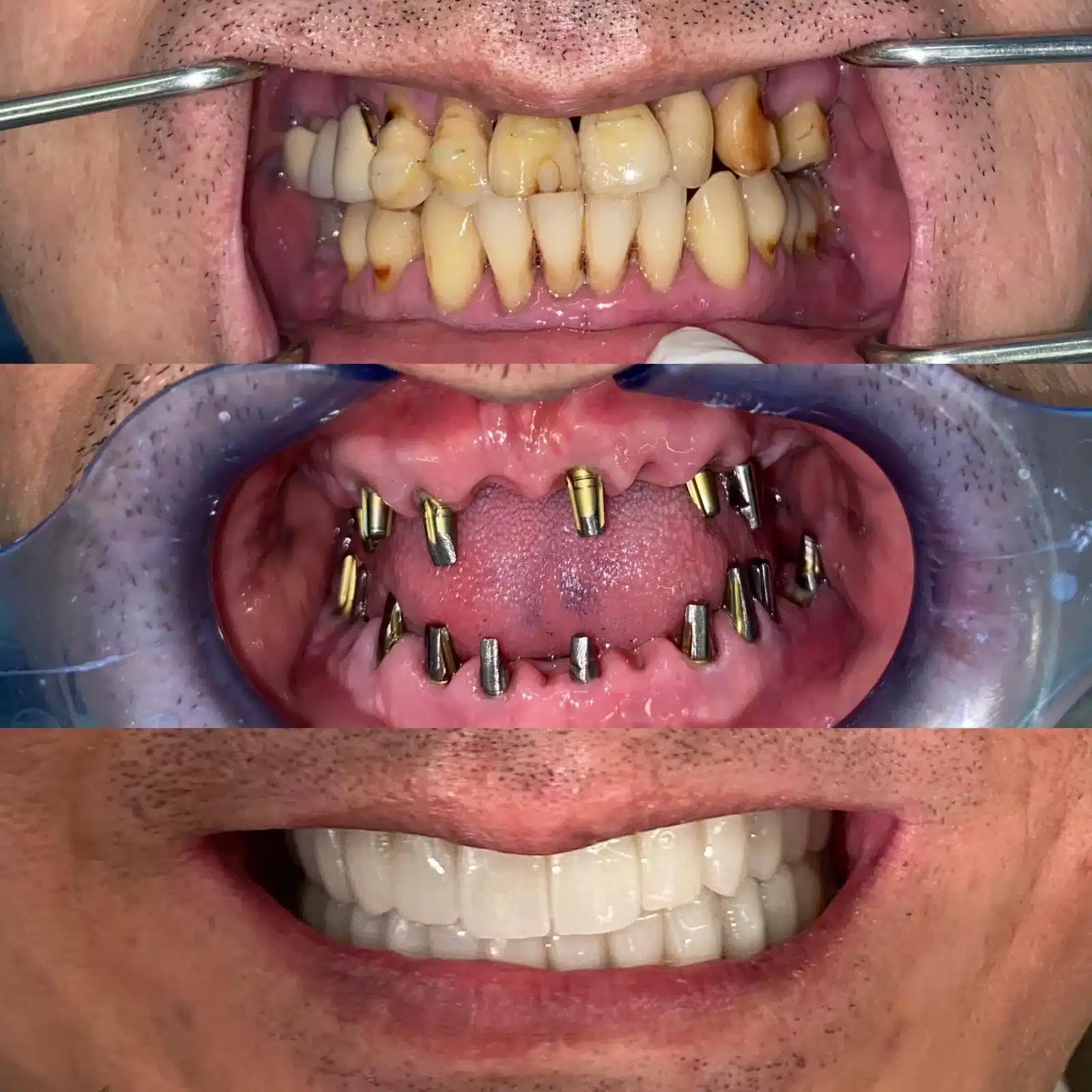
Dental Implants in Turkey
Replace a single tooth or your entire smile with premium dental implants in Istanbul. Same brands as London specialists, a fraction of the cost. 5-day treatment packages. TEMOS-accredited dental clinics.
Treatment Guide
Bone Grafting for Dental Implants: Types, Sinus Lift & When You Need One
A NexWell planning guide to dental bone grafting: how autograft, allograft, xenograft and synthetic materials differ, when a sinus lift is involved, which graft materials clinics use, and how grafting changes implant candidacy.
Treatment Guide
Immediate Loading Dental Implants: Same-Day Teeth Explained
How same-day teeth work, who is a candidate, why a provisional is not the final bridge, and the honest risks.
dental
All-on-6 Dental Implants in Turkey
Six strategically placed implants provide superior arch stability compared to All-on-4: ideal for patients with lower bone density or heavier bite forces. Same-day teeth, TEMOS-accredited clinics.
Plan the next step clearly
Use this page as a decision-support guide, then move into quote review, treatment comparison, and travel planning with coordinator support.
Decision Context
Patients compare this treatment inside the trip around it
Treatment pages perform better when they acknowledge arrival flow, destination trust, and the recovery rhythm patients are trying to visualise before booking.

The provider decision starts with arrival confidence
Patients compare treatment pages while also asking how first-day logistics, transfers, and scheduling will actually work.

The destination still influences medical trust
A treatment page is stronger when it recognises that the city itself remains part of the decision frame for international patients.

Recovery pacing changes how people evaluate options
Different procedures feel more or less realistic depending on how patients picture the slower hours between appointments.
References
- Pandey C, Rokaya D, Bhattarai BP: Contemporary Concepts in Osseointegration of Dental Implants: A Review (BioMed Res Int, PMC)
- Osseointegration of Dental Implants in Patients with Congenital and Degenerative Bone Disorders: A Review (PMC)
- Osman RB, Swain MV: Dental Implant Materials: Titanium vs Zirconia, osseointegration biology (Materials, PMC)