Medically reviewed by Dt. Alp Erdem, DDS: Oral & Maxillofacial Surgery. Last reviewed June 2026
Zygomatic Implants: A Solution When You're Told Implants Are Impossible
- TEMOS-accredited clinics
- JCI-accredited hospitals
- Board-certified surgeons and a licensed clinical team
- 3,000+ international patients treated
A NexWell planning guide to zygomatic implants for severe upper-jaw bone loss: how they anchor in the cheekbone instead of the jaw, when they avoid grafting, where jaw surgery or orthodontic prep fits in, and how candidacy, cost and timeline are usually assessed.
Written quote from a NexWell coordinator, usually within 24 hours.
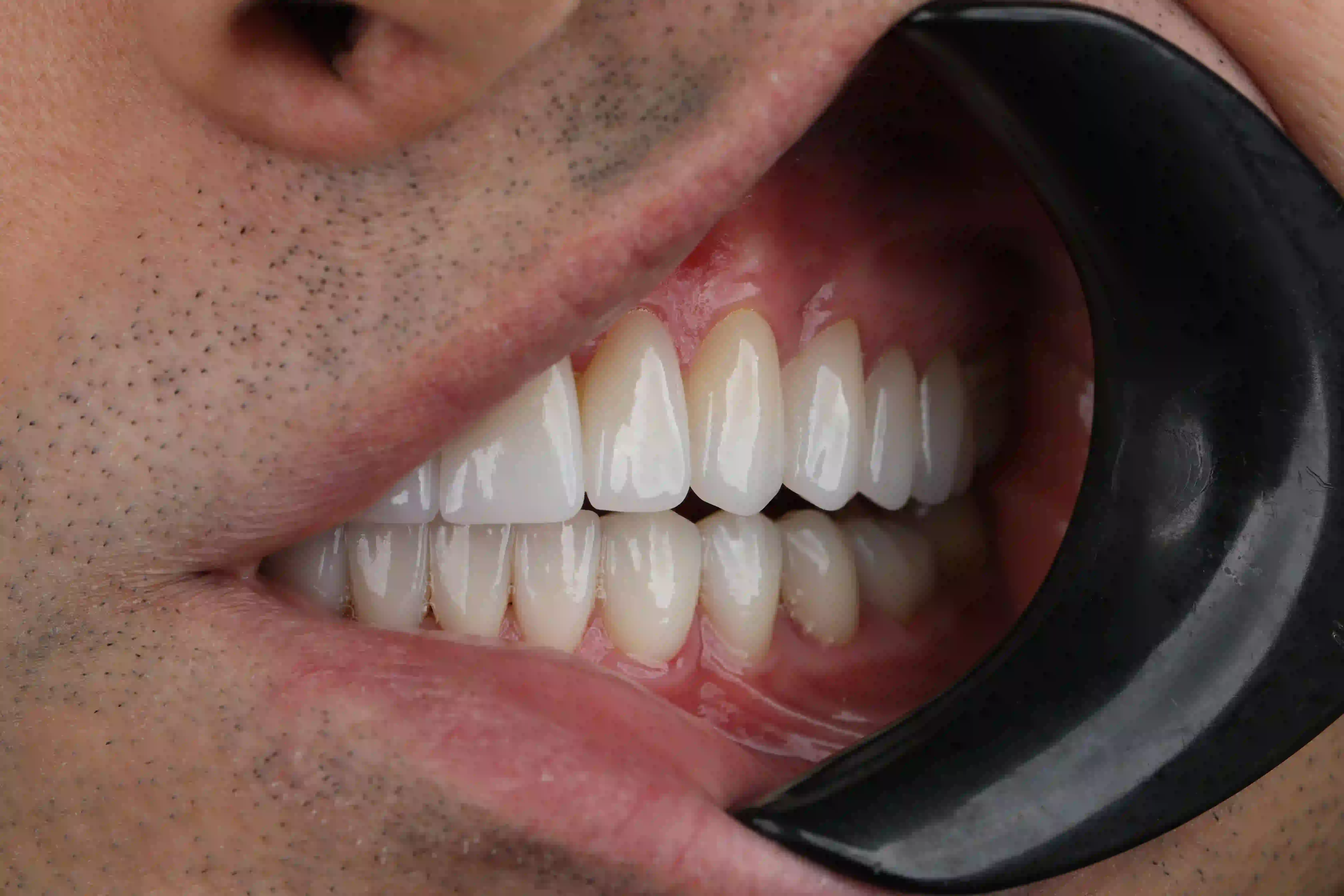
Quick answer
A NexWell planning guide to zygomatic implants for severe upper-jaw bone loss: how they anchor in the cheekbone instead of the jaw, when they avoid grafting, where jaw surgery or orthodontic prep fits in, and how candidacy, cost and timeline are usually assessed.
What Are Zygomatic Implants?
Zygomatic implants are longer-than-standard implants that anchor into the zygoma, the cheekbone, instead of relying on the upper jawbone for support.
Where conventional dental implants need adequate bone height and width in the jaw itself to achieve osseointegration, zygomatic implants bypass the deficient upper jaw entirely and engage the dense, stable cheekbone above it.
This matters because the upper back jaw is where bone is lost most aggressively. After years of missing teeth, advanced gum disease, long-term denture wear or a failed previous restoration, the upper bone density can drop to a point where standard implants simply have nothing to hold onto. The maxillary sinus also expands downward into that space, leaving a thin shell of bone.
A zygomatic implant is angled so that its body passes through or beside the residual jaw and its tip locks into the cheekbone. Two to four zygomatic implants, often combined with one or two standard implants at the front where bone is usually better: can support a fixed full-arch bridge. The result is a non-removable set of upper teeth in cases that were previously told a fixed result was off the table.
This is an advanced surgical technique. It is not a first-line option for every patient; it is a route reserved for severe upper-jaw bone loss where the simpler pathways are no longer realistic.
Where conventional dental implants need adequate bone height and width in the jaw itself to achieve osseointegration, zygomatic implants bypass the deficient upper jaw entirely and engage the dense, stable cheekbone above it.
"We Were Told Implants Are Impossible"
Many patients arrive at this page after being told elsewhere that implants are not possible for them. The phrasing is usually some version of "there isn't enough bone" or "you would need years of grafting first." For the upper jaw in particular, that conclusion is sometimes drawn from a panoramic X-ray alone, without a full three-dimensional view.
The honest reframing is this: "not enough jawbone" does not automatically mean "not enough anchorage." In a meaningful share of severe upper-arch cases, the cheekbone is still dense and intact even when the jaw is almost gone. That is precisely the situation zygomatic implants were designed for.
A case that is impossible for a conventional implant plan can, in many instances, still be a candidate for a cheekbone-anchored solution.
The first step is always proper imaging. A CBCT scan shows the true bone volume of both the jaw and the zygoma in three dimensions, which a flat X-ray cannot. Only from that scan can a surgeon judge whether zygomatic anchorage is realistic, whether a bone graft with conventional implants is the better path, or whether a different strategy applies.
It is worth being clear about what this is not. A zygomatic plan does not mean another clinic was wrong; different clinics offer different surgical scopes, and not every practice performs cheekbone anchorage. The point is simply that a fixed upper arch is sometimes still on the table when a standard plan says it isn't, and that a second opinion based on 3D imaging is the way to find out, not a price comparison.
Treatment Plan
Ready for a written Zygomatic Implants: A Solution When You're Told Implants Are Impossible quote?
A NexWell coordinator reviews your case and replies with a personalised treatment plan and indicative pricing — usually within 24 hours.
When Jaw Surgery or Orthodontic Prep Is Part of the Plan
Not every severe case is solved by implants alone. In a minority of patients, the way the upper and lower jaws meet, the underlying skeletal relationship, is itself part of the problem. When the jaws are significantly misaligned, restoring teeth without addressing the bite can compromise both function and the long-term stability of the implants.
In those cases, jaw surgery, known clinically as orthognathic surgery, may be discussed to reposition the upper or lower jaw into a more functional relationship before or alongside implant work. This is a maxillofacial surgical procedure, planned from 3D imaging and carried out under general anaesthesia, and it is reserved for genuine skeletal discrepancies rather than routine bone loss.
Orthodontic preparation can also play a role. Where some natural teeth remain but are poorly positioned, a phase of tooth movement: using fixed braces or, in suitable cases, clear aligners such as Invisalign: may be used to optimise the arch before the final restorative plan. This is more common in mixed cases than in fully edentulous upper jaws.
The key planning principle is sequencing. Skeletal correction, any grafting, implant placement and the final prosthesis each sit at a defined point in the timeline, and rushing that sequence is where avoidable complications tend to arise. A combined plan involving jaw surgery is typically staged across more than one visit and assessed by a maxillofacial surgeon alongside the restorative team.
Zygomatic Implants vs Bone Graft + Standard Implants
| Factor | Zygomatic implants | Bone graft + standard implants |
|---|---|---|
| Anchorage source | The cheekbone (zygoma), bypassing the deficient jaw | The upper jawbone, after it is rebuilt with graft material |
| Grafting needed | Usually avoids major grafting in the upper back jaw | Relies on grafting, often including a sinus lift, to create bone |
| Treatment timeline | Often shorter; commonly planned for a fixed provisional within a short window | Longer; healing of the graft is usually planned across several months and two visits |
| Typical candidate | Severe upper-jaw bone loss where there is too little bone to graft predictably | Moderate bone loss where the jaw can realistically be rebuilt |
| Main advantage | Makes a fixed upper arch possible when grafting alone may not be enough | Uses conventional, widely practised implant biology in the jaw itself |
| Main trade-off | More advanced surgery requiring specific surgical experience | Adds healing time and grafting steps before implants can be placed |
Neither route is universally better.
For moderate bone loss, a bone graft, for example an autograft or a sinus lift, that rebuilds the jaw so it can take standard implants is often the more conventional and predictable path, and may lead to plans such as All-on-4, All-on-6 or full mouth dental implants.
Zygomatic implants come into their own at the severe end, where there may be too little bone for grafting to be reliable. The choice is a clinical decision made from a 3D scan, not from a price list.
Who Is a Candidate for Zygomatic Implants?
Zygomatic implants are considered for a specific profile rather than for general tooth loss. Typical candidates include patients with severe upper-jaw bone loss, those who have been turned down for conventional implants because of insufficient bone, patients who want to avoid extensive grafting or who do not have enough bone to graft predictably, and people whose previous upper restoration or grafts have failed.
Candidacy is confirmed, not assumed. A surgeon assesses the volume and quality of the cheekbone on a CBCT scan, the condition of the sinuses, general health and any medication that affects healing, and the bite relationship discussed above. Because zygomatic anchorage is technique-sensitive, surgical experience with the procedure is itself part of safe candidacy.
There are also less invasive routes that should be ruled in or out first. In some cases of limited, rather than severe, bone height, short implants or a conventional graft may achieve the goal without cheekbone anchorage. A responsible plan considers the simplest option that is realistic for the case before escalating to zygomatic surgery.
Once placed, zygomatic implants restore chewing function with a fixed bridge in the same way a conventional full arch does.
Where some patients also want to refine the appearance of any remaining or front teeth, cosmetic options such as dental crowns, veneers or a wider Hollywood smile design are separate conversations layered on top of the structural plan, not a substitute for it.
Cost and Timeline: Indicative Ranges
Zygomatic implant treatment is priced as a full-arch surgical plan rather than per implant, because the case usually involves a combination of zygomatic and standard implants, the surgery, the provisional bridge and the final fixed bridge.
As an indicative guide, zygomatic full-arch treatment in Turkey is typically a fraction of the equivalent fee in the USA, UK or Australia, but the only meaningful number is a written, itemised quote produced after imaging.
On timing, the appeal of zygomatic anchorage is partly that it can avoid the long graft-healing wait. In many suitable cases the surgeon plans an immediate loading provisional bridge so the patient leaves with fixed temporary teeth, with the final bridge fitted after healing on a defined follow-up, often a second visit.
Timelines are individual and depend on how the implants integrate.
A complete quote should make the scope explicit: how many zygomatic and standard implants are planned, the implant system used: patients can ask how it compares across dental implant brands: the type of abutment and final bridge material, whether any jaw surgery or grafting is included or billed separately, diagnostics, medication, transfers and follow-up.
All figures are indicative ranges and vary by case. Success and healing outcomes also vary between patients; in most cases a well-planned zygomatic restoration is stable and long-lasting, but no clinic can responsibly promise a guaranteed result. A written plan after a CBCT scan is the only reliable basis for comparison.
Vetted partner network
NexWell coordinates with TEMOS-accredited clinics or Ministry of Health–licensed facilities in Turkey.
Board-certified review
Content reviewed by Dt. Alp Erdem — Turkish Dental Association (TDB).
5.0★ from real patients (5 reviews)
“I was told by two dentists at home that I didn't have enough bone. They did the graft and implants in one trip. Six months later I came back for the final crowns. Incredible team.” — Mark T., Dublin, Ireland
No obligation
Get your Zygomatic Implants: A Solution When You're Told Implants Are Impossible plan
Send your case and a coordinator returns a written plan and an indicative quote — usually within a day.
Questions Patients Ask Before They Commit
Related reading
dental-treatments
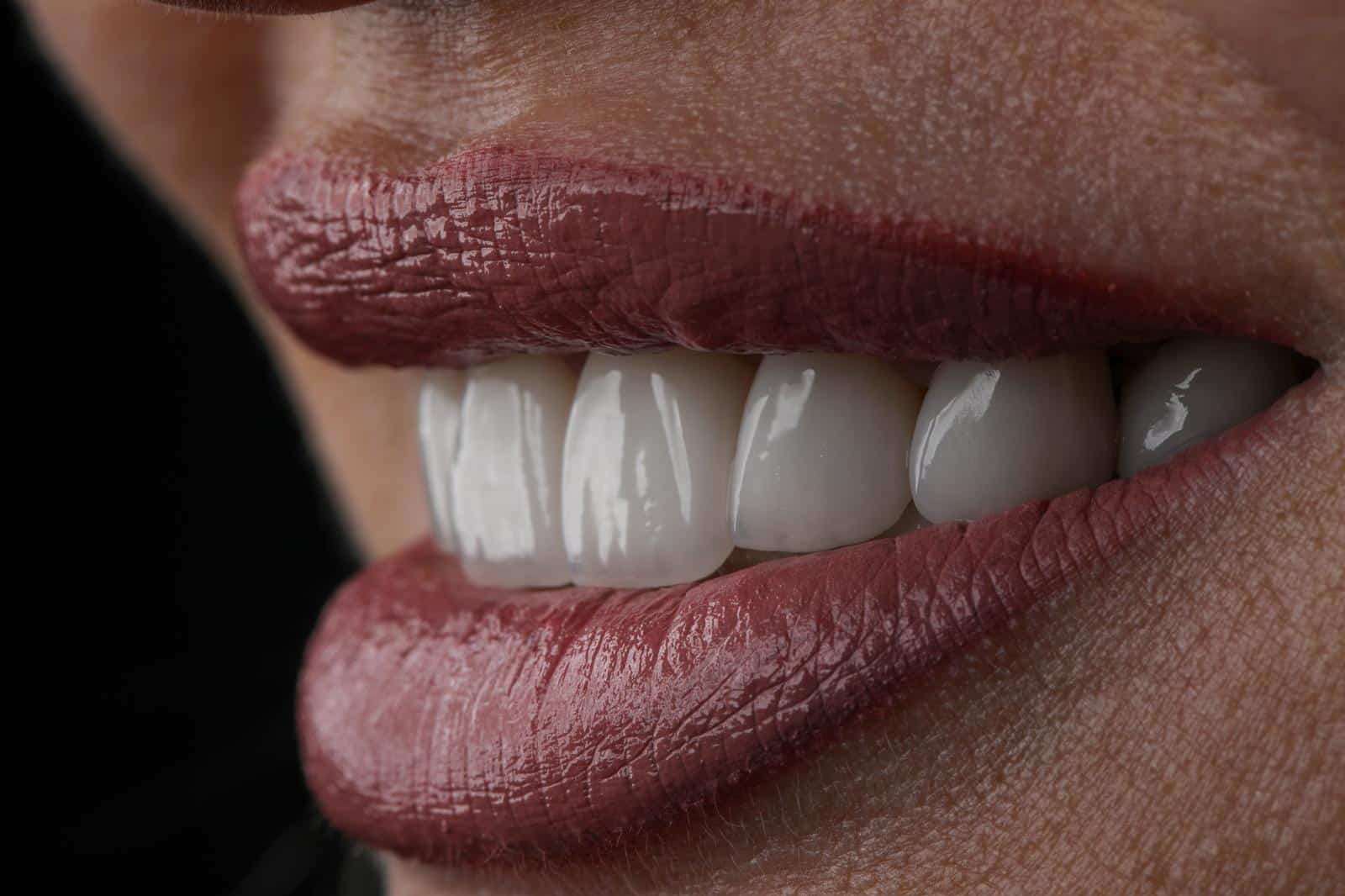
Full Mouth Dental Implants Turkey: Planning, Cost Logic and Case Selection
A buyer-focused guide to full mouth dental implants in Turkey, including who qualifies, what changes the budget, and how to compare All-on-4, All-on-6, and staged rehabilitation.
dental
All-on-4 Dental Implants in Turkey
Complete full-arch restoration anchored by just four strategically placed implants: often delivered as same-day teeth. Save up to 90% compared to UK and US prices, without compromising on quality or safety.
Treatment Guide
Bone Grafting for Dental Implants: Types, Sinus Lift & When You Need One
A NexWell planning guide to dental bone grafting: how autograft, allograft, xenograft and synthetic materials differ, when a sinus lift is involved, which graft materials clinics use, and how grafting changes implant candidacy.
dental
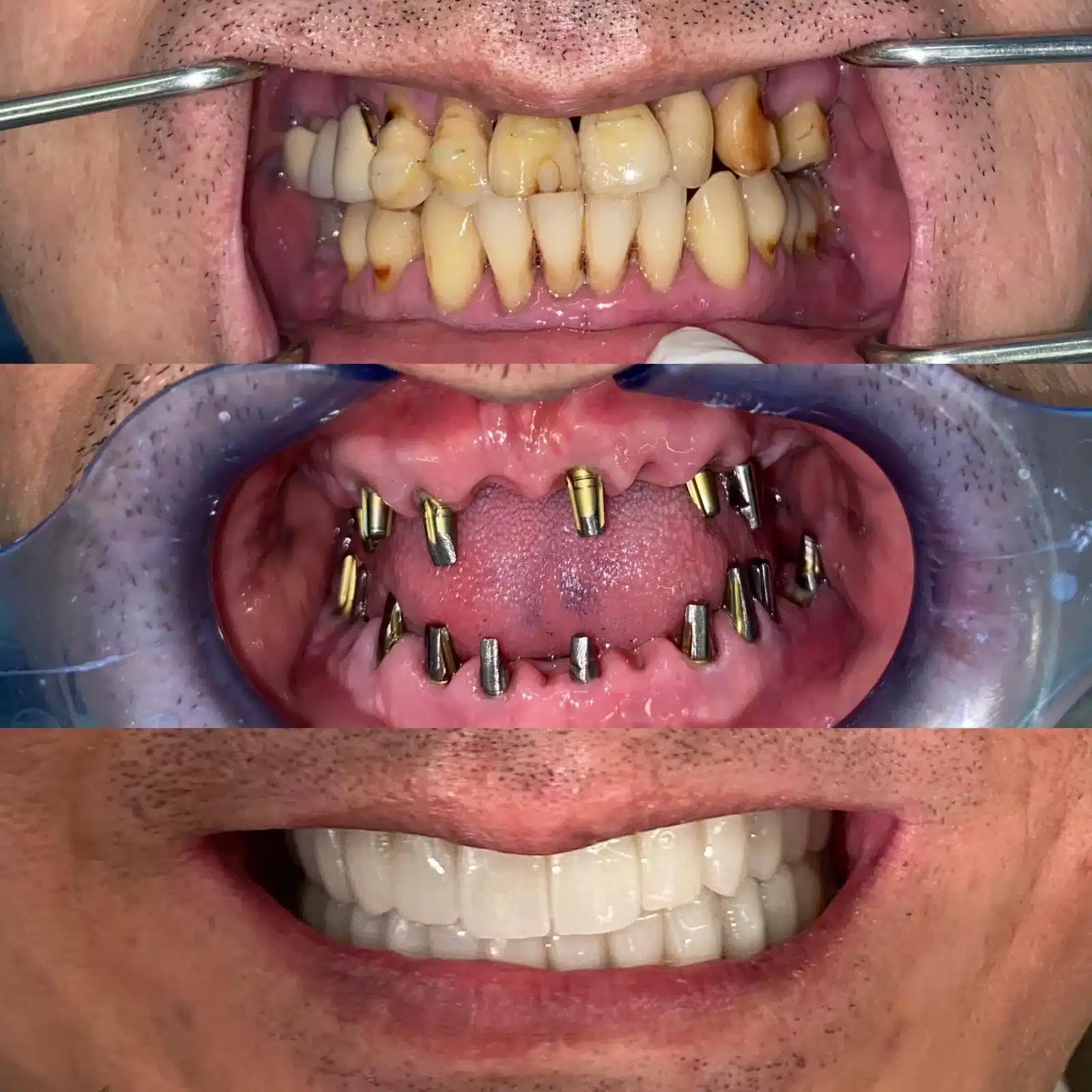
Dental Implants in Turkey
Replace a single tooth or your entire smile with premium dental implants in Istanbul. Same brands as London specialists, a fraction of the cost. 5-day treatment packages. TEMOS-accredited dental clinics.
Plan the next step clearly
Use this page as a decision-support guide, then move into quote review, treatment comparison, and travel planning with coordinator support.
Decision Context
Patients compare this treatment inside the trip around it
Treatment pages perform better when they acknowledge arrival flow, destination trust, and the recovery rhythm patients are trying to visualise before booking.

The provider decision starts with arrival confidence
Patients compare treatment pages while also asking how first-day logistics, transfers, and scheduling will actually work.

The destination still influences medical trust
A treatment page is stronger when it recognises that the city itself remains part of the decision frame for international patients.

Recovery pacing changes how people evaluate options
Different procedures feel more or less realistic depending on how patients picture the slower hours between appointments.