Medically reviewed by Dt. Tunç Berge, MSc: Esthetic Dentistry & Implantology. Last reviewed June 2026
Immediate Loading Dental Implants: Same-Day Teeth Explained
- TEMOS-accredited clinics
- JCI-accredited hospitals
- Board-certified surgeons and a licensed clinical team
- 3,000+ international patients treated
A NexWell planning guide to immediate loading dental implants and same-day teeth: how the protocol works, who is typically a candidate, why a provisional bridge is not the final bridge, and the honest risks patients should weigh before travelling.
Written quote from a NexWell coordinator, usually within 24 hours.
Quick answer
A NexWell planning guide to immediate loading dental implants and same-day teeth: how the protocol works, who is typically a candidate, why a provisional bridge is not the final bridge, and the honest risks patients should weigh before travelling.
What Immediate Loading Actually Means
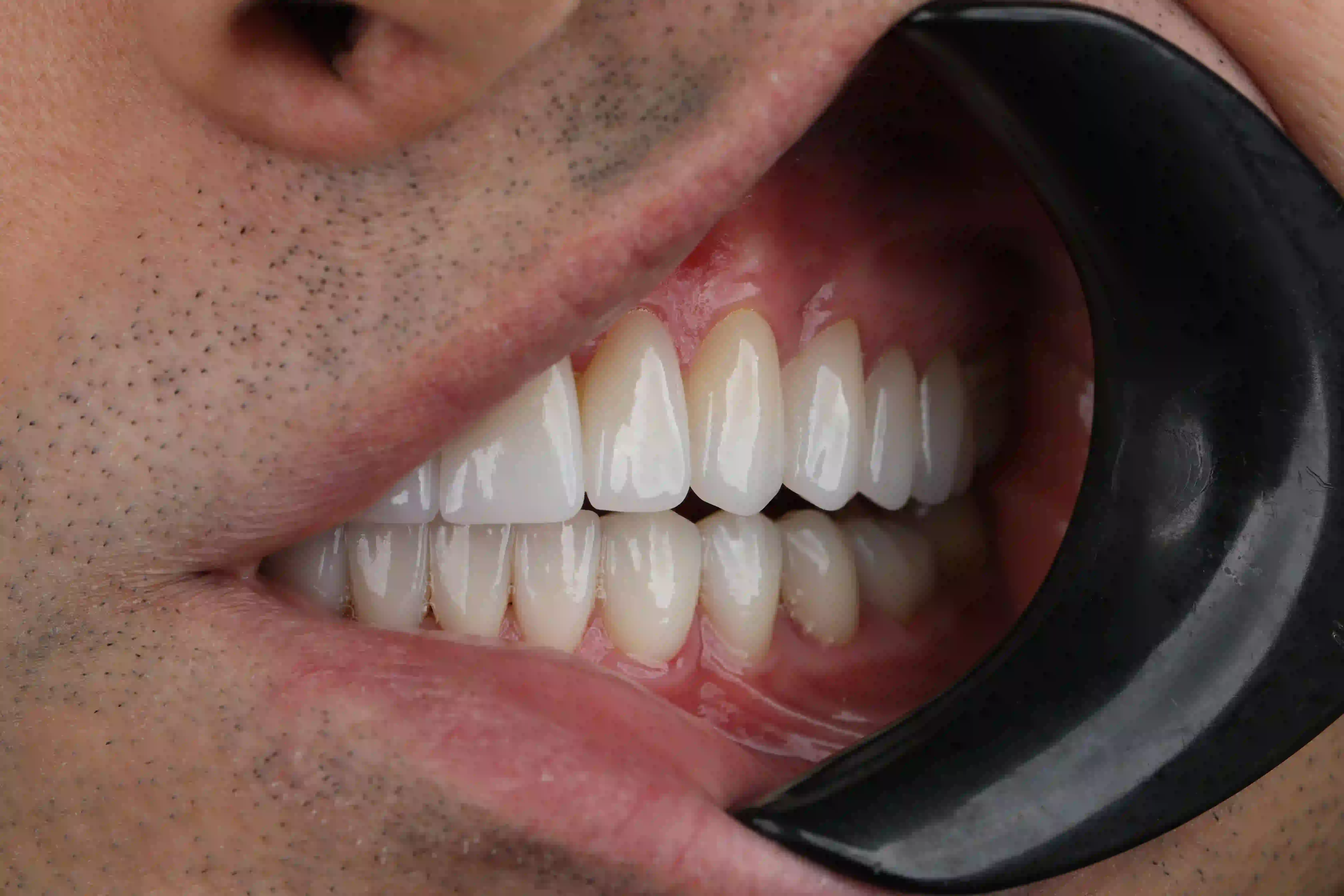
Immediate loading is the protocol where a temporary tooth or fixed bridge is attached to one or more dental implants on the same day they are placed, rather than waiting for the bone to heal first.
In marketing it is usually called same-day teeth or teeth in a day, and the idea is genuinely attractive: a patient can leave surgery with fixed provisional teeth instead of a gap or a removable denture.
The term describes timing, not a brand or a single technique. It can apply to a single tooth, to several teeth, or to a full arch such as All-on-4 or All-on-6. What unites these cases is that function is restored immediately while the biological process underneath continues quietly for months.
That biological process is osseointegration: the gradual fusion of the implant surface with living bone. Immediate loading does not skip osseointegration; it simply asks the implant to carry a controlled, limited load while integration is still happening.
This is why the protocol is described as time-sensitive rather than risk-free, and why candidate selection matters more here than in conventional staged treatment.
In marketing it is usually called same-day teeth or teeth in a day, and the idea is genuinely attractive: a patient can leave surgery with fixed provisional teeth instead of a gap or a removable denture.
Immediate Loading vs Delayed Loading: A Side-by-Side View
The honest way to compare the two protocols is by candidate suitability, timeline and risk profile rather than by which one sounds faster. The table below is indicative and should be read as a planning frame, not a prediction for any individual case.
Factor
Immediate Loading
Delayed Loading
Ideal candidate
Good bone density, healthy gums, sufficient implant primary stability at placement, low to moderate bite force
Wider range of patients, including lower bone quality, bone graft sites or higher-risk medical profiles
Timing of teeth
Fixed provisional teeth typically the same day or within 24-72 hours
No functional load until integration is confirmed, usually after a healing period
Total treatment time
Shorter perceived journey because function returns immediately
Longer before fixed teeth, but each stage is verified before the next
Healing window
Implant integrates while carrying a controlled load
Implant integrates unloaded, then is restored
Risk profile
Higher sensitivity to micromovement and early overload during integration
Lower early mechanical risk because load is deferred
Typical use
Well-selected single, multiple or full-arch cases with strong stability
Grafted sites, sinus lift cases, compromised bone or uncertain stability
Neither protocol is universally better. Delayed loading is often the more conservative, more forgiving route, while immediate loading can be an excellent choice for a carefully screened patient. The decision is clinical, made after imaging and stability measurement, not chosen from a menu.
Treatment Plan
Ready for a written Immediate Loading Dental Implants: Same-Day Teeth Explained quote?
A NexWell coordinator reviews your case and replies with a personalised treatment plan and indicative pricing — usually within 24 hours.
Who Is Typically a Candidate for Same-Day Teeth
Immediate loading depends heavily on one measurable factor at surgery: how firmly the implant is anchored the moment it is placed. This is called primary stability, and it is influenced by bone quality, bone volume and implant design. Without adequate primary stability, same-day loading is generally not advisable.
A planning assessment usually relies on a CBCT scan to map bone height, width and density before surgery. Patients with strong bone density in the planned sites are more often suitable, while those with significant loss may need staging, grafting or alternative concepts first.
Factors that typically support immediate loading include sufficient bone for good primary stability, healthy gum tissue free of active gum disease, a manageable bite, non-smoking status and well-controlled general health.
Factors that typically count against it include heavy grinding or clenching, uncontrolled diabetes, recent grafting that has not matured, or low bone density where short implants or other adaptations are being considered.
When jaw bone is severely deficient, conventional immediate loading may not be realistic and clinicians sometimes discuss zygomatic implants or staged grafting instead. The honest position is that candidacy is decided per patient after diagnostics, and a clinic that promises same-day teeth before reviewing imaging is signalling marketing rather than planning.
A Provisional Bridge Is Not the Final Bridge
This distinction causes more disappointment than almost any other in same-day implant treatment, so it is worth stating plainly: the teeth you leave with on surgery day are usually a provisional restoration, not the definitive one.
The provisional bridge is a functional temporary. It is often made from acrylic or a reinforced temporary material, designed to be slightly under-contoured and lighter in bite so it protects the healing implants from excessive force. It restores appearance and lets you eat soft foods and speak, but it is not built for the long-term durability, bite precision or aesthetic refinement of the final restoration.
The final bridge is typically delivered weeks or months later, once osseointegration has been assessed. It is usually made from materials such as monolithic zirconia and is connected to the implants through a precisely fitted abutment.
Its shape, shade and occlusion are the product of a more deliberate prosthetic process, and it may be paired with dental crowns or a Hollywood smile design in cosmetic cases. Patients exploring orthodontic alternatives such as clear aligners are usually on a different pathway entirely and should not confuse the two.
Problems arise when patients expect final aesthetics from a provisional, or accept a final bridge whose shape and shade were never properly discussed. Clarifying both stages before surgery: what the same-day teeth will look like, and when and in what material the definitive teeth arrive: prevents both errors.
The Honest Risks of Loading Implants Early
Same-day teeth are appealing, but a responsible discussion has to include what can go wrong. None of these risks should be presented as a guarantee in either direction; they are factors that careful planning is designed to reduce.
The central biological risk is micromovement. During the first weeks, excessive movement at the implant-bone interface can interfere with integration. A provisional that is overloaded, knocked or chewed on too hard can, in some cases, contribute to early implant failure. This is why provisional bites are deliberately relieved and why patients are asked to follow a soft-food protocol.
Other considerations include the higher sensitivity of immediate-load cases to bite force, which makes grinding and clenching (bruxism) a meaningful concern; the possibility that a planned same-day load is abandoned at surgery if primary stability is insufficient; and the standard implant risks such as infection or, over the longer term, peri-implant inflammation if hygiene and maintenance are neglected.
Implant choice also matters, and comparing documented dental implant brands is part of a transparent plan. Where bone is inadequate even for this, a bone graft or alternative route is considered first.
The practical takeaway is that immediate loading trades a faster functional result for a narrower margin of error during healing. For a well-selected patient with a disciplined clinic and good aftercare, outcomes are typically very good. For a poorly selected patient or an over-marketed package, the early window carries more risk than a staged approach would.
NexWell's view is that the protocol should be earned by the diagnostics, not sold by the headline.
How Same-Day Cases Are Usually Planned and Supported
A serious immediate-loading plan starts with diagnostics rather than a price. That generally means photographs, a CBCT scan, bite assessment and a frank conversation about whether same-day teeth are realistic for the specific bone and bite in front of the clinician.
On surgery day, implants are placed, primary stability is measured, and only if it is adequate is the provisional fitted. The patient leaves with fixed temporary teeth and a clear set of instructions: a soft-food period, hygiene guidance and a schedule for review.
The healing window, during which integration is established, is typically several months for full-arch work before the final bridge is fitted, whether the case is a single tooth or a full mouth dental implants rehabilitation.
For international patients, aftercare logistics matter as much as the surgery. The key questions are who is clinically responsible across both stages, how a loose or chipped provisional is handled if it happens after the patient has flown home, and whether the final restoration is included in the written scope or quoted separately.
A same-day result is only a good decision if the months that follow it are properly supported.
Vetted partner network
NexWell coordinates with TEMOS-accredited clinics or Ministry of Health–licensed facilities in Turkey.
Board-certified review
Content reviewed by Dt. Tunç Berge — Turkish Dental Association (TDB).
5.0★ from real patients (5 reviews)
“I was told by two dentists at home that I didn't have enough bone. They did the graft and implants in one trip. Six months later I came back for the final crowns. Incredible team.” — Mark T., Dublin, Ireland
No obligation
Get your Immediate Loading Dental Implants: Same-Day Teeth Explained plan
Send your case and a coordinator returns a written plan and an indicative quote — usually within a day.
Questions Patients Ask Before They Commit
Related reading
dental
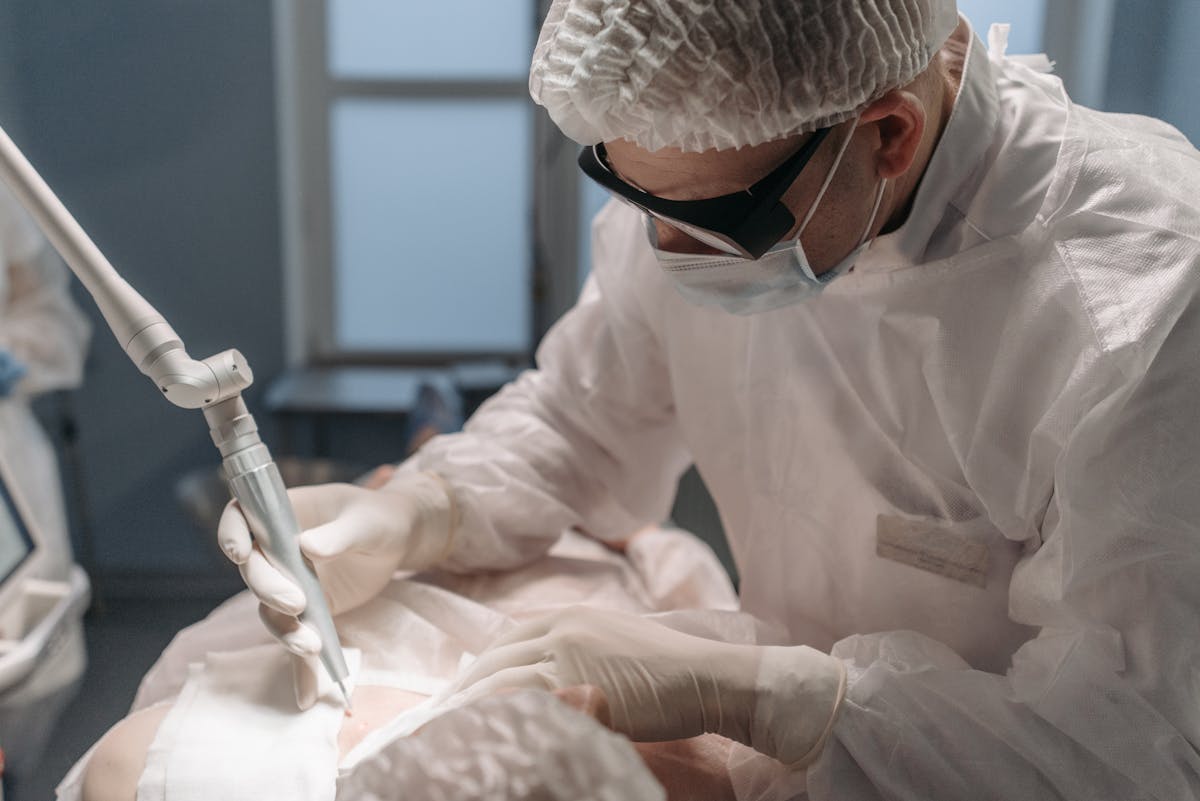
All-on-4 Dental Implants in Turkey
Complete full-arch restoration anchored by just four strategically placed implants: often delivered as same-day teeth. Save up to 90% compared to UK and US prices, without compromising on quality or safety.
dental-treatments
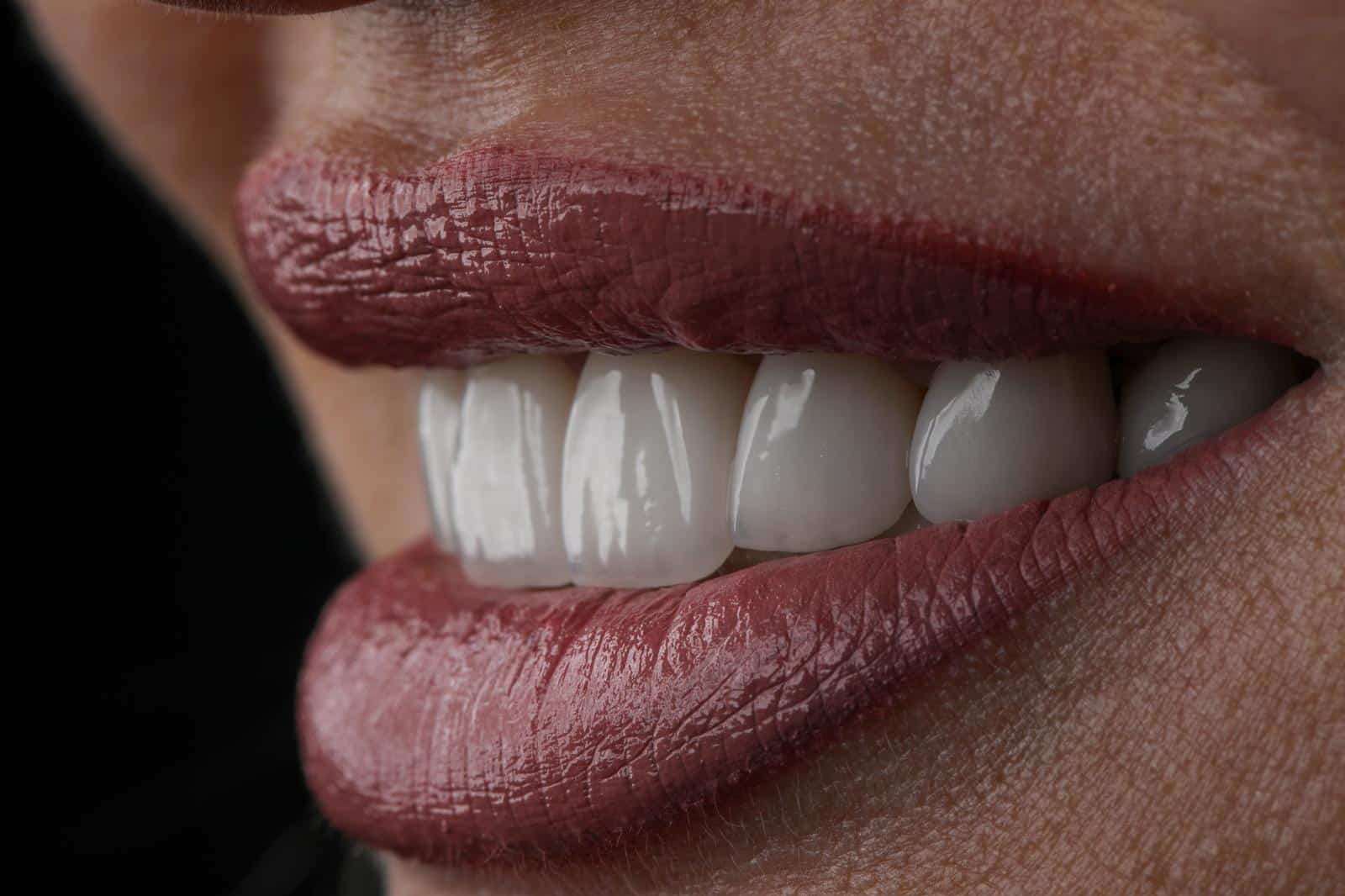
Full Mouth Dental Implants Turkey: Planning, Cost Logic and Case Selection
A buyer-focused guide to full mouth dental implants in Turkey, including who qualifies, what changes the budget, and how to compare All-on-4, All-on-6, and staged rehabilitation.
dental
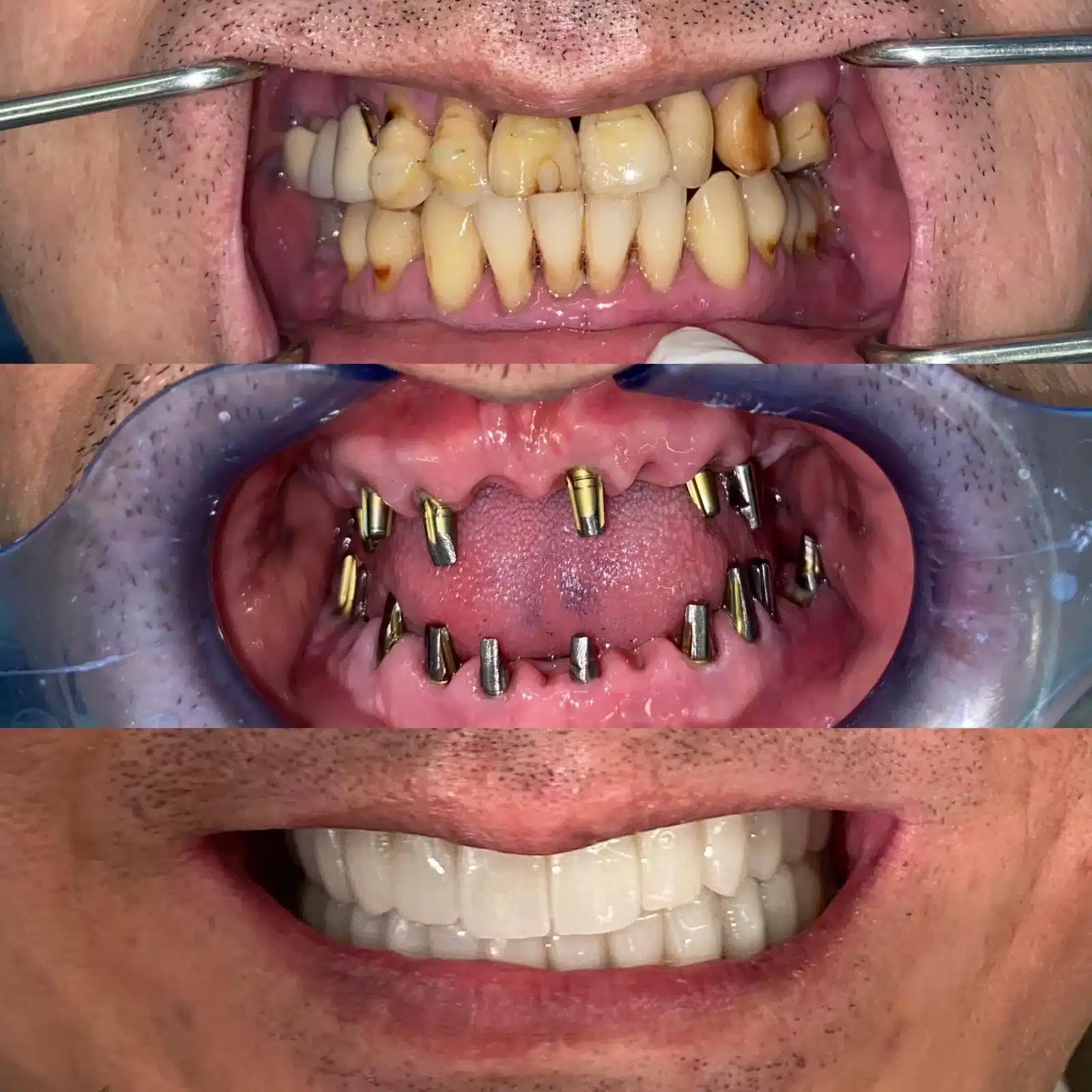
Dental Implants in Turkey
Replace a single tooth or your entire smile with premium dental implants in Istanbul. Same brands as London specialists, a fraction of the cost. 5-day treatment packages. TEMOS-accredited dental clinics.
Treatment Guide
Bone Grafting for Dental Implants: Types, Sinus Lift & When You Need One
A NexWell planning guide to dental bone grafting: how autograft, allograft, xenograft and synthetic materials differ, when a sinus lift is involved, which graft materials clinics use, and how grafting changes implant candidacy.
Plan the next step clearly
Use this page as a decision-support guide, then move into quote review, treatment comparison, and travel planning with coordinator support.
Decision Context
Patients compare this treatment inside the trip around it
Treatment pages perform better when they acknowledge arrival flow, destination trust, and the recovery rhythm patients are trying to visualise before booking.

The provider decision starts with arrival confidence
Patients compare treatment pages while also asking how first-day logistics, transfers, and scheduling will actually work.

The destination still influences medical trust
A treatment page is stronger when it recognises that the city itself remains part of the decision frame for international patients.

Recovery pacing changes how people evaluate options
Different procedures feel more or less realistic depending on how patients picture the slower hours between appointments.