Dental Treatment in Turkey vs Mexico: Cost, Standards and What to Weigh
A NexWell comparison of dental treatment in Turkey versus Mexico for US and Canadian patients: indicative cost ranges for implants, crowns, veneers and All-on-4, an honest look at COFEPRIS regulation and clinic accreditation, the real trade-offs around border access, aftercare and case volume, and a clear framework for deciding which route fits your case.
- JCI-accredited hospitals
- TEMOS-accredited clinics
- Board-certified surgeons and a licensed clinical team
- 3,000+ international patients treated
- 5-star chain hotel accommodation
- VIP airport transfers
Written quote from a NexWell coordinator, usually within 24 hours.
Written quote from a NexWell coordinator, usually within 24 hours.
Quick answer
A NexWell comparison of dental treatment in Turkey versus Mexico for US and Canadian patients: indicative cost ranges for implants, crowns, veneers and All-on-4, an honest look at COFEPRIS regulation and clinic accreditation, the real trade-offs around border access, aftercare and case volume, and a clear framework for deciding which route fits your case.
Why Patients Compare Turkey and Mexico
Patients in the United States and Canada comparing Turkey and Mexico for dental treatment are weighing two genuinely different value propositions, not choosing between a safe option and a risky one: both countries have treated large numbers of North American dental patients for years. Once a US or Canadian private fee has been ruled out, Mexico and Turkey are the two answers you are most likely to land on.
Mexico's advantage for a North American patient is immediate and hard to overstate: it borders the United States.
Towns like Los Algodones and Tijuana sit within walking distance of a US border crossing, and for patients within driving range of the Southwest, a same-day appointment and return home is a real, common pattern: no flight, no jet lag, no time-zone change, minimal passport friction beyond a standard land crossing.
A meaningful share of border-town dentists trained or did residencies in the US, and many clinics run bilingual, US-facing practices built specifically around this traffic. For anyone in California, Arizona or Texas, Mexico offers a convenience that Turkey, roughly 12-14 hours away by air, simply cannot match.
Turkey enters this comparison for a different reason: scale and coordination on larger cases.
Clinics built around international patients handle a high volume of full-arch reconstruction, multi-implant surgery and complete smile redesigns, and many have built package models, transfers, accommodation, translated consent, a single case coordinator, specifically for patients arriving from further away and staying longer by necessity.
Mexico's advantage for a North American patient is immediate and hard to overstate: it borders the United States.
For a big, staged case, that packaged, high-volume model can matter as much as price.
This page does not try to pick a winner. Mexico offers unmatched proximity and, for many patients, a same-day option that removes travel from the equation almost entirely. Turkey offers a large-volume, tightly coordinated treatment model built around exactly the kind of multi-visit, complex case that a quick border trip cannot accommodate.
Which matters more depends on where you live, how large your treatment is, and whether your case is a single visit or a staged one.
Cost Compared: Indicative Ranges
Turkey's published price floor sits below Mexico's on every procedure in the table below, though the gap is real rather than dramatic on smaller items. The ranges are indicative, drawn from published clinic and marketplace data as of August 2026: they are not quotes, and neither country's real price for your case is knowable before a dentist has examined you and written a plan down.
| Treatment | Turkey | Mexico |
|---|---|---|
| Single implant with crown | $400–$1,480 | $600–$1,800 |
| Zirconia crown (per tooth) | $170–$410 | $400–$750 |
| Porcelain veneer (per tooth) | $230–$520 | $300–$800 |
| All-on-4 (per arch) | $5,700–$8,900 | $7,000–$9,000 |
On every row here, Turkey's low end and high end both sit below Mexico's. That is worth stating plainly rather than softening: for a North American patient pricing purely on the procedure fee, Turkey is the lower-cost country in this comparison.
It does not automatically make Turkey the better choice, the trade-off is travel time and distance, covered in the next sections, but the raw numbers should not be dressed up as closer than they are.
The width of each country's own range comes from the same underlying cause on both sides: implant and material brand tier. An economy fixture sits near the floor of a range and a premium system near the ceiling, in Mexico as much as in Turkey: Turkey's own single-implant band alone spans nearly $1,100, almost four times its floor, for exactly this reason.
A low headline number only means something once you know which brand it is quoting, in either country.
One caveat worth naming honestly: border-town Mexican pricing (Los Algodones, Tijuana) can run below the ranges shown here for cash-pay clinics built around day-trip patients, while resort-city Mexican clinics (Cancún, Los Cabos) serving fly-in medical tourists often price nearer the top of the range or above it.
Which end of the Mexican range applies to you depends heavily on which part of the country and which clinic model you are comparing: another reason a written, itemised quote from a specific named clinic is the only number worth acting on. For Turkey's own implant, crown and All-on-4 pricing broken down by brand tier, see our dental implants Turkey cost guide.
Treatment Plan
Ready for a written Dental Treatment in Turkey vs Mexico: Cost, Standards and What to Weigh quote?
A NexWell coordinator reviews your case and replies with a personalised treatment plan and indicative pricing — usually within 24 hours.
Regulation and Standards: What Actually Differs
Regulation differs between Turkey and Mexico in a genuinely different way than a Turkey-vs-EU comparison, because Mexico is not an EU member and no directive-based cross-border patient-rights framework applies here: the honest answer is two separate, country-specific regulatory pictures rather than one shared legal umbrella.
Mexican dental clinics are regulated through COFEPRIS (Comisión Federal para la Protección contra Riesgos Sanitarios), the federal health-risk regulator, and any Mexican clinic must file an Aviso de Funcionamiento, a notice of operation, before it can legally open.
Dentists themselves are licensed through a cédula profesional, issued by the Dirección General de Profesiones after graduation from an accredited dental faculty and the required national examinations. That is a real, functioning licensing system, and border-town clinics serving US patients have operated under it for decades.
Where the picture is genuinely thinner is verification after the fact. US state dental boards maintain public license lookups and, in most states, a searchable disciplinary record, so a patient can check whether a specific dentist has been sanctioned before booking.
Mexico does not have a directly comparable public system: there is no single, easily searchable national registry where a patient can look up a dentist's disciplinary history the way they could with a US state board.
This is not an accusation that Mexican dentistry is unsafe: most border-town clinics serving American patients operate reputably and depend on repeat referral business to survive, but it is a real limitation on independent verification, and it shifts more of the due-diligence burden onto the patient than a US-based check would.
Turkey's picture centres instead on clinic-level international accreditation: the strongest Turkish clinics serving overseas patients can hold Joint Commission International (JCI) accreditation, the most widely recognised international benchmark for patient-safety systems, and commonly use implant and material brands manufactured under ISO 13485 quality systems.
As with Mexico, this is a clinic-level credential rather than a blanket national guarantee, not every Turkish clinic holds it, but where it exists, it gives a patient a specific, checkable credential to look for.
The practical takeaway: in Mexico, ask directly for the dentist's cédula profesional number and verify it independently where possible, and treat the absence of a public disciplinary registry as a reason to lean more heavily on direct references and in-person or video verification rather than online reviews alone.
In Turkey, ask whether the specific clinic, not just the group it belongs to, holds JCI accreditation and can name its material suppliers. Neither country's baseline regulation substitutes for verifying the individual clinic.
The Real Trade-offs: Travel, Volume and Aftercare
Turkey and Mexico trade advantages in almost every category that matters to a treatment-abroad decision, and unlike a same-continent comparison, one of those trade-offs, travel, is not close at all.
Travel is Mexico's overwhelming advantage for anyone based in the US or Canada. For patients within driving range of the border, treatment in Los Algodones or Tijuana can mean leaving home, being treated and returning the same day: no flight booking, no overnight stay, no time-zone adjustment.
Even patients flying to a resort-city Mexican clinic typically face a two-to-five-hour flight from most of the US, versus twelve or more hours to Istanbul from the West Coast. For a single-visit cosmetic case, this gap alone can decide the question before cost is even discussed.
Case volume and coordination lean toward Turkey, particularly for larger, staged surgical work. Clinics built around international patients handle a high throughput of full-arch reconstruction and multi-implant cases specifically, and a dentist's volume of experience with a given procedure is one of the stronger predictors of outcome for complex surgery.
Many established Mexican border clinics also handle substantial implant volume, but the packaged, multi-day coordination model, transfers, accommodation, a single case manager across a longer stay, is something Turkish clinics have built specifically around patients who are, by necessity, staying longer and travelling further.
Aftercare and revision logistics favour Mexico by a wide margin for anyone near the border. If a crown needs adjusting or an implant needs attention months later, a same-day return trip to a border clinic is a fundamentally easier proposition than a transatlantic flight back to Turkey.
This is arguably Mexico's strongest practical argument for many patients: the option to return quickly and cheaply if something needs a second look is not something Turkey can offer at any price.
Language is closer to even than either side would claim, though the reasons differ. Border-town Mexican clinics serving US patients are typically fully English-speaking, and many staff have trained or worked in the US. Turkish clinics serving Western international patients also typically staff English-speaking coordinators and dentists.
In both cases, confirm that the treating dentist, not only the coordinator, can explain your plan, risks and consent clearly, because that check matters more than which country you are in.
How to Decide: The Same Questions for Both
The Mexico decision usually turns on proximity and the Turkey decision on scale, but neither of those answers the question that actually predicts how your treatment goes. That question is about the clinic, and it is the same question in Tijuana as it is in Istanbul.
Put these eight questions to any practice you are considering, in either country:
1. Is there a written, itemised quote, broken down by procedure, or only a single total figure? 2. Is the implant brand and its country of manufacture named explicitly? 3. Is the sedation or anaesthesia team included in the quoted price? 4. Are temporary prosthetics, imaging and follow-up appointments included, or billed separately? 5.
Who provides the warranty, what does it cover, and, if a revision is needed, who pays for the return trip? 6. Where is the laboratory: in-house at the clinic, or an outside subcontractor? 7. How many cases like yours has the treating dentist handled in the past year? 8. How many visits does the treatment plan require, and is a second trip likely?
Because Mexico offers no public record of dental disciplinary history, this verification step carries more weight there than in a country where you can look a practice up, but the eight questions themselves do not change. A clinic that answers all of them clearly, in either country, has given you far more signal than a headline price ever will.
For a smaller, single-visit case where you live within reach of the border, Mexico's proximity advantage is close to decisive on its own: the ability to drive back the same week if something needs adjusting is worth real weight in the decision.
For a large, staged full-arch case where you would need to fly regardless of which country you choose, Turkey's packaged, high-volume model narrows that gap considerably, for full-arch cases specifically, see our dedicated Turkey vs Mexico comparison for full-mouth implants.
This page has not tried to tell you which country wins, because it genuinely depends on where you live, how large your case is, and how much weight you put on being able to drive back versus flying back.
Run both a Mexican and a Turkish clinic through the same eight questions, compare the answers side by side, and add the one factor no clinic can answer for you: whether your case is simple enough to fit inside a border-town day trip, or complex enough that the distance stops mattering.
Medically reviewed by Dt. Tunç Berge, MSc: Esthetic Dentistry & Implantology. Last reviewed August 2026
Contracted clinics
NexWell coordinates with TEMOS-accredited clinics or Ministry of Health–licensed facilities in Turkey.
Board-certified review
Content reviewed by Dt. Tunç Berge — Turkish Dental Association (TDB).
No obligation
Get your Dental Treatment in Turkey vs Mexico: Cost, Standards and What to Weigh plan
Send your case and a coordinator returns a written plan and an indicative quote — usually within a day.
Questions Patients Ask Before They Commit
Related reading
dental
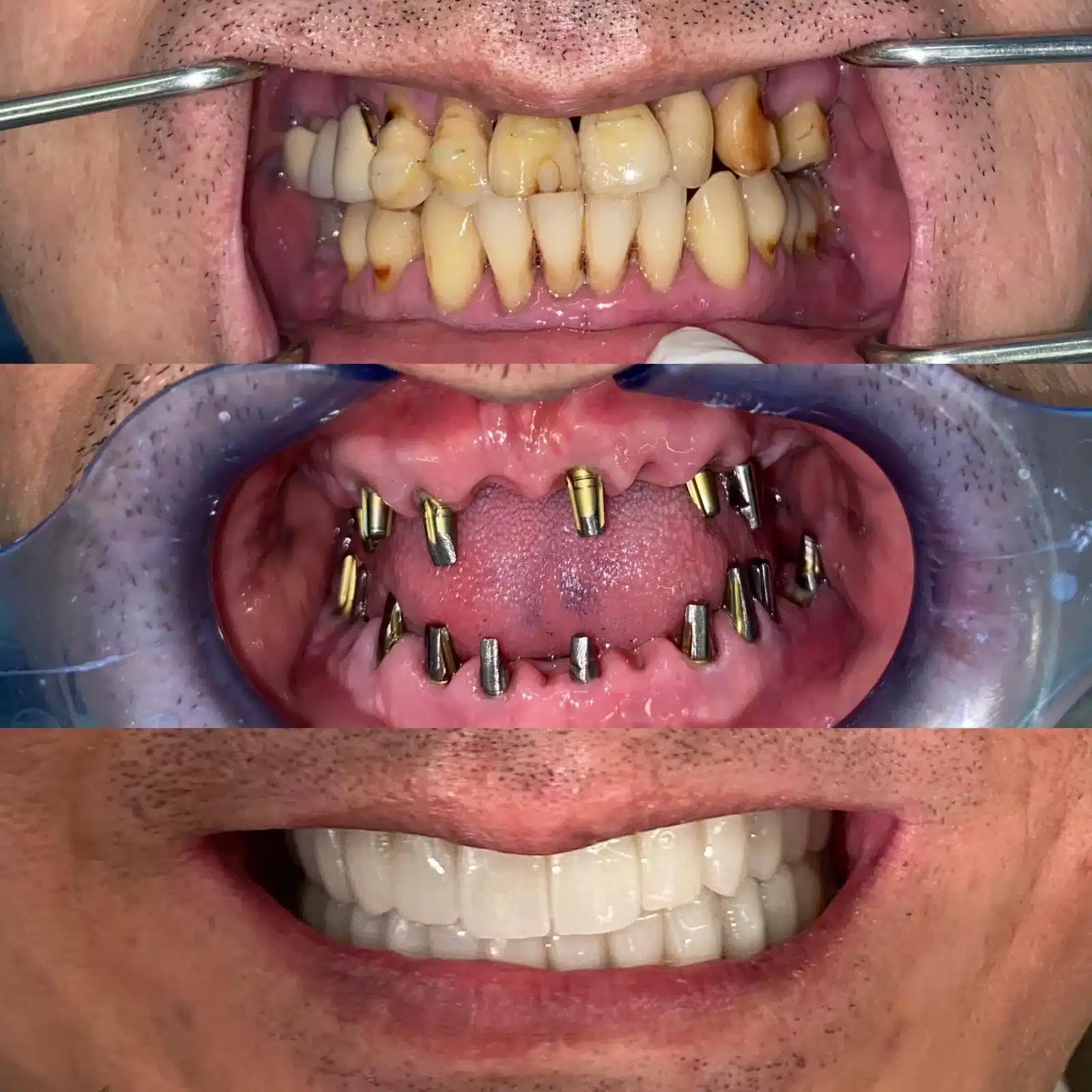
Turkey vs Mexico Dental Implants: Full Mouth Cost 2026
Full mouth dental implants — Turkey vs Mexico for US patients. Turkey from $10,500 all-inclusive, undercutting Mexico by roughly 19–30%.
Treatment Guide
Dental Treatment in Turkey vs Hungary: Cost, Standards and What to Weigh
Compare dental treatment in Turkey and Hungary on cost, EU patient rights and the real trade-offs of travel and aftercare.
Treatment Guide
Dental Treatment in Turkey vs Germany: Cost, Quality and What to Weigh
Compare dental treatment in Turkey and Germany on cost, accreditation standards and the real trade-offs of travel and aftercare.
Treatment Guide
Dental Treatment in Turkey vs Poland: Cost, Standards and What to Weigh
Compare dental treatment in Turkey and Poland on cost, EU patient rights and the real trade-offs of travel and aftercare.
Plan the next step clearly
Use this page as a decision-support guide, then move into quote review, treatment comparison, and travel planning with coordinator support.
Decision Context
Patients compare this treatment inside the trip around it
Treatment pages perform better when they acknowledge arrival flow, destination trust, and the recovery rhythm patients are trying to visualise before booking.

The provider decision starts with arrival confidence
Patients compare treatment pages while also asking how first-day logistics, transfers, and scheduling will actually work.

The destination still influences medical trust
A treatment page is stronger when it recognises that the city itself remains part of the decision frame for international patients.
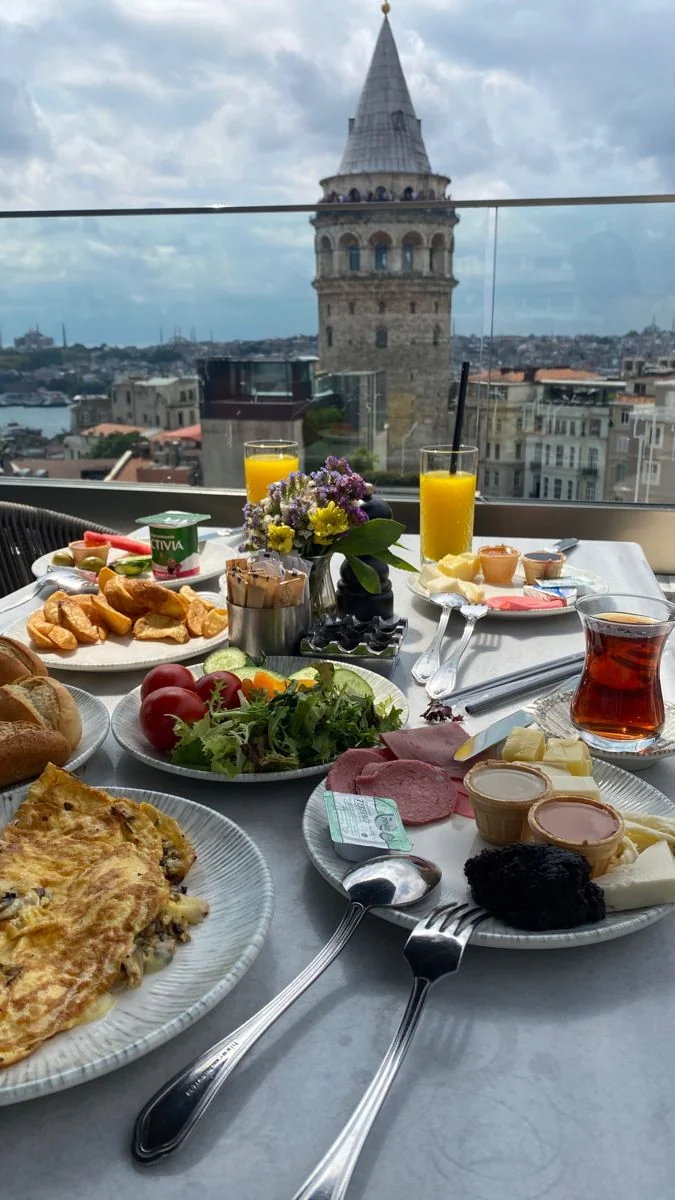
Recovery pacing changes how people evaluate options
Different procedures feel more or less realistic depending on how patients picture the slower hours between appointments.