Medically reviewed by Dt. Tunç Berge, MSc: Esthetic Dentistry & Implantology. Last reviewed June 2026
Is Dental Treatment in Turkey Safe? An Honest Look
- TEMOS-accredited clinics
- JCI-accredited hospitals
- Board-certified surgeons and a licensed clinical team
- 3,000+ international patients treated
An honest, balanced NexWell guide to whether dental treatment in Turkey is safe: what international accreditation and ISO/CE standards actually mean, the real risks worth knowing about: over-treatment, aftercare distance, cheap-package traps and the 'Turkey teeth' criticism, and a practical checklist of what to ask before you book.
Written quote from a NexWell coordinator, usually within 24 hours.

Quick answer
An honest, balanced NexWell guide to whether dental treatment in Turkey is safe: what international accreditation and ISO/CE standards actually mean, the real risks worth knowing about: over-treatment, aftercare distance, cheap-package traps and the 'Turkey teeth' criticism, and a practical checklist of what to ask before you book.
The Honest Answer
The honest answer is this: dental treatment in Turkey can be very safe, or genuinely risky, and the difference is almost entirely about which clinic and which dentist you choose, not the country itself. Turkey is not uniquely dangerous, and it is not a guaranteed bargain either.
It is a large market with thousands of clinics ranging from internationally accredited centres staffed by experienced specialists to high-volume 'tourist mills' that prioritise throughput over outcomes. Both exist, often in the same city.
That reality is uncomfortable for the marketing on either side. Some clinics imply that price is the only difference between Turkey and home, which is misleading. Some critics imply that all Turkish dentistry is reckless, which is equally false.
The defensible position is that the same procedures performed in the UK, Germany or the USA carry the same biological risks wherever they are done, and what changes the safety equation is the standard of the clinic, the qualifications of the clinician, the quality of the planning, and how aftercare is handled across distance.
It is worth saying plainly what no responsible clinic can promise. No one can guarantee a dental implant will integrate, that a crown will last a set number of years, or that you will have zero complications. Dentistry is a clinical service performed on living tissue, not a product with a fixed warranty.
Anyone promising a guaranteed result regardless of your individual case is selling, not informing.
It is a large market with thousands of clinics ranging from internationally accredited centres staffed by experienced specialists to high-volume 'tourist mills' that prioritise throughput over outcomes.
So the useful question is not 'Is Turkey safe?' but 'How do I tell a safe clinic from an unsafe one, and how do I reduce my own risk?' The rest of this page answers that directly: first the standards that signal quality, then the real risks that are too often glossed over, and finally a practical checklist you can use before you commit to anything.
Standards, Accreditation and Dentist Training
The strongest objective signals of a safe clinic are the standards it holds itself to. The most recognised international benchmark is JCI (Joint Commission International) accreditation: the same body that accredits leading hospitals worldwide.
JCI is awarded after a formal on-site survey, must be renewed every three years, and covers patient safety, infection control, medication safety and documented clinical processes. Note that accreditation usually attaches to the hospital or facility, so it is fair to ask exactly what is accredited and what that covers.
A second layer sits in the materials themselves. Reputable dental implant brands and the laboratories producing dental crowns, veneers and zirconia restorations are manufactured under ISO 13485, the international quality-management standard for medical devices, and carry the CE mark.
These standards mean a genuine implant or crown is made under a controlled, traceable process with documented risk management. A clinic that can name the system it uses and hand you the manufacturer's documentation is operating differently from one that cannot.
Dentist training is the third pillar, and arguably the most important. Turkey has a long-established dental education system, and many of its specialists train or work internationally. The relevant questions are specific: Is the clinician who will treat you a specialist in the discipline your case needs, for example periodontology before implants, or prosthodontics for full-arch work?
How many cases like yours have they done? Are they registered with the Turkish authorities, and can you see their credentials in advance? A named, qualified, verifiable clinician is a safety signal; an anonymous 'our doctors' is not.
Finally, look for clinical rigour in the plan itself. Safe complex dentistry starts with proper diagnostics: a CBCT scan for implant cases, an assessment of bone density, and screening for periodontal disease before anything is placed.
A clinic that diagnoses thoroughly and explains the biology of osseointegration before quoting a price is showing you its standards in action.
Treatment Plan
Ready for a written Is Dental Treatment in Turkey Safe? An Honest Look quote?
A NexWell coordinator reviews your case and replies with a personalised treatment plan and indicative pricing — usually within 24 hours.
The Real Risks: Said Plainly
Being fair about Turkey means being honest about what can go wrong. These risks are real, they are documented, and the better clinics actively work against them, but you should know them before you travel.
The first and most discussed risk is over-treatment.
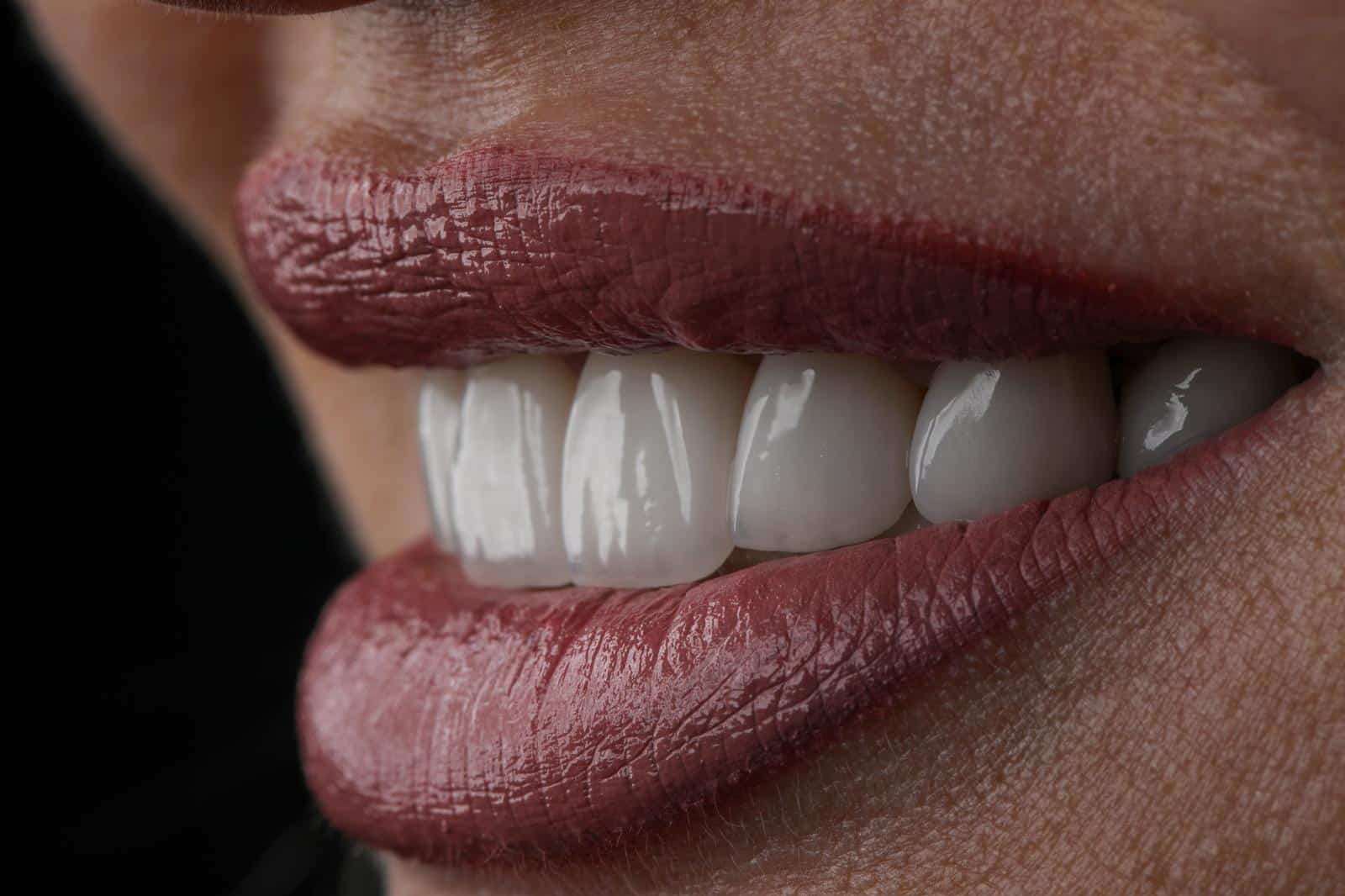
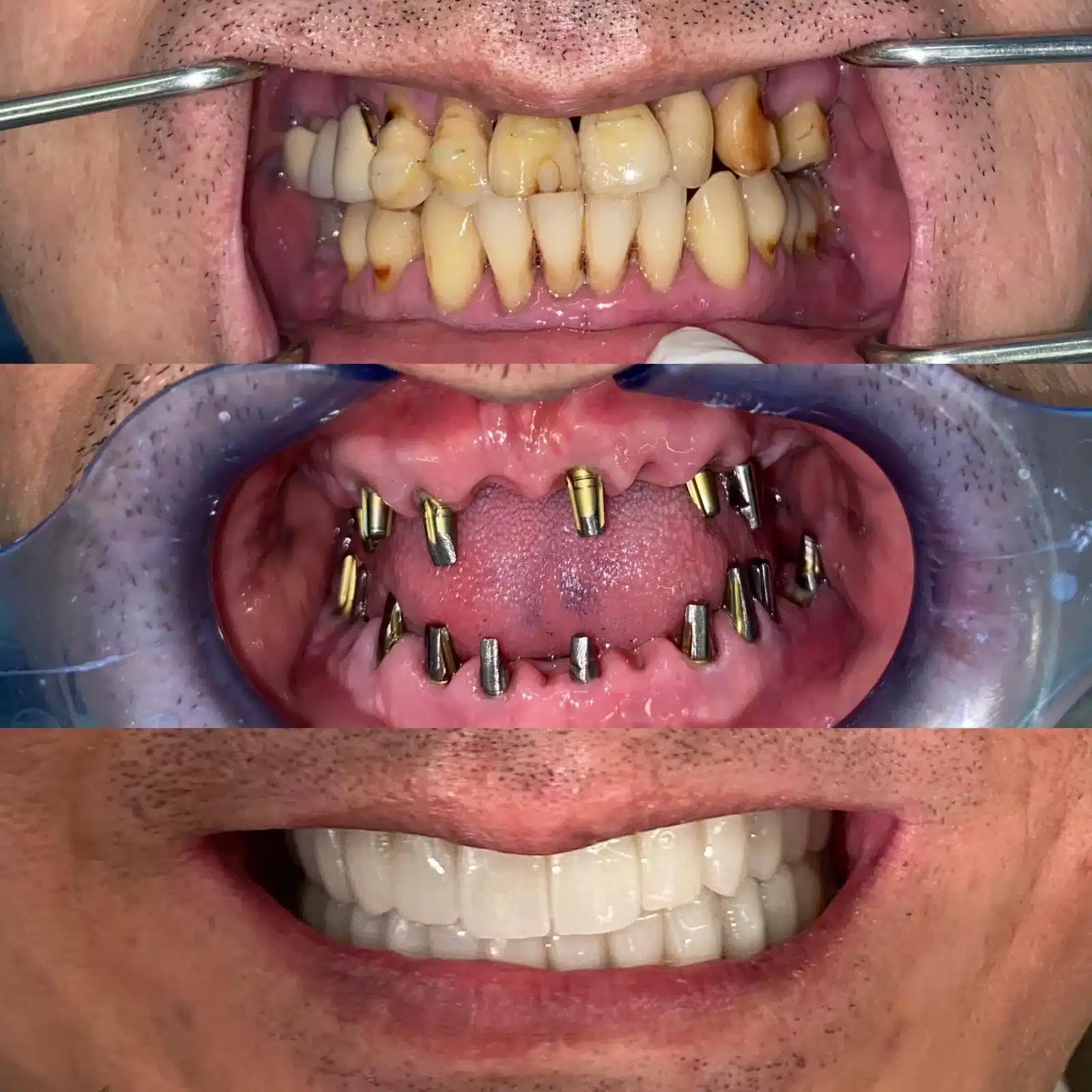
The 'Turkey teeth' criticism that circulates in the media is, at its core, a criticism of unnecessary aggressive treatment: healthy teeth being ground down for full sets of crowns when a more conservative path: clear aligners, composite dental bonding, teeth whitening or minimal veneers: would have achieved the cosmetic goal with far less irreversible damage.
Once enamel is removed to fit crowns it does not grow back, and an over-prepared tooth can later need a root canal or even extraction. This is not a Turkey-specific phenomenon, over-treatment happens everywhere, but high-volume cosmetic packages can create a commercial incentive to recommend the biggest intervention.
The defence is conservatism: a clinic that offers you the least invasive option that solves your problem is protecting you, even when it earns them less.
The second risk is aftercare across distance. Dentistry does not end when you fly home. Implants need monitoring as they heal, and unmanaged inflammation around an implant, peri-implantitis, is a genuine cause of late failure, which is precisely why ongoing implant aftercare matters.
If a complication arises weeks or months later and you are a flight away from the treating clinic, the question of who handles it, and at whose cost, becomes very real. A safe plan addresses this in writing before you travel, not after.
The third risk is the cheap-package trap. Headline 'all-inclusive' prices that bundle hotel, transfers and treatment can obscure what is actually being delivered: cheaper unbranded implant systems substituted for the named brand, corners cut on diagnostics, or rushed timelines that compress healing windows that biology will not compromise on.
An unrealistically low price is information: it tells you the clinic is competing on cost, and something usually gives to fund that.
The fourth is rushed, compressed treatment. Some packages promise a full mouth of new teeth in a few days. For genuinely complex work, biology sets the pace: a bone graft needs months to mature, and even where immediate loading is appropriate, it is a clinical decision made from a scan, not a marketing default.
A timeline driven by your flight rather than your healing is a warning sign.
How to Reduce Your Risk
You cannot eliminate the risk of dental treatment anywhere, but you can dramatically reduce it by treating the choice of clinic as a due-diligence exercise rather than a price comparison. The single most useful habit is to ask specific questions and expect specific, written answers.
On the clinical plan, ask: Who exactly will treat me, what is their specialty, and can I see their credentials? What does my diagnosis show, and can I have a copy of the CBCT scan and treatment plan? Why is this treatment being recommended over a more conservative alternative such as a root canal to save a tooth?
Which implant system or restoration material will be used, by name, and will I get the manufacturer's documentation? A clinic confident in its standards answers these readily; evasiveness is itself an answer.
On aftercare and accountability, ask: What guarantee or warranty applies, what does it actually cover, and what voids it? If something goes wrong after I fly home, who manages it, how, and who pays?
Reputable clinics offer written guarantees on workmanship and materials, but a guarantee is only as good as the clarity of its terms and the clinic's willingness to honour it across borders: read what is excluded as carefully as what is promised.
On documentation, insist on a written, itemised treatment plan and quote before you commit: one that lists every procedure, every material, the number of visits, and what is and is not included. A documented plan you can take to a dentist at home for a second opinion is one of the strongest safety tools you have, and any clinic that discourages a second opinion is telling you something.
Finally, use independent reviews critically. Look for reviewers who describe their actual treatment, show before-and-after detail, and ideally report back months later. Where your case is complex: full-arch work, grafting, or treatment after periodontal disease: the depth of the planning conversation tells you more than any review.
Red Flags to Walk Away From
Some signals reliably separate clinics worth considering from those worth avoiding. Treat any of the following as a reason to slow down and ask harder questions, and several together as a reason to walk away.
Walk away from guaranteed outcomes. Any clinic promising a complication-free result, or that your implants will 'definitely' last a fixed number of years regardless of your individual case, is making a claim no honest clinician can support.
Be wary of a diagnosis without imaging. Being quoted for implants, full-mouth dental crowns or a Hollywood smile before any scan or proper examination means the recommendation is commercial, not clinical. Real plans follow real diagnostics.
Distrust pressure and artificial urgency. 'This price is only valid today,' aggressive deposit demands, or pushing you to book travel before you have a written plan are sales tactics, not clinical care.
Question the recommendation to crown healthy teeth. If you asked about whitening or straightening and were steered toward grinding down sound teeth for a full set of crowns, that is the over-treatment pattern at the heart of the 'Turkey teeth' criticism. Ask why a conservative option such as clear aligners or veneers was ruled out.
Be cautious of anonymity and vagueness. No named clinician, no specialty stated, no implant brand named, no written quote, and no clear aftercare plan are each individually concerning. Together they describe a clinic competing on price and volume: exactly the profile in which avoidable harm tends to occur. None of these red flags is unique to Turkey; they are the same warning signs you would heed at home.
Vetted partner network
NexWell coordinates with TEMOS-accredited clinics or Ministry of Health–licensed facilities in Turkey.
Board-certified review
Content reviewed by Dt. Tunç Berge — Turkish Dental Association (TDB).
No obligation
Get your Is Dental Treatment in Turkey Safe? An Honest Look plan
Send your case and a coordinator returns a written plan and an indicative quote — usually within a day.
Questions Patients Ask Before They Commit
Related reading
Treatment Guide
Dental Implant Brands Compared: Straumann, Nobel Biocare, Osstem & Astra Tech
Compare major dental implant brands on origin, segment, case suitability and how to read warranty claims honestly.
Treatment Guide
Dental Implant Healing and Aftercare: What to Expect
Recovery timeline, what to eat, hygiene, warning signs to call your clinic, and why smoking affects healing.
Treatment Guide
Gum Disease and Implants: Periodontal Treatment Before You Start
Why gum disease must usually be treated before implants: gingivitis vs periodontitis, treatment, peri-implantitis and prevention.
dental
Dental Implants in Turkey
Replace a single tooth or your entire smile with premium dental implants in Istanbul. Same brands as London specialists, a fraction of the cost. 5-day treatment packages. TEMOS-accredited dental clinics.
Plan the next step clearly
Use this page as a decision-support guide, then move into quote review, treatment comparison, and travel planning with coordinator support.
Decision Context
Patients compare this treatment inside the trip around it
Treatment pages perform better when they acknowledge arrival flow, destination trust, and the recovery rhythm patients are trying to visualise before booking.

The provider decision starts with arrival confidence
Patients compare treatment pages while also asking how first-day logistics, transfers, and scheduling will actually work.

The destination still influences medical trust
A treatment page is stronger when it recognises that the city itself remains part of the decision frame for international patients.

Recovery pacing changes how people evaluate options
Different procedures feel more or less realistic depending on how patients picture the slower hours between appointments.
References
- Joint Commission International: Hospital & Ambulatory Health Care Accreditation Programs
- Diaz-Flores-Garcia V et al.: What is the prevalence of peri-implantitis? A systematic review and meta-analysis (BMC Oral Health, PMC)
- Current Status of Peri-Implant Diseases: A Clinical Review for Evidence-Based Decision Making (PMC)
- ISO 13485: Medical devices: Quality management systems requirements for regulatory purposes (ISO)