
The provider decision starts with arrival confidence
Patients compare treatment pages while also asking how first-day logistics, transfers, and scheduling will actually work.
 JCI-accredited hospitals
 TEMOS-accredited clinics
Limb lengthening (also searched as leg lengthening or height-increase surgery) gradually stretches the femur or tibia using an internal nail, a temporary external fixator, or both together. Turkey's orthopaedic centres offer both LON and fully internal Precice/Fitbone techniques at a fraction of UK or US private pricing, though the honest trade-off is a long, physiotherapy-heavy recovery rather than a quick cosmetic fix.
Quick answer
Limb lengthening surgery in Turkey typically costs $18,000–$45,000 per leg segment using LON or Precice/Fitbone nails, compared with roughly $75,000–$150,000 or more in the UK and USA. Most patients gain 5–8cm per femur or tibia, stay in Turkey around 8–12 weeks for the supervised distraction phase, and complete consolidation at home under remote monitoring over the following months.
Limb lengthening surgery gradually increases the length of the femur (thigh bone) or tibia (shin bone) by cutting the bone and slowly separating the two ends, typically by about 1mm per day, so new bone forms in the gap. It is used both for medically indicated limb-length discrepancy and, increasingly, for cosmetic height increase.
The procedure is long and demanding compared with most orthopaedic surgery: the operation itself is only the starting point, and the real outcome depends on device choice, daily physiotherapy discipline, and how carefully the distraction rate is monitored over several months.
LON (Lengthening Over Nail) combines an internal intramedullary nail with a temporary external fixator that drives the daily distraction; the fixator is typically removed after 2–3 months once the target length is reached, leaving only the nail in place for consolidation. It is the most widely quoted option in Turkey and costs meaningfully less than a fully internal system.
Precice and Fitbone are fully internal, motorised or magnetic nails controlled by an external remote, so there is no visible frame and a lower reported infection risk since there are no pin sites through the skin. They cost more but are generally more comfortable day-to-day during the lengthening phase.
External fixator alone (Ilizarov-style frames) is the oldest and least expensive method, still used in some complex or revision cases, but it means wearing a visible external frame for the entire lengthening and consolidation period, with a materially higher risk of pin-site infection. Most Turkish clinics now position this as a fallback rather than a first-line option for straightforward cosmetic cases.
Surgery itself takes a few hours per segment. The distraction phase then runs roughly 60–90 days, during which the device is adjusted to lengthen the bone by about 1mm per day, alongside daily physiotherapy to protect joint range of motion.
Most surgeons recommend staying in Turkey for this entire distraction phase - commonly 8–12 weeks - so lengthening speed and joint stiffness can be monitored in person; going home earlier is sometimes possible but increases reliance on a local orthopaedic team for X-rays and adjustment decisions.
After target length is reached, the new bone needs to harden during consolidation, which takes another 6–12 months or longer, with the internal nail (or frame) usually removed in a second, much smaller procedure once bone density is confirmed on imaging.
Limb lengthening is a real orthopaedic procedure with real risks, not a routine cosmetic add-on, and no credible clinic should present it as risk-free.
Documented risks include pin-site or surgical-site infection, nerve or blood-vessel irritation from the stretching (which can cause tingling, numbness, or in rare cases lasting nerve injury), joint stiffness or contracture if physiotherapy is inconsistent, delayed or premature bone consolidation, and hardware-related complications requiring further surgery.
Recovery is also a significant life disruption: the consolidation phase commonly runs 6–12 months, and physically demanding work or sport is usually delayed well beyond that.
Because a meaningful share of patients seeking this surgery are pursuing height increase rather than correcting a medical discrepancy, reputable providers should build in a psychological readiness conversation before booking - to check that expectations, motivation, and understanding of the recovery burden are realistic, not just the desired centimetre gain.
Turkey has a high concentration of orthopaedic surgeons with dedicated limb-lengthening case volume, offering both LON and internal-nail (Precice/Fitbone) options at substantially lower prices than UK or US private providers who mostly only offer the internal-nail route.
The main value is not just price: it is being able to compare technique, surgeon experience, and physiotherapy support structure rather than defaulting to whichever single method a home-country provider happens to offer.
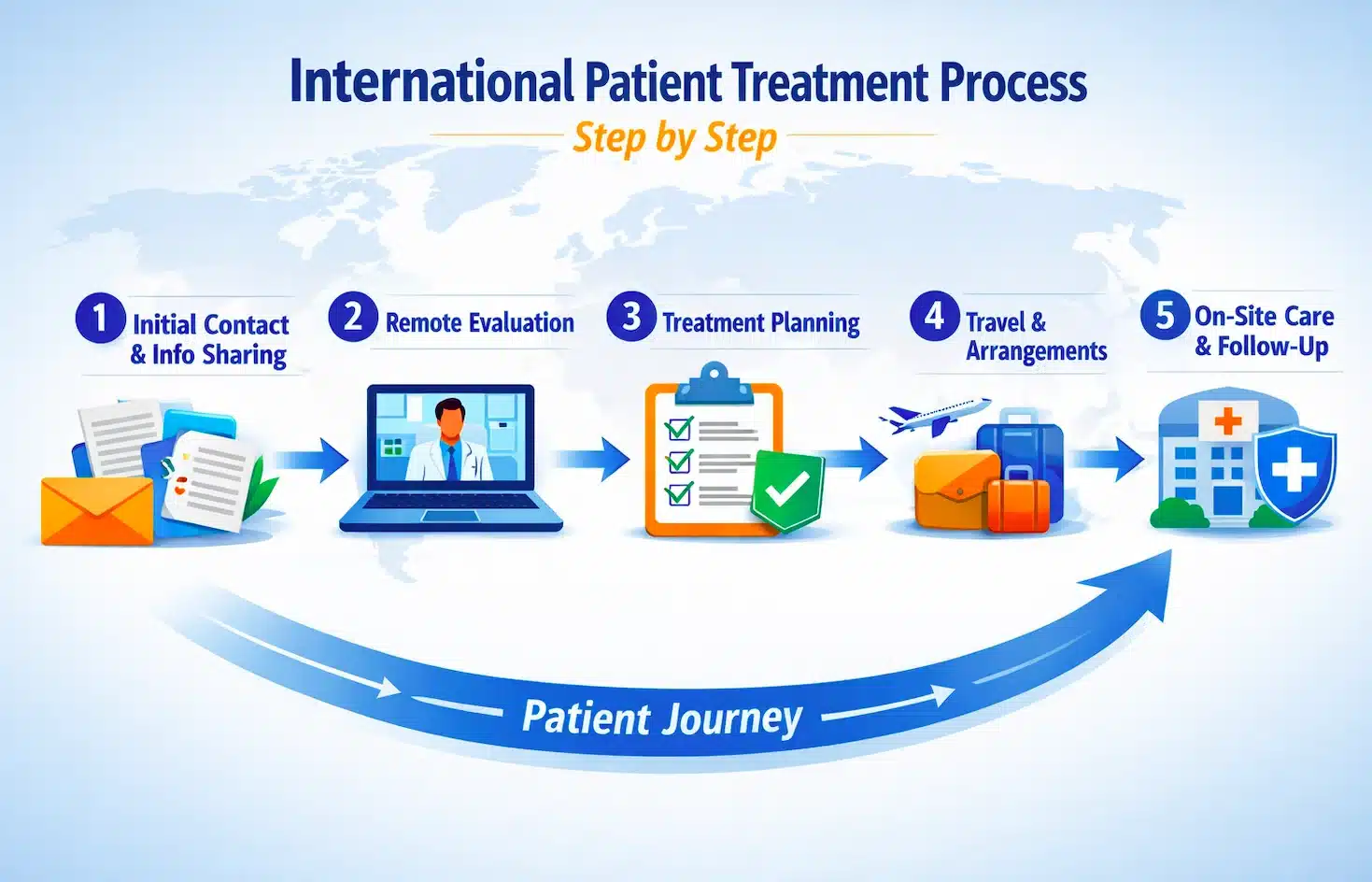
X-rays and limb-alignment imaging are reviewed, target height gain and technique (LON vs Precice/Fitbone) are discussed, and candidacy - including psychological readiness - is confirmed before booking.
The bone is cut and the chosen device is fitted under general anaesthesia, followed by 2–4 nights of hospital monitoring and pain control.
The device is adjusted daily (around 1mm/day) with regular X-rays and daily physiotherapy to protect joint range of motion; most patients remain in Turkey for this phase.
Once target length and early bone formation are confirmed, patients are cleared to travel home with the device still in place for the consolidation phase.
A local orthopaedic contact monitors consolidation via imaging shared remotely; the internal nail or frame is removed in a smaller second procedure once bone density is confirmed.
LON Method (per segment - femur or tibia)
🇹🇷 Turkey
$18,000–$28,000
🇺🇸 USA
Rarely offered (internal nail preferred)
🇬🇧 UK: Rarely offered (internal nail preferred)
Precice / Fitbone Internal Nail (per segment)
🇹🇷 Turkey
$28,000–$45,000
🇺🇸 USA
$100,000–$150,000
🇬🇧 UK: $76,200–$120,650
Bilateral Lengthening (both legs, same admission)
🇹🇷 Turkey
$45,000–$85,000
🇺🇸 USA
$180,000–$300,000
🇬🇧 UK: $190,500–$279,400
Prices vary widely by clinic, device brand, and whether one or both legs are treated - treat these as indicative ranges clinics commonly quote rather than fixed prices, and always confirm a current quote directly before booking.
Prices updated: September 2026
No obligation
Send your case and a coordinator returns a written plan and an indicative quote, usually within a day.
Decision Context
Procedure details matter, but international patients also evaluate arrival flow, recovery rhythm, and whether the destination around care feels understandable enough to trust.
Patients compare treatment pages while also asking how first-day logistics, transfers, and scheduling will actually work.

A treatment page is stronger when it recognises that the city itself remains part of the decision frame for international patients.
Different procedures feel more or less realistic depending on how patients picture the slower hours between appointments.
Share your imaging, target height gain, and availability to receive a structured opinion on technique choice, realistic timeline, and estimated pricing.
I saved over £12,000 on my dental implants. NexWell handled everything from airport pickup to aftercare.