Medically reviewed by Dt. Tunç Berge, MSc: Esthetic Dentistry & Implantology. Last reviewed June 2026
Dentures vs Dental Implants: Which Is Right for You?
- TEMOS-accredited clinics
- JCI-accredited hospitals
- Board-certified surgeons and a licensed clinical team
- 3,000+ international patients treated
A NexWell decision guide comparing dentures and dental implants for missing teeth: how they differ on stability, bone preservation, cost, maintenance and longevity, who tends to suit each option, and how a 3D scan turns the choice into a clinical decision rather than a guess.
Written quote from a NexWell coordinator, usually within 24 hours.
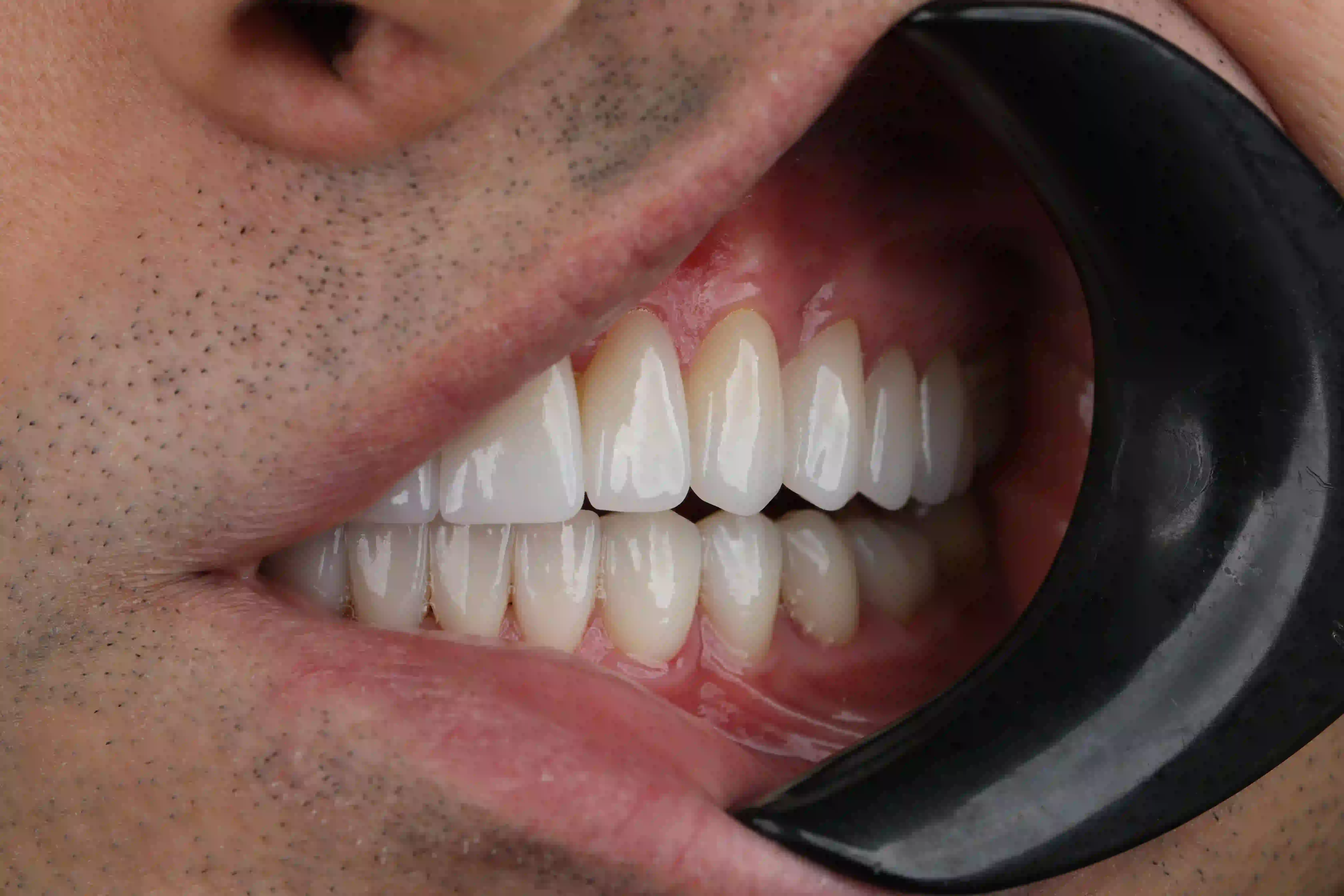
Quick answer
A NexWell decision guide comparing dentures and dental implants for missing teeth: how they differ on stability, bone preservation, cost, maintenance and longevity, who tends to suit each option, and how a 3D scan turns the choice into a clinical decision rather than a guess.
What Are the Options for Replacing Missing Teeth?
If you have lost some or all of your teeth, two routes dominate the conversation: removable dentures and dental implants. They solve the same core problem, restoring the ability to chew, speak and smile, but they do so in fundamentally different ways, and that difference is what this page is about.
Dentures are removable appliances that sit on the gums and, in the upper jaw, are partly held by suction. A full denture replaces an entire arch of missing teeth; a partial denture fills gaps while clasping onto the teeth that remain. They are taken out for cleaning and, conventionally, overnight. Dentures are a long-established, non-surgical option that can be made comparatively quickly and at a lower up-front cost.
Dental implants take a different approach. A small titanium post is placed into the jawbone, where it fuses with the bone through a biological process called osseointegration. Once integrated, the implant acts as an artificial tooth root and supports a fixed crown, bridge or full arch on top via a connector known as an abutment.
Implants do not come out at night; they function much like natural teeth.
Dentures are removable appliances that sit on the gums and, in the upper jaw, are partly held by suction.
There is also a middle ground worth naming up front: implant-supported dentures, or overdentures. Here a small number of implants anchor a denture so it clips firmly into place rather than relying on suction. This blends the lower cost of a removable appliance with much of the stability of implants, and for many people it is the practical answer rather than choosing one extreme.
The right choice is not the same for everyone. It depends on how much healthy bone density you have, your general health, your budget, how much surgery you are willing to undergo, and what you most want from the result. The sections below compare the two head to head, then describe who each option tends to suit.
Dentures vs Dental Implants: Compared
The table below summarises the practical differences across the factors most people weigh up. These are general patterns, not promises about your individual case: your own outcome depends on your anatomy and is best judged from a clinical assessment.
Factor
Dentures
Dental implants
Stability and chewing
Rest on the gums; can move or click, especially lower dentures; chewing force is reduced
Fixed into bone; feel and function close to natural teeth; full chewing force restored in most cases
Bone preservation
Do not stimulate the jaw, so the bone underneath gradually resorbs over the years
Transmit chewing force into the jaw, which helps preserve bone in the area around each implant
Cost (up front)
Lower initial cost; non-surgical
Higher initial cost; surgical procedure with components and lab work
Maintenance
Removed for daily cleaning and usually overnight; periodic relining and replacement as the gums change shape
Cleaned in place like natural teeth; routine hygiene visits; the implant itself rarely needs removal
Longevity
Typically remade or relined every several years as fit changes
Designed to last many years; the post is often very long-lasting when well maintained, though the crown may be renewed over time
A few clarifications on the table. "Bone preservation" is the single biggest structural difference: because dentures sit on top of the gum without loading the bone, the ridge underneath slowly shrinks, which is why dentures need relining and why a long-term denture wearer can later be told there is not enough bone for straightforward implants.
Implants, by transmitting force into the jaw, help slow that loss locally.
On longevity, no responsible clinic guarantees that any restoration lasts forever. Implant survival is high in well-selected, well-maintained patients, but failures do occur, often linked to smoking, uncontrolled diabetes, poor hygiene or peri-implantitis, an inflammatory condition around an implant.
The honest comparison is not "permanent vs temporary" but "longer-lasting and bone-protective vs lower-cost and removable."
Finally, cost and value are not the same thing. Dentures win on up-front price; implants are often argued to be more cost-effective over a long horizon because they protect bone and need less frequent remaking. Which matters more depends entirely on your circumstances.
Treatment Plan
Ready for a written Dentures vs Dental Implants: Which Is Right for You? quote?
A NexWell coordinator reviews your case and replies with a personalised treatment plan and indicative pricing — usually within 24 hours.
Who Tends to Suit Dentures
Dentures remain a sound, sometimes preferable, choice for a large number of people: they are not simply the "budget option." They tend to suit you well in several situations.
When up-front cost is the deciding factor, dentures offer a complete arch of teeth at a fraction of the initial price of a full set of implants. For someone who needs a working set of teeth now and for whom surgery is not affordable, a well-made denture is a legitimate and dignified solution rather than a compromise to apologise for.
When bone is severely deficient, dentures fit even where there is too little jawbone for implants without major reconstruction. An implant route in that situation might require a bone graft, a sinus lift in the upper back jaw, or in extreme cases zygomatic implants anchored in the cheekbone.
A denture sidesteps all of that surgery.
When general health makes surgery unwise, dentures avoid an operation altogether. For patients with certain medical conditions, medications affecting healing, or who simply do not want surgery, a removable appliance is the lower-risk path. Active gum disease also has to be controlled before any implant plan, which is not a barrier in the same way for dentures.
When flexibility and speed matter, dentures can usually be provided faster than the months an implant can take to integrate, and a partial denture is an easy way to fill gaps without involving the remaining teeth surgically.
Many people also choose an implant-supported overdenture as a halfway house: a denture clipped onto a few implants for far more stability than a conventional plate, at less cost than a full fixed arch.
Who Tends to Suit Dental Implants
Dental implants tend to be the stronger choice when stability, bone preservation and a fixed, natural-feeling result are high priorities, and when the conditions for surgery are favourable.
If you want teeth that do not move, implants are hard to beat. A fixed implant restoration restores close to natural chewing force and does not click, shift or need adhesive. People who have struggled with a loose lower denture, or who never adapted to a removable plate, are often far happier with a fixed solution.
Options range from a single implant and crown to full-arch plans such as All-on-4, All-on-6 or full mouth dental implants.
If preserving your jawbone matters to you, implants are the option that actively helps. By loading the bone the way natural roots do, they slow the resorption that hollows the jaw and changes facial shape over years of denture wear. This is a particularly relevant consideration for younger patients who have decades of bone health ahead of them.
Good candidacy usually means having enough healthy bone: confirmed on a CBCT scan rather than a flat X-ray, or being suitable for grafting, having controlled gum health, not being a heavy smoker, and any conditions such as diabetes being well managed.
Where bone is moderately limited, short implants or grafting may still make implants viable. In selected cases, surgeons can also plan immediate loading so a provisional set of fixed teeth is fitted soon after placement, though this is assessed individually and not promised for everyone.
Implants also let you separate structure from cosmetics. Once a stable foundation is in place, the appearance of the visible teeth: material choice, shade, even a wider Hollywood smile design or veneers on adjacent natural teeth: becomes a distinct conversation.
Patients commonly ask how implant materials compare too, for example zirconia versus titanium or how the major dental implant brands differ.
Cost and Longevity: Indicative Ranges
Cost is usually where the decision becomes concrete, so it helps to compare honestly. Dentures carry a markedly lower up-front cost because they are non-surgical and quicker to make. Implants cost more initially because the fee covers surgery, the implant components, the abutment and the final crown, bridge or arch, plus diagnostics and follow-up.
As an indicative guide, both dentures and implant treatment in Turkey are typically a fraction of the equivalent fee in the USA, UK or Australia, but the only meaningful figure is a written, itemised quote produced after an examination and imaging.
Longevity changes the value picture. Dentures generally need relining and remaking every several years as the gum ridge resorbs and the fit loosens. A well-integrated implant post is frequently very long-lasting, with the crown on top renewed over a longer cycle if needed.
This is why implants are often argued to be more cost-effective over a long horizon, even though they cost more on day one, though this is a general pattern, not a guarantee for any individual.
A complete implant quote should make the scope explicit: how many implants are planned, the system used, the abutment and final restoration material, whether any bone graft: such as an autograft or xenograft, or sinus work is included or billed separately, plus diagnostics, medication and follow-up.
A denture quote should state the type, the material and the expected relining and replacement intervals.
All figures are indicative ranges and vary by case, and outcomes vary between patients. The reliable way to compare the two options for your own mouth is a clinical assessment and a 3D scan, followed by two written, itemised plans, one for dentures, one for implants, that you can weigh side by side.
Vetted partner network
NexWell coordinates with TEMOS-accredited clinics or Ministry of Health–licensed facilities in Turkey.
Board-certified review
Content reviewed by Dt. Tunç Berge — Turkish Dental Association (TDB).
5.0★ from real patients (5 reviews)
“I was told by two dentists at home that I didn't have enough bone. They did the graft and implants in one trip. Six months later I came back for the final crowns. Incredible team.” — Mark T., Dublin, Ireland
No obligation
Get your Dentures vs Dental Implants: Which Is Right for You? plan
Send your case and a coordinator returns a written plan and an indicative quote — usually within a day.
Questions Patients Ask Before They Commit
Related reading
dental-treatments
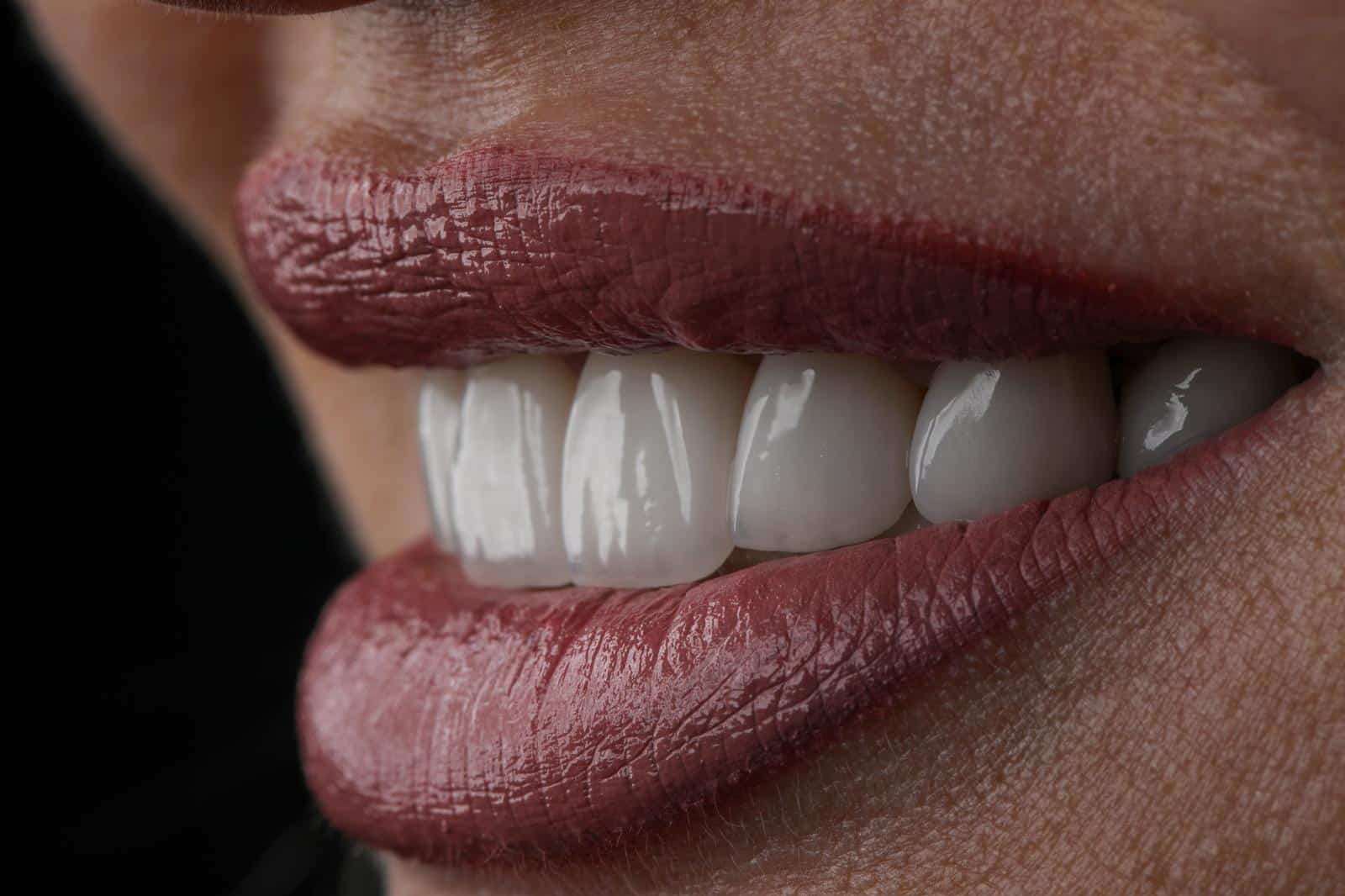
Full Mouth Dental Implants Turkey: Planning, Cost Logic and Case Selection
A buyer-focused guide to full mouth dental implants in Turkey, including who qualifies, what changes the budget, and how to compare All-on-4, All-on-6, and staged rehabilitation.
dental
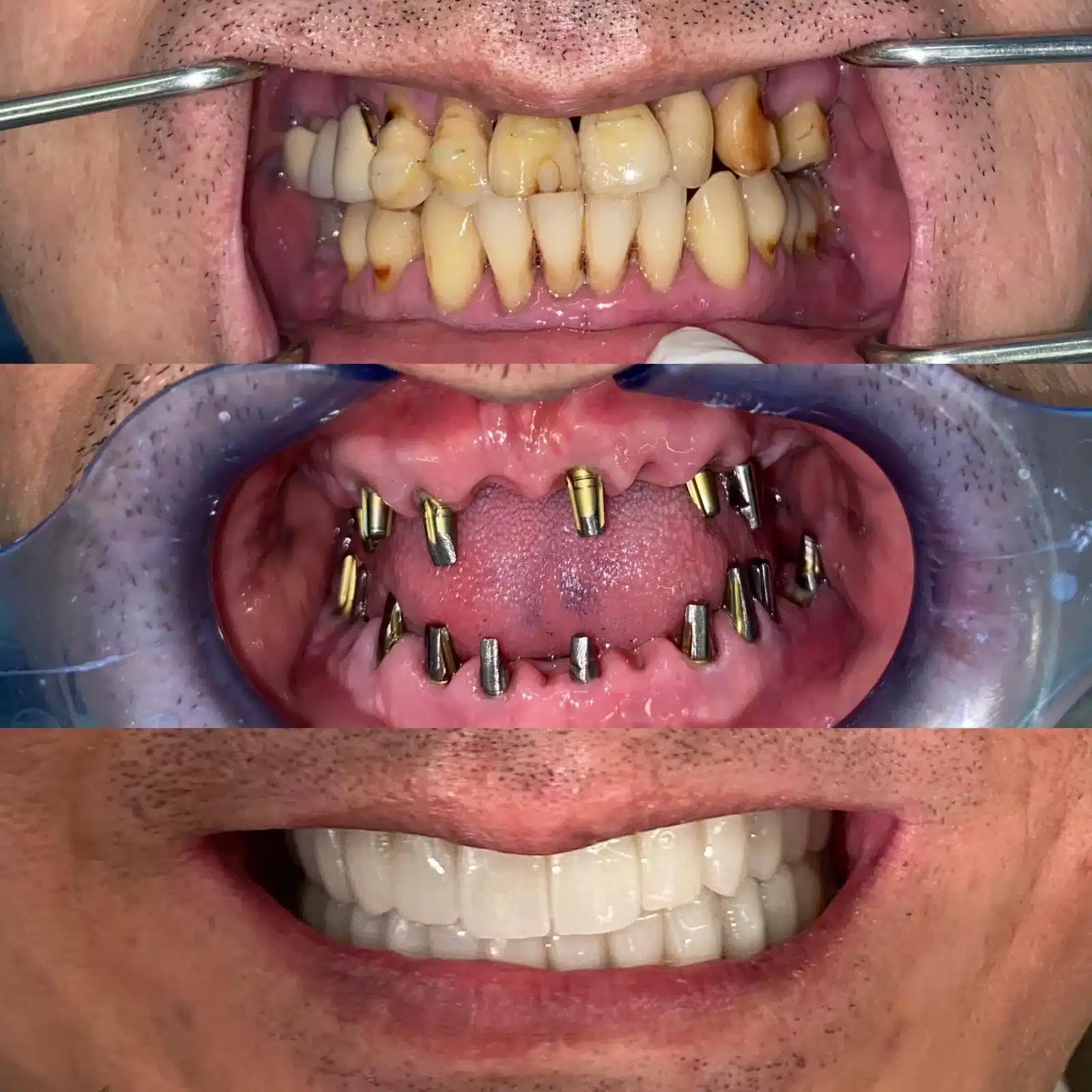
Dental Implants in Turkey
Replace a single tooth or your entire smile with premium dental implants in Istanbul. Same brands as London specialists, a fraction of the cost. 5-day treatment packages. TEMOS-accredited dental clinics.
dental
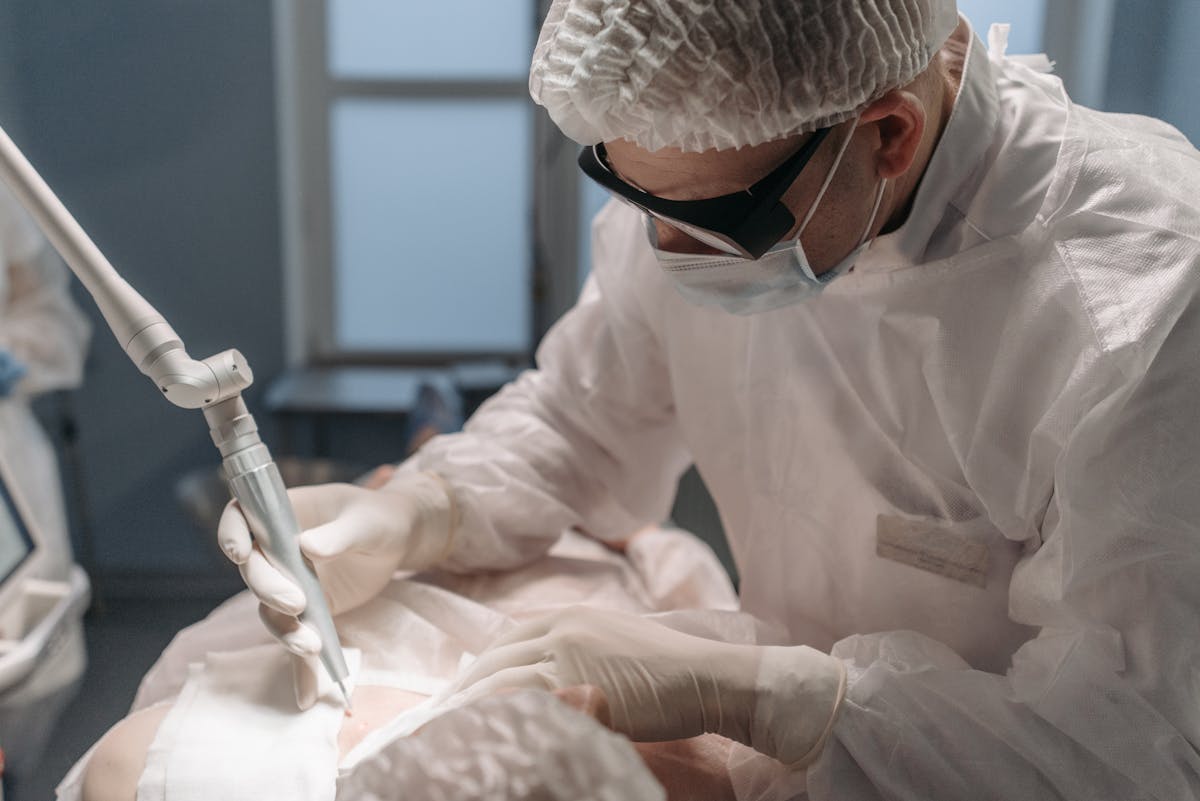
All-on-4 Dental Implants in Turkey
Complete full-arch restoration anchored by just four strategically placed implants: often delivered as same-day teeth. Save up to 90% compared to UK and US prices, without compromising on quality or safety.
Treatment Guide
Jawbone Density and Dental Implants: When There's Not Enough Bone
How bone is measured on CBCT, why it is lost, and solution paths — grafting, sinus lift, short implants or zygomatic anchorage.
Plan the next step clearly
Use this page as a decision-support guide, then move into quote review, treatment comparison, and travel planning with coordinator support.
Decision Context
Patients compare this treatment inside the trip around it
Treatment pages perform better when they acknowledge arrival flow, destination trust, and the recovery rhythm patients are trying to visualise before booking.

The provider decision starts with arrival confidence
Patients compare treatment pages while also asking how first-day logistics, transfers, and scheduling will actually work.

The destination still influences medical trust
A treatment page is stronger when it recognises that the city itself remains part of the decision frame for international patients.

Recovery pacing changes how people evaluate options
Different procedures feel more or less realistic depending on how patients picture the slower hours between appointments.