Medically reviewed by Dt. Tunç Berge, MSc: Esthetic Dentistry & Implantology. Last reviewed June 2026
Types of Braces Explained: Metal, Ceramic, Lingual and Self-Ligating
- TEMOS-accredited clinics
- JCI-accredited hospitals
- Board-certified surgeons and a licensed clinical team
- 3,000+ international patients treated
A NexWell planning guide to the main types of fixed braces, metal, ceramic, lingual and self-ligating, comparing visibility, comfort, cost and the cases each one suits, how braces differ from clear aligners, and what treatment indicatively costs in Turkey versus abroad.
Written quote from a NexWell coordinator, usually within 24 hours.
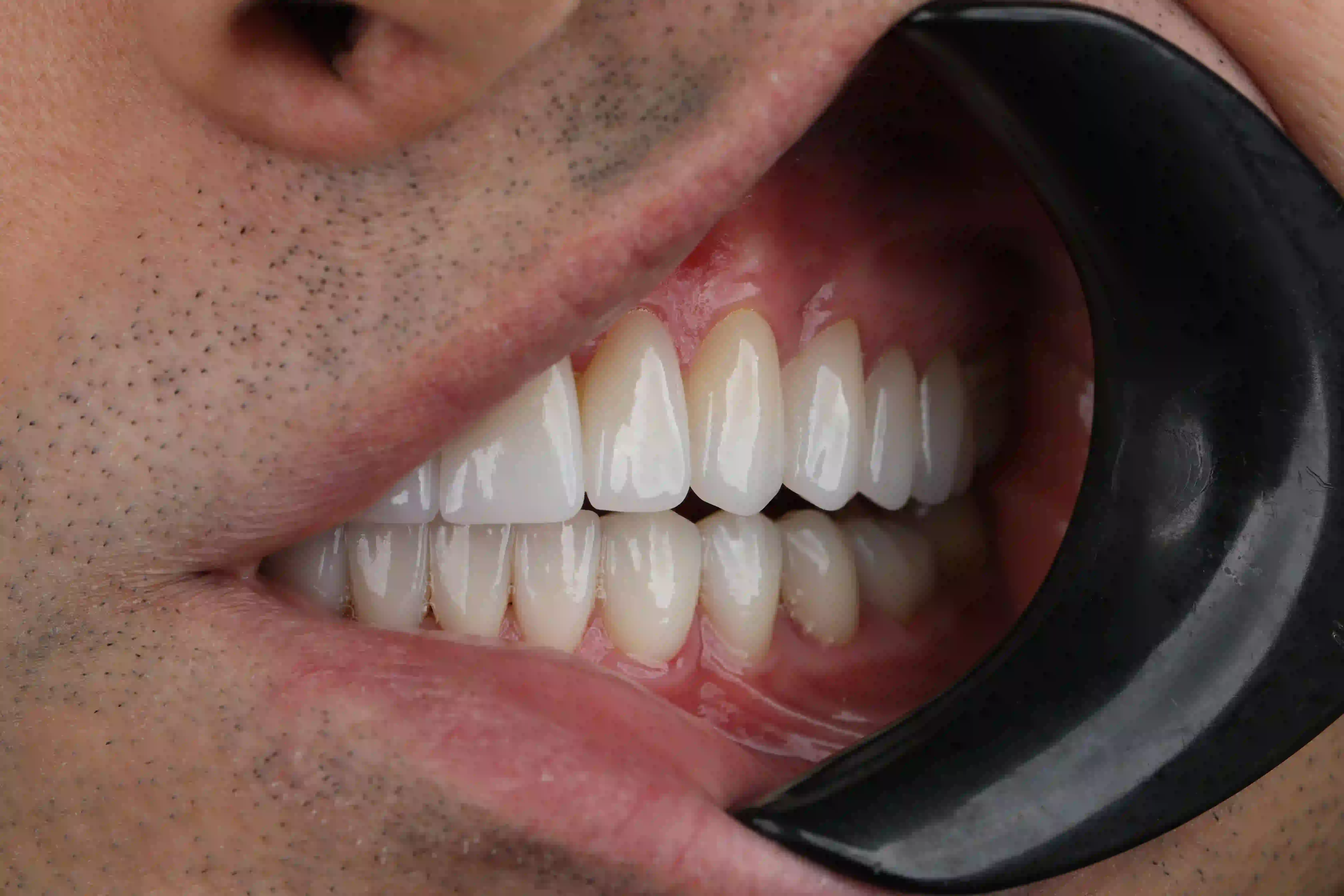
Quick answer
A NexWell planning guide to the main types of fixed braces, metal, ceramic, lingual and self-ligating, comparing visibility, comfort, cost and the cases each one suits, how braces differ from clear aligners, and what treatment indicatively costs in Turkey versus abroad.
What Are Braces, and How Do They Move Teeth?
Braces are fixed orthodontic appliances that gradually move teeth into a healthier, straighter position. The principle is the same across every type: small brackets are bonded to each tooth, an archwire runs through those brackets, and the controlled, continuous pressure of that wire prompts the bone around each root to remodel so the tooth can shift.
This is a biological process, not a mechanical one, the bone slowly rebuilds around the moving tooth, which is why orthodontic treatment is measured in months rather than weeks.
Braces exist to correct what dentists call malocclusion: crowding, spacing, rotations, and bite problems such as overbite, underbite, crossbite and open bite. Left unaddressed, significant malocclusion can make teeth harder to clean and, in some patients, contribute over time to issues such as periodontal disease or uneven wear.
Straightening teeth is therefore not purely cosmetic; it can also support long-term oral health. That said, the decision to treat, and which appliance to use, is an individual clinical judgement made by an orthodontist after examination.
There are four fixed-brace families most patients will be offered: traditional metal braces, tooth-coloured ceramic braces, hidden lingual braces fitted behind the teeth, and self-ligating braces that use a built-in clip instead of elastic ties. They share the same underlying mechanics; the real differences sit in visibility, comfort, cost and how broad a range of cases each can comfortably handle.
This is a biological process, not a mechanical one, the bone slowly rebuilds around the moving tooth, which is why orthodontic treatment is measured in months rather than weeks.
Fixed braces are also distinct from removable clear aligners such as Invisalign, which we contrast later on this page and in our dedicated braces vs clear aligners comparison.
It is also worth separating moving teeth from restoring them. Braces reposition the natural teeth you already have. They do not change a tooth's colour, shape or surface the way restorative options such as veneers, dental crowns, dental bonding or a wider Hollywood smile design do.
If teeth are healthy but badly positioned, braces are usually the conservative first conversation; if the position is acceptable but the shape or colour is the concern, a restorative route may be more direct.
Metal, Ceramic, Lingual and Self-Ligating Braces Compared
Each type of fixed brace is a variation on the same bracket-and-wire system, optimised for a different priority: lowest cost, less visibility, near-invisibility, or fewer adjustment visits. None is universally 'best'; the right choice depends on how complex the case is, how much visibility matters to the patient, and the orthodontist's experience with that appliance.
All figures are indicative ranges and vary by country, clinic and case difficulty.
Feature
Metal braces
Ceramic braces
Lingual braces
Self-ligating braces
Visibility
Most visible; stainless-steel brackets are clearly seen
Discreet; tooth-coloured or clear brackets blend in but are still visible up close
Virtually invisible; fitted on the inner surface behind the teeth
Depends on material: metal versions are visible, ceramic versions are discreet; brackets are often smaller
Comfort
Well tolerated; brackets can rub the cheeks early on
Similar to metal; brackets are slightly bulkier than metal
Most adjustment needed early; can affect the tongue and speech for the first weeks
Often reported as comfortable; no elastic ties and generally fewer, shorter visits
Indicative cost position
Lowest-cost option
Mid-range (typically more than metal)
Highest-cost option; technique-sensitive and lab-intensive
Mid-to-premium, depending on metal or ceramic brackets
Typical case range
Mild to genuinely complex; the widest, most time-tested range
Mild to complex; broad range, though brackets can be more fragile
Mild to moderate, and selected complex cases in experienced hands
Mild to complex; broad range, comparable to conventional fixed braces
Metal braces remain the most widely used and most versatile option, which is why they are the benchmark the others are compared against. Ceramic braces trade a little robustness for discretion. Lingual braces are bonded to the tongue-side surfaces, which makes them effectively hidden, but they are the most specialised and usually the most expensive, and they take longer to get used to.
Self-ligating braces use a built-in clip instead of elastic bands; they are frequently promoted as faster, but systematic reviews have not found consistent, significant differences in total treatment time or final results between self-ligating and conventional brackets. They are a legitimate, comfortable choice: just not a guaranteed shortcut.
Treatment Plan
Ready for a written Types of Braces Explained: Metal, Ceramic, Lingual and Self-Ligating quote?
A NexWell coordinator reviews your case and replies with a personalised treatment plan and indicative pricing — usually within 24 hours.
Which Type of Braces Suits You?
Choosing between brace types is a balance of four things: how complex your case is, how much visibility matters to you, your budget, and what your orthodontist can deliver predictably. For most straightforward to moderately complex cases, all four types are technically capable, so the decision often comes down to aesthetics and cost rather than raw capability.
If cost is the priority and appearance during treatment is not a major concern, metal braces are the proven, economical workhorse and handle the broadest range of cases. If you want something less noticeable but are comfortable with brackets on the front of the teeth, ceramic braces or ceramic self-ligating braces are the usual middle ground.
If near-invisibility is essential, lingual braces hide the appliance entirely, at a higher cost and with a longer adjustment period.
Case complexity is the limiting factor that overrides preference. Severe crowding, large bite discrepancies, or problems rooted in jaw position may not be fully correctable with the patient's preferred appliance alone.
Where the issue is skeletal rather than dental, an orthodontist may discuss combining braces with other treatment, and in significant skeletal cases jaw surgery (orthognathic surgery) may be part of the plan.
Conversely, where a tooth is too damaged to keep, a phase of orthodontics may follow a tooth extraction, and a missing tooth may later be replaced rather than its gap simply closed.
It is also important to be honest about what braces cannot do. They straighten the teeth you have; they do not replace missing teeth.
If teeth are absent, the conversation shifts toward replacement options such as dental implants, which rely on osseointegration of the fixture into the bone, or a dental bridge, and the orthodontic plan is often sequenced around that.
Braces vs Clear Aligners: A Short Note
The most common question alongside 'which braces?' is 'should I use braces or clear aligners instead?' The two are different delivery systems for the same goal of moving teeth, each with genuine trade-offs, and we compare them fully on the braces vs clear aligners page.
Fixed braces are bonded to the teeth and work continuously without depending on the patient remembering to wear them, which makes them well suited to complex movements and to anyone who would struggle with the discipline of removable trays. The trade-offs are visibility and cleaning, since brushing and flossing around brackets and wires takes more care.
Removable clear aligners are taken out for eating and cleaning and are far less visible, which is why many adults research them first.
Their trade-off is compliance: they only work if worn for the recommended hours each day, and they are generally best suited to mild-to-moderate cases, although modern systems and brands such as Invisalign increasingly extend into more complex work in experienced hands.
The short version: for difficult bite work, very complex movements, or where compliance is uncertain, fixed braces often remain the more dependable choice; for milder cases where discretion and convenience matter most, aligners are frequently preferred. Both are legitimate, and the right answer is the one an orthodontist recommends after examining your specific case.
Indicative Cost: Braces in Turkey vs Abroad
Orthodontic pricing varies widely by brace type, case complexity and treatment length, but the ranking between the types is consistent almost everywhere: metal braces are the most economical, ceramic and self-ligating braces sit in the middle, and lingual braces are typically the most expensive because they are the most technique-sensitive and lab-intensive.
The figures below are indicative ranges for a full course of treatment and should always be confirmed against a written, case-specific quote.
Country
Metal braces (full course)
Lingual braces (full course)
USA
$3,000-$7,000
$8,000-$13,000
UK
EUR2,500-EUR5,500
EUR6,000-EUR10,000
Germany
EUR3,000-EUR6,000
EUR7,000-EUR11,000
Turkey
$1,000-$2,500
$2,500-$5,000
Turkey's lower figures reflect local cost structures rather than a different standard of appliance: the same bracket systems and wires are used.
The meaningful question is what a quote includes: the brace type and material, the diagnostic records and any imaging, the adjustment visits over the treatment period, a retainer at the end (essential to hold the result), and how progress is supervised remotely between trips for an international patient.
Orthodontics also travels differently from surgical dentistry. Because treatment unfolds over many months of small adjustments, a brace plan abroad usually needs careful coordination rather than a single concentrated trip.
For purely cosmetic concerns about colour or shape on already-aligned teeth, separate restorative options such as dental bonding, veneers, dental crowns, teeth whitening or a full Hollywood smile are quoted independently of orthodontics.
All figures are indicative and vary by case; outcomes and treatment length differ between patients, and no clinic can responsibly guarantee a specific result or timeline in advance.
Vetted partner network
NexWell coordinates with TEMOS-accredited clinics or Ministry of Health–licensed facilities in Turkey.
Board-certified review
Content reviewed by Dt. Tunç Berge — Turkish Dental Association (TDB).
No obligation
Get your Types of Braces Explained: Metal, Ceramic, Lingual and Self-Ligating plan
Send your case and a coordinator returns a written plan and an indicative quote — usually within a day.
Questions Patients Ask Before They Commit
Related reading
Treatment Guide
Clear Aligners Compared: Invisalign vs Spark vs ClearCorrect
How Invisalign, Spark and ClearCorrect differ on case range, attachments, refinements and cost, and when aligners beat veneers.
dental
Hollywood Smile in Turkey
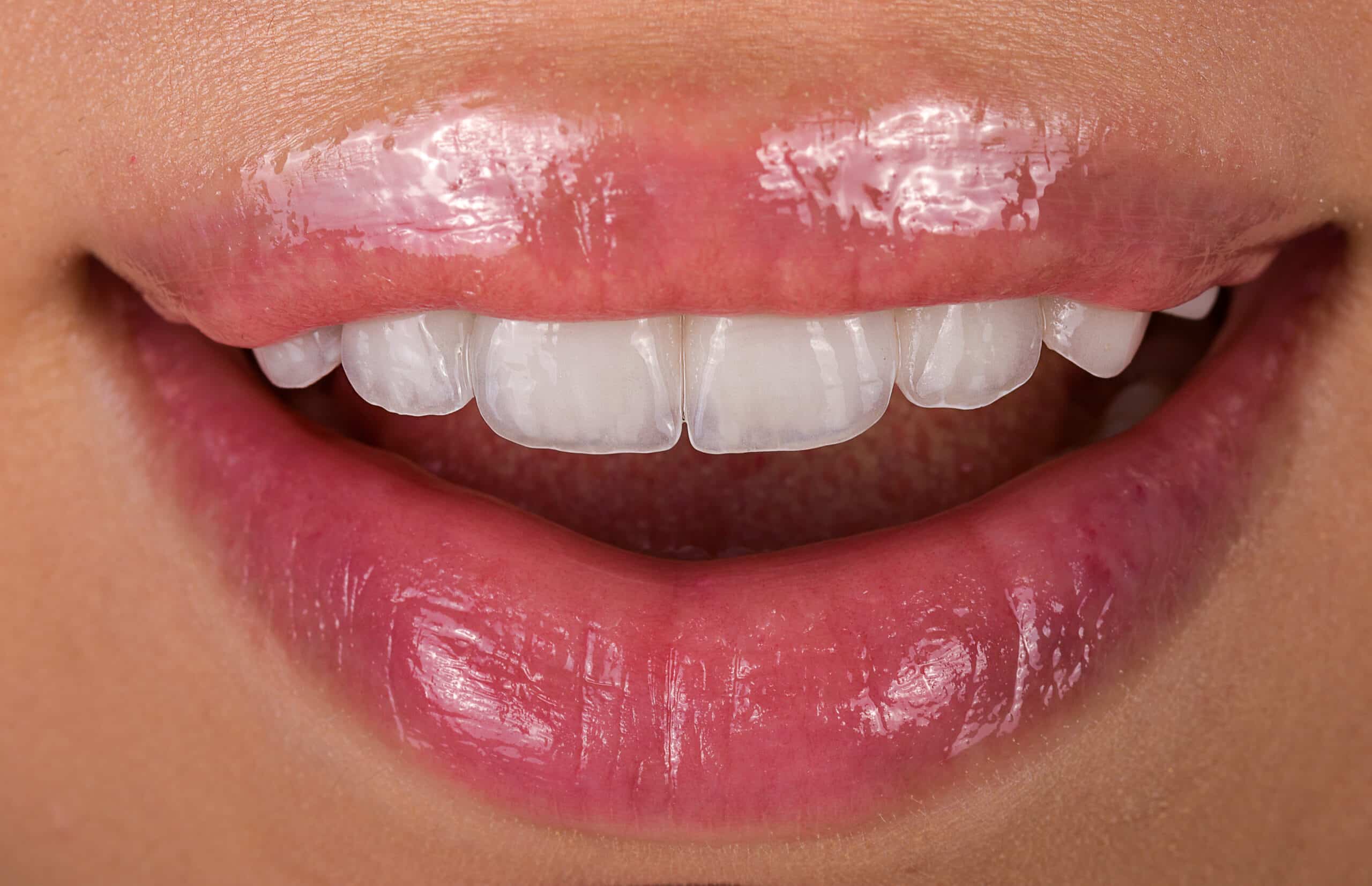
Achieve a symmetrical, brilliantly white smile with E-max and zirconia veneers at Istanbul's leading cosmetic dental clinics. Digital Smile Design technology lets you preview your new look before treatment begins.
dental
Laminate Veneers in Turkey
Ultra-thin porcelain veneers (as little as 0.2 mm) that require minimal tooth preparation. Preserve more natural enamel while achieving a stunning cosmetic result.
dental
Dental Crowns in Turkey
Restore damaged, weakened, or aesthetically compromised teeth with zirconia, E-max, or porcelain-fused-to-metal crowns. Same-week treatment at TEMOS-accredited clinics in Istanbul.
Plan the next step clearly
Use this page as a decision-support guide, then move into quote review, treatment comparison, and travel planning with coordinator support.
Decision Context
Patients compare this treatment inside the trip around it
Treatment pages perform better when they acknowledge arrival flow, destination trust, and the recovery rhythm patients are trying to visualise before booking.

The provider decision starts with arrival confidence
Patients compare treatment pages while also asking how first-day logistics, transfers, and scheduling will actually work.

The destination still influences medical trust
A treatment page is stronger when it recognises that the city itself remains part of the decision frame for international patients.
Recovery pacing changes how people evaluate options
Different procedures feel more or less realistic depending on how patients picture the slower hours between appointments.