Medically reviewed by Dt. Tunç Berge, MSc: Esthetic Dentistry & Implantology. Last reviewed June 2026
Fluoride and Your Teeth: How It Protects Against Decay
- TEMOS-accredited clinics
- JCI-accredited hospitals
- Board-certified surgeons and a licensed clinical team
- 3,000+ international patients treated
A NexWell explainer on fluoride and tooth enamel: how it drives remineralisation to slow and reverse early decay, where it comes from (toothpaste, varnish, water, mouthwash), an honest look at dosage and fluorosis, and who benefits most.
Written quote from a NexWell coordinator, usually within 24 hours.
Quick answer
A NexWell explainer on fluoride and tooth enamel: how it drives remineralisation to slow and reverse early decay, where it comes from (toothpaste, varnish, water, mouthwash), an honest look at dosage and fluorosis, and who benefits most.
What Fluoride Actually Does to Your Teeth
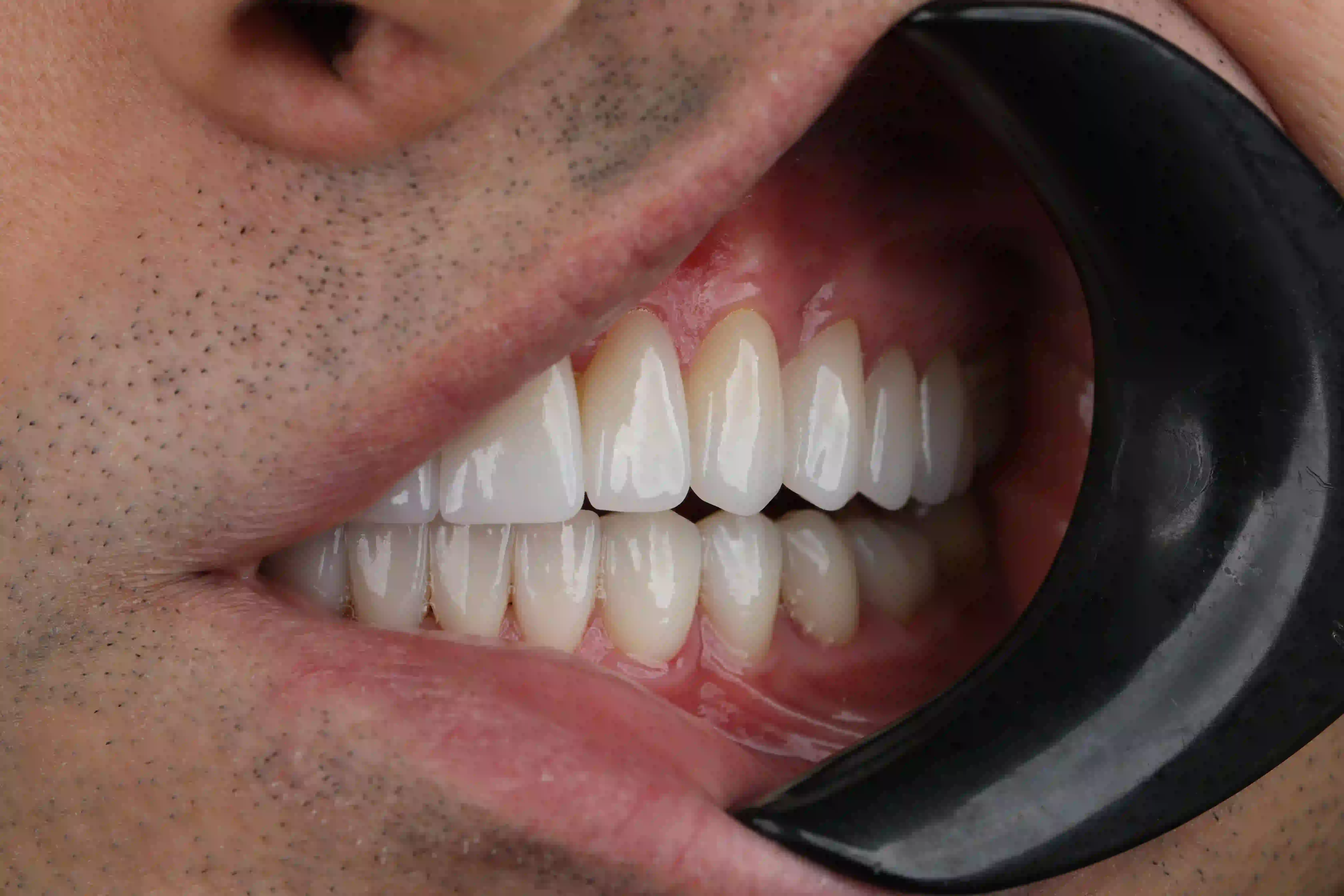
Fluoride is a naturally occurring mineral that strengthens teeth and makes them more resistant to the acid attacks that cause tooth decay. To understand how, it helps to picture what happens on the surface of a tooth every day.
The outer layer of every tooth is enamel: the hardest tissue in the body, built mainly from a crystal called hydroxyapatite. Each time you eat or drink something sugary or starchy, bacteria in the soft film of dental plaque on your teeth feed on those sugars and release acid. That acid pulls calcium and phosphate minerals out of the enamel surface, a process called demineralisation.
Between meals, your saliva works the other way, depositing minerals back into the enamel: remineralisation. Healthy teeth sit in a constant tug-of-war between these two processes.
Fluoride tips that balance firmly in your favour. When fluoride is present in the mouth at low levels, it is drawn into the enamel surface during remineralisation and helps form a tougher crystal called fluorapatite. Compared with ordinary enamel, fluorapatite is markedly more resistant to acid, so the next acid attack does less damage.
Fluoride also speeds up the repair of early, microscopic lesions before they ever become a visible cavity, and at higher concentrations it can interfere with the acid-producing bacteria themselves.
The outer layer of every tooth is enamel: the hardest tissue in the body, built mainly from a crystal called hydroxyapatite.
The key point is that fluoride mostly works topically, that is, by being in contact with the tooth surface, rather than by being swallowed. This is why frequent, low-level exposure (a smear of toothpaste twice a day) protects teeth more effectively than occasional large amounts, and it shapes everything that follows about sources and safe use.
Treatment Plan
Ready for a written Fluoride and Your Teeth: How It Protects Against Decay quote?
A NexWell coordinator reviews your case and replies with a personalised treatment plan and indicative pricing — usually within 24 hours.
Where Fluoride Comes From: The Main Sources
Fluoride reaches your teeth through several everyday routes, and most people use more than one without thinking about it. They differ in concentration, who applies them and how often.
Source
Typical use
Who it suits
Fluoride toothpaste
The foundation of daily protection. Most adult pastes contain 1,350–1,500 ppm fluoride; brushing twice daily and spitting without rinsing leaves a protective film on the teeth
Virtually everyone, from toddlers (a smear) upwards
Fluoride varnish
A high-concentration gel painted onto the teeth by a dentist or hygienist, usually every 3–6 months for those at higher risk
Children, and adults prone to decay or with exposed root surfaces
Fluoridated water
Fluoride added to the public water supply, in many countries to around 0.7 mg/L, giving frequent low-level exposure throughout the day
Whole communities, where it operates
Fluoride mouthwash
An over-the-counter or prescription rinse (commonly 0.05% daily or 0.2% weekly) used in addition to brushing
People at raised decay risk, orthodontic patients, dry-mouth sufferers
These sources stack: a person drinking fluoridated water, brushing with fluoride toothpaste and receiving the occasional varnish is getting protection at several levels. For most healthy adults at low risk, fluoride toothpaste plus fluoridated water is enough, and extra prescription-strength products are reserved for people with a genuine elevated risk of decay.
Fluoride does not replace the basics: controlling dental plaque through brushing and cleaning between the teeth still matters, because fluoride strengthens enamel but does not remove the bacterial film that attacks it.
Is Fluoride Safe? An Honest Look at Dosage and Fluorosis
At the levels used in dental care, fluoride is considered safe and effective by major health authorities, and it is one of the most studied interventions in public health. But safety is about dose, and it is worth being straightforward about that rather than dismissive.
The main cosmetic concern is dental fluorosis. This happens only while permanent teeth are still forming under the gums, typically in children under about eight years old, if they take in too much fluoride from all sources combined over a long period.
In its most common, mildest form, fluorosis shows up as faint white flecks or lines on the enamel that affect neither the health nor, usually, the appearance of the tooth. More pronounced fluorosis, with mottling or brown staining, is uncommon where fluoride exposure is managed and is generally linked to excessive intake during early childhood, for example, young children swallowing large amounts of toothpaste.
This is why the practical advice for young children is specific: use only a smear (under-3s) or a pea-sized amount (3–6 years) of fluoride toothpaste, supervise brushing, and discourage swallowing or eating toothpaste. It is also why fluoride mouthwashes are generally not recommended for very young children.
For everyone else, the amounts in toothpaste, professionally applied varnish and properly fluoridated water are far below any level of concern.
Distinct from fluorosis, swallowing a very large quantity of a concentrated fluoride product at once, well beyond normal use, can cause acute stomach upset, which is the reason fluoride supplements and high-strength products should be kept away from children and used only as directed. Used as intended, none of the routine sources above carries that risk.
As with anything in this guide, this is general information, not a substitute for advice from your own dentist or doctor about your circumstances.
Who Benefits Most From Extra Fluoride
Everyone benefits from the baseline protection of fluoride toothpaste, but some people gain far more from additional, higher-strength fluoride. Dentists assess this individually rather than prescribing it across the board.
The groups most likely to be offered extra fluoride include people with a history of repeated cavities, those with gum recession that exposes softer root surfaces to decay, patients wearing fixed braces where plaque traps around the brackets, and anyone with reduced saliva flow from medication, medical treatment or conditions that cause dry mouth.
People living with frequent sugar exposure or limited access to dental care are also at higher risk, and children whose adult teeth are coming through benefit from varnish at routine check-ups.
Fluoride is preventive, not a repair for damage that has already been done. It can arrest and even reverse the very earliest, microscopic stage of decay, but once a cavity has broken through the enamel it needs restorative treatment: the cavity does not 'heal' with fluoride alone.
Depending on how far decay has progressed, that might mean a simple filling, dental bonding, a dental crown to rebuild a heavily damaged tooth, or root canal treatment if the decay has reached the nerve.
In that sense fluoride is best understood as the front line that keeps you out of the dentist's chair, working alongside good cleaning rather than replacing later treatment when it is needed.
It is also worth noting what fluoride does not do. It strengthens enamel against decay, but it does not whiten teeth or change their shape, that is the territory of teeth whitening and cosmetic dentistry.
And while strong enamel can reduce some triggers, fluoride is not a cure-all for sensitive teeth, nor a treatment for established periodontal disease, both of which have their own management.
If you are weighing up bigger work such as dental implants or veneers down the line, keeping your remaining natural teeth strong with good fluoride habits now is one of the simplest investments you can make.
Vetted partner network
NexWell coordinates with TEMOS-accredited clinics or Ministry of Health–licensed facilities in Turkey.
Board-certified review
Content reviewed by Dt. Tunç Berge — Turkish Dental Association (TDB).
No obligation
Get your Fluoride and Your Teeth: How It Protects Against Decay plan
Send your case and a coordinator returns a written plan and an indicative quote — usually within a day.
Questions Patients Ask Before They Commit
Related reading
Treatment Guide
Tooth Decay and Cavities: Causes, Stages and Treatment
How plaque and acid cause decay, the stages from white-spot lesion to abscess, treatment by stage and prevention.
Treatment Guide
Sensitive Teeth: Causes and How to Get Relief
Why exposed dentin causes sensitivity, common triggers, at-home relief, and when sensitivity signals a problem needing a dentist.
Treatment Guide
Dental Plaque and Tartar: What They Are and How to Control Them
What plaque is, how it hardens into tartar (calculus), why it drives decay and gum disease, and how to control it.
Treatment Guide
Gum Disease and Implants: Periodontal Treatment Before You Start
Why gum disease must usually be treated before implants: gingivitis vs periodontitis, treatment, peri-implantitis and prevention.
Plan the next step clearly
Use this page as a decision-support guide, then move into quote review, treatment comparison, and travel planning with coordinator support.
Decision Context
Patients compare this treatment inside the trip around it
Treatment pages perform better when they acknowledge arrival flow, destination trust, and the recovery rhythm patients are trying to visualise before booking.

The provider decision starts with arrival confidence
Patients compare treatment pages while also asking how first-day logistics, transfers, and scheduling will actually work.

The destination still influences medical trust
A treatment page is stronger when it recognises that the city itself remains part of the decision frame for international patients.

Recovery pacing changes how people evaluate options
Different procedures feel more or less realistic depending on how patients picture the slower hours between appointments.
References
- American Dental Association: Fluoride: Topical and Systemic Supplements (ADA Oral Health Topics)
- CDC: Scientific Statement on the Safety and Effectiveness of Community Water Fluoridation
- Weyant RJ et al.: Topical Fluoride for Caries Prevention: ADA Clinical Recommendations (JADA, PMC)
- Ulrich K et al.: The Role of Fluoride on Caries Prevention (StatPearls, NCBI Bookshelf / NIH)