Medically reviewed by Dt. Taner Bektaş, DDS: Prosthodontics. Last reviewed June 2026
Porcelain Veneers Explained: Process, Materials & Care
- TEMOS-accredited clinics
- JCI-accredited hospitals
- Board-certified surgeons and a licensed clinical team
- 3,000+ international patients treated
A NexWell planning guide to porcelain veneers: how they work, who they suit, the preparation and bonding process, materials, lifespan, and how treatment in Turkey is planned.
Written quote from a NexWell coordinator, usually within 24 hours.
Quick answer
A NexWell planning guide to porcelain veneers: how they work, who they suit, the preparation and bonding process, materials, lifespan, and how treatment in Turkey is planned.
What porcelain veneers actually are
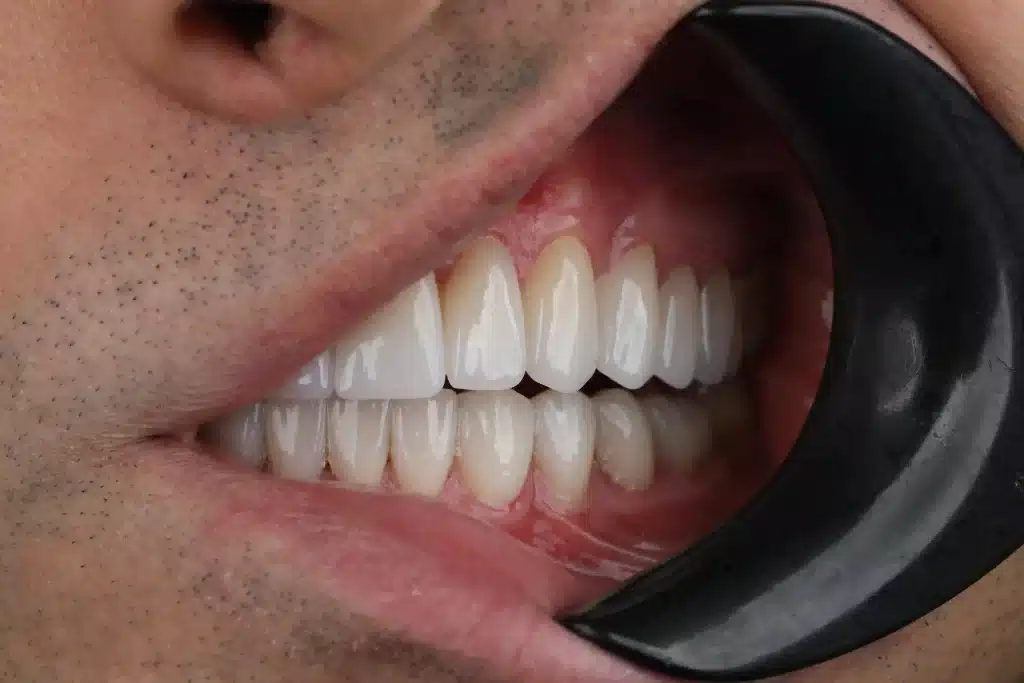
A porcelain veneer is a thin, custom-made shell of dental ceramic, usually around 0.3 to 0.7 mm thick, bonded to the visible front surface of a tooth to change its shape, colour, alignment or proportions. Think of it as a precisely fitted facing rather than a full cap.
Because it covers only the front (and sometimes the biting edge) of the tooth, a veneer is more conservative than a crown, which encircles the whole tooth. If you are weighing the two approaches, our guide to veneers vs crowns sets out when each makes clinical sense.
The defining feature of porcelain is the way it handles light. High-quality dental ceramic is semi-translucent, so it scatters and transmits light in a way that mimics natural tooth enamel. That optical depth is why a well-made porcelain veneer typically looks more lifelike under different lighting than a single-shade material.
It is also why technician skill matters as much as the dentist's: the laboratory builds colour, translucency and surface texture into each unit by hand or by milling.
Veneers belong to the broader family of cosmetic dentistry that also includes dental bonding, teeth whitening and orthodontic options such as clear aligners. They are not a treatment for disease.
Because it covers only the front (and sometimes the biting edge) of the tooth, a veneer is more conservative than a crown, which encircles the whole tooth.
Veneers do not cure tooth decay or gum problems, and a responsible dentist will stabilise any active issues before discussing aesthetics at all. The American Dental Association is explicit that veneers are an elective, cosmetic procedure, and that placing them removes some natural tooth structure permanently: a point we return to below.
Porcelain is not the only veneer material. Composite resin veneers are sculpted directly onto the tooth in a single visit and cost less, but they stain and wear faster. The trade-offs are covered in composite vs porcelain veneers.
For multiple teeth and a fully designed result, porcelain is the more durable, more stain-resistant choice in many cases, which is why it remains the standard for a coordinated Hollywood smile or a wider smile makeover.
The right answer for you depends on your goals, your bite and how much enamel can safely be preserved: something only an in-person assessment can settle.
Who is a good candidate, and who isn't
Veneers tend to suit people who have healthy teeth and gums but are unhappy with the appearance of their smile. Common reasons include intrinsic discolouration that does not respond to whitening, small chips or worn edges, minor gaps, teeth that are slightly short or irregularly shaped, and front teeth that are mildly out of line.
In these situations a thin layer of ceramic can deliver a noticeable change while removing relatively little tooth structure.
They are a poorer choice in several clearly defined circumstances. If you clench or grind heavily, a habit known as teeth grinding or bruxism, the repeated load can chip or debond a thin ceramic shell. Veneers can still be possible, but your dentist will usually assess your bite carefully and may recommend a night guard to protect them.
Significant gum recession can expose veneer margins and root surfaces, creating an unaesthetic dark line and increasing the risk of sensitive teeth.
Active gum disease, untreated cavities, or a tooth that has had a root canal and is structurally weak may all point towards a crown or a different plan rather than a veneer.
Alignment matters too. If teeth are substantially crowded or rotated, masking that with veneers can mean removing more enamel than is ideal, and the result can look bulky.
In many of these cases dentists suggest moving the teeth first with Invisalign or another aligner system, then placing thinner, more conservative veneers, or sometimes finding that no veneers are needed at all. "Straighten, whiten, then add ceramic only where needed" is a sound sequence to ask about.
There is also a quantity question. Not everyone needs a full set; sometimes two or four teeth are enough to balance a smile, and matching colour across natural and veneered teeth becomes the real challenge. Our guide on how many veneers do I need walks through this. Finally, candidacy is partly about expectations.
Veneers are an irreversible commitment to a lifetime of maintenance and eventual replacement, so a thorough consultation: ideally with photographs, X-rays and a discussion of alternatives such as veneers vs composite bonding: is the responsible starting point, not a same-day decision.
Treatment Plan
Ready for a written Porcelain Veneers Explained: Process, Materials & Care quote?
A NexWell coordinator reviews your case and replies with a personalised treatment plan and indicative pricing — usually within 24 hours.
The preparation and bonding process, step by step
A typical porcelain veneer journey runs across two to three appointments. It begins with planning. Your dentist examines your teeth and gums, takes X-rays and photographs, and discusses what is realistic for your face and bite.
Many clinics now produce a digital or wax mock-up so you can preview the proposed shape before any tooth is touched: a step worth requesting, because it turns an abstract plan into something you can approve or adjust.
The second stage is preparation. For most porcelain veneers the dentist removes a small amount of enamel from the front of the tooth, often around 0.3 to 0.5 mm, to make room for the ceramic and to give the bond a reliable surface. This reduction is conservative compared with a crown, but it is permanent, which is why it cannot be undone once started.
Some thinner designs and the so-called no-prep veneers and Lumineers remove little or no enamel, though they are only suitable in selected cases and your dentist assesses whether your teeth can accommodate them without looking bulky.
Next comes the impression. Traditionally this is a physical mould; increasingly it is a digital scan taken with an intra-oral camera, which is more comfortable and feeds directly into laboratory design software. The shade is chosen here too, matched to your natural teeth or to a brighter target you have agreed on.
Because the laboratory needs days to build the units, the dentist usually fits temporary veneers in the meantime. These protect prepared teeth, reduce sensitivity and let you test-drive the new look; tell your dentist if the temporaries feel too long, too bulky or wrong in colour, because that feedback shapes the finals.
The final visit is bonding. The dentist tries each veneer in place, checks fit, colour and how it sits against the neighbouring and opposing teeth, and only then bonds it. The tooth surface is cleaned and lightly etched, an adhesive is applied, and the veneer is cemented with a resin that is hardened with a curing light. Excess cement is removed, the bite is adjusted, and margins are polished.
You may notice mild sensitivity to hot and cold for a few days afterwards, which typically settles. A short review appointment a week or two later lets the dentist confirm the bite has settled and the gums are healthy around the new margins.
Materials, durability and realistic lifespan
Not all porcelain is the same, and the material choice affects both appearance and strength. Feldspathic porcelain is the classic, highly aesthetic ceramic, built up in layers by a technician. It can be made extremely thin and lifelike, which makes it a favourite for front teeth where translucency matters most, though it is comparatively less strong.
Pressed ceramics, most commonly lithium disilicate, marketed as e.max, are made by pressing or milling a stronger glass-ceramic, giving a good balance of strength and aesthetics. This is the same material family used in many dental crowns, and the strength differences between options are discussed in e.max crowns vs zirconia crowns.
For the most demanding situations some clinics use zirconia-based ceramics, which trade a little translucency for toughness; the porcelain vs zirconia crowns comparison explains where that matters.
Durability is best understood from the published research rather than marketing claims. A systematic review of porcelain laminate veneers reported an estimated 10-year cumulative survival rate of around 95 percent, with the most common reasons for failure being fracture, debonding and secondary decay at the margins.
Importantly, that figure is a population average from clinical studies, not a promise for any individual tooth. Your own outcome depends on your bite, your oral hygiene, whether you grind, and the skill of the dentist and laboratory.
In practical terms, many well-made and well-cared-for porcelain veneers last roughly 10 to 15 years, and some considerably longer, but they are not a permanent fixture. Over time a veneer may chip, its margins may stain, or the gum may recede and reveal an edge, at which point it will need repair or replacement.
Because enamel was removed during preparation, the underlying tooth almost always needs another veneer or a crown when the original fails rather than returning to its natural state.
The research also offers useful design lessons your dentist may weigh: veneers that cover the biting edge tend to survive better than those that stop short of it, and non-feldspathic ceramics generally show somewhat lower failure rates than feldspathic ones.
None of this makes one material universally "best": the right choice balances how much you load your front teeth, how translucent you want the result, and how conservative the preparation can be.
Pros, cons and day-to-day aftercare
The case for porcelain veneers is mainly aesthetic and durable. They can transform colour, shape and proportion in a way that resists staining far better than composite, and high-quality ceramic mimics natural enamel convincingly.
Compared with a crown they preserve more tooth structure, and compared with a dental bridge or dental implants they are a different category altogether: veneers reshape existing healthy teeth rather than replace missing ones.
The drawbacks deserve equal billing. Veneers are irreversible because enamel is removed; they can chip or debond, particularly under grinding; and they commit you to ongoing maintenance and eventual replacement. They can increase short-term sensitivity, and a poorly matched single veneer can stand out against natural neighbours.
They are also elective: most insurers treat them as cosmetic and do not contribute, and a result that looks unnaturally white or bulky, the over-treated "too perfect" look, is a real risk if proportions are not planned carefully. A good clinician will sometimes talk you out of veneers in favour of whitening, bonding or aligners.
Aftercare is reassuringly ordinary but genuinely important. Brush twice daily with a non-abrasive fluoride toothpaste and clean between your teeth, because veneers do not protect the gum line or the back of the tooth, where decay and recession can still start. The margin where ceramic meets tooth is the vulnerable zone, so keeping it plaque-free directly affects how long the veneer lasts.
Avoid using your front teeth as tools, opening packaging, biting nails or chewing pens, and be cautious with very hard foods such as ice or bones.
If you grind or clench, a custom night guard is one of the most effective ways to protect your investment, and many dentists consider it essential for veneer patients with any history of bruxism. Heavily pigmented foods, red wine, coffee and tobacco are less of a problem for the porcelain itself than for the bonding margins and your natural teeth, so they can still affect the overall look over time.
Finally, keep up regular dental check-ups: a dentist can spot a lifting margin, a hairline chip or early gum recession long before it becomes a problem, and routine professional cleaning keeps the surrounding tissues healthy.
How cost and timelines work, including treatment in Turkey
Veneer pricing is driven by the material, the number of units, the laboratory's quality and the clinician's experience, not by the country alone. Treatment in Turkey is often more affordable than in the UK, the US or western Europe, largely because of lower labour and overhead costs rather than lower clinical standards at reputable clinics.
Any specific figure you see online, including ours, should be read as an indicative range only; the number that actually protects you is a written, itemised quote that names the material, the number of veneers, the laboratory, and what aftercare and guarantees are included.
For current benchmarks see our cost of veneers in Turkey page, and for a full smile design the Hollywood smile Turkey cost breakdown.
Be wary of headline per-tooth prices that look unusually low. They may quote composite rather than porcelain, exclude the temporaries, the consultation, X-rays or the night guard, or assume a high unit count. Ask whether the quote covers a digital mock-up, how many try-in stages are included, and what happens, and who pays, if a veneer chips after you fly home.
A trustworthy clinic answers these in writing before you travel.
Timelines for travelling patients are compressed but should never be rushed at the expense of planning. A common pattern is a single trip of roughly five to seven days: assessment, photographs and a digital scan early on; preparation and temporaries mid-trip; then a try-in and final bonding once the laboratory has produced the veneers.
Some treatments involving many units, gum work such as gum contouring for a gummy smile, or any pre-treatment like whitening or alignment may need two visits separated by a few weeks. Beware of plans that promise a full mouth of finished veneers in two or three days, as adequate try-in and bite adjustment take time.
Whatever the destination, the same diligence applies. Confirm that a licensed dentist, not a non-clinical "veneer technician", will carry out every clinical step, a point the ADA has publicly warned the public about. Ask for examples of the clinic's own cases, clarity on the ceramic being used, and a clear written aftercare and warranty policy.
Travelling for veneers can be a sensible, cost-effective choice in many cases; it is the quality of planning and the honesty of the quote, far more than the price tag, that determine whether you are happy a decade from now.
Vetted partner network
NexWell coordinates with TEMOS-accredited clinics or Ministry of Health–licensed facilities in Turkey.
Board-certified review
Content reviewed by Dt. Taner Bektaş — Turkish Dental Association (TDB).
5.0★ from real patients (2 reviews)
“I'd been self-conscious about my teeth my entire adult life: crowded, discoloured, chipped. I sent photos, got a digital smile design back within 48 hours, and booked. Five days in Istanbul, and I came home with a completely new smile.…” — James T., Dublin, Ireland
No obligation
Get your Porcelain Veneers Explained: Process, Materials & Care plan
Send your case and a coordinator returns a written plan and an indicative quote — usually within a day.
Questions Patients Ask Before They Commit
Related reading
dental
Laminate Veneers in Turkey
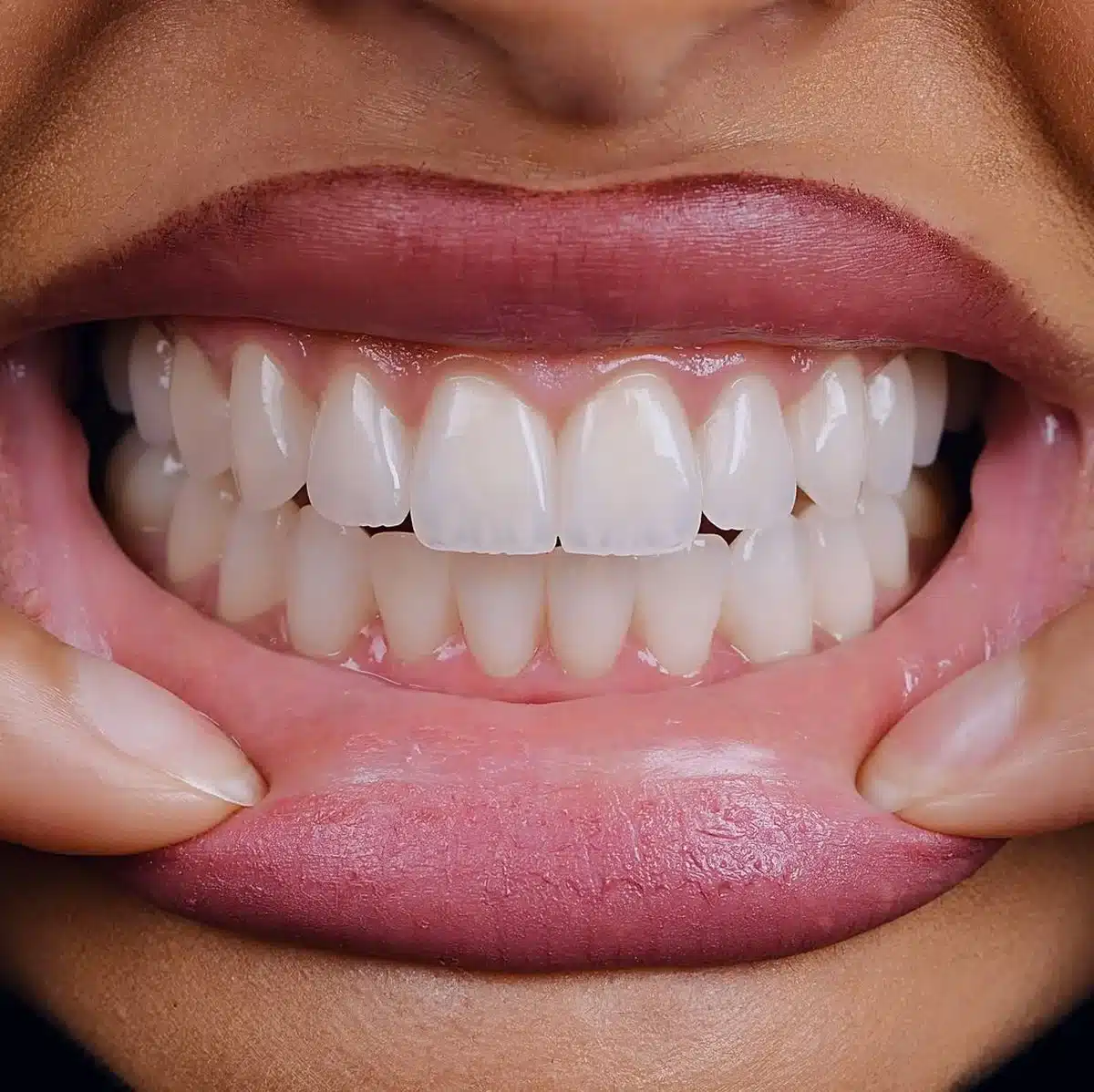
Ultra-thin porcelain veneers (as little as 0.2 mm) that require minimal tooth preparation. Preserve more natural enamel while achieving a stunning cosmetic result.
Treatment Guide
Composite vs Porcelain Veneers: An Honest Decision Guide
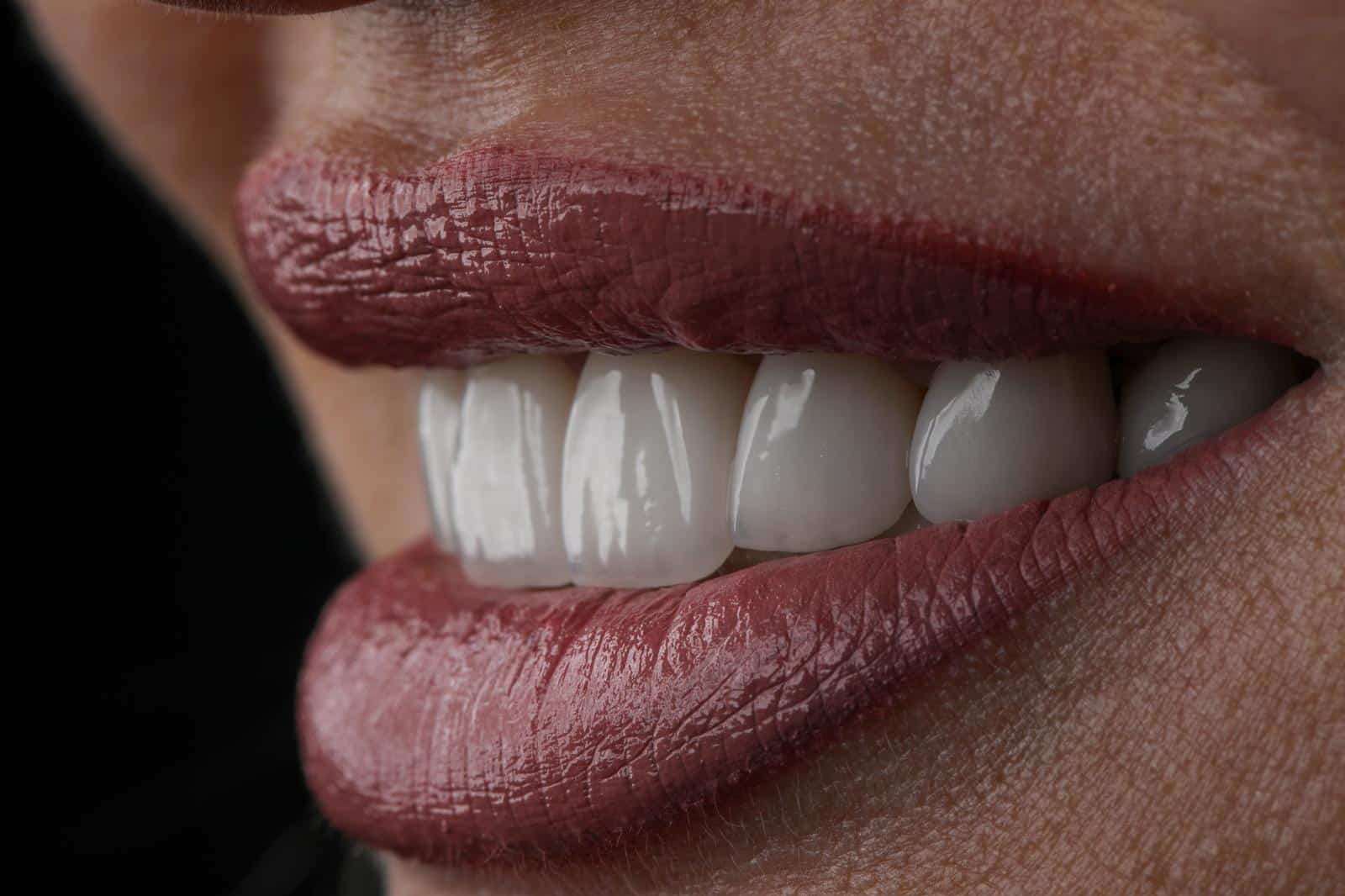
Composite vs porcelain veneers compared: how each is made, cost, durability, stain resistance, reversibility and who each suits.
dental-treatments
Dental Crowns vs Veneers: Coverage, Tooth Preservation & When Each Is Appropriate
When should you get a crown and when should you get a veneer? A clinical guide to tooth coverage options: structural requirements, enamel preservation, aesthetic differences, and cost comparison.
dental
Hollywood Smile in Turkey
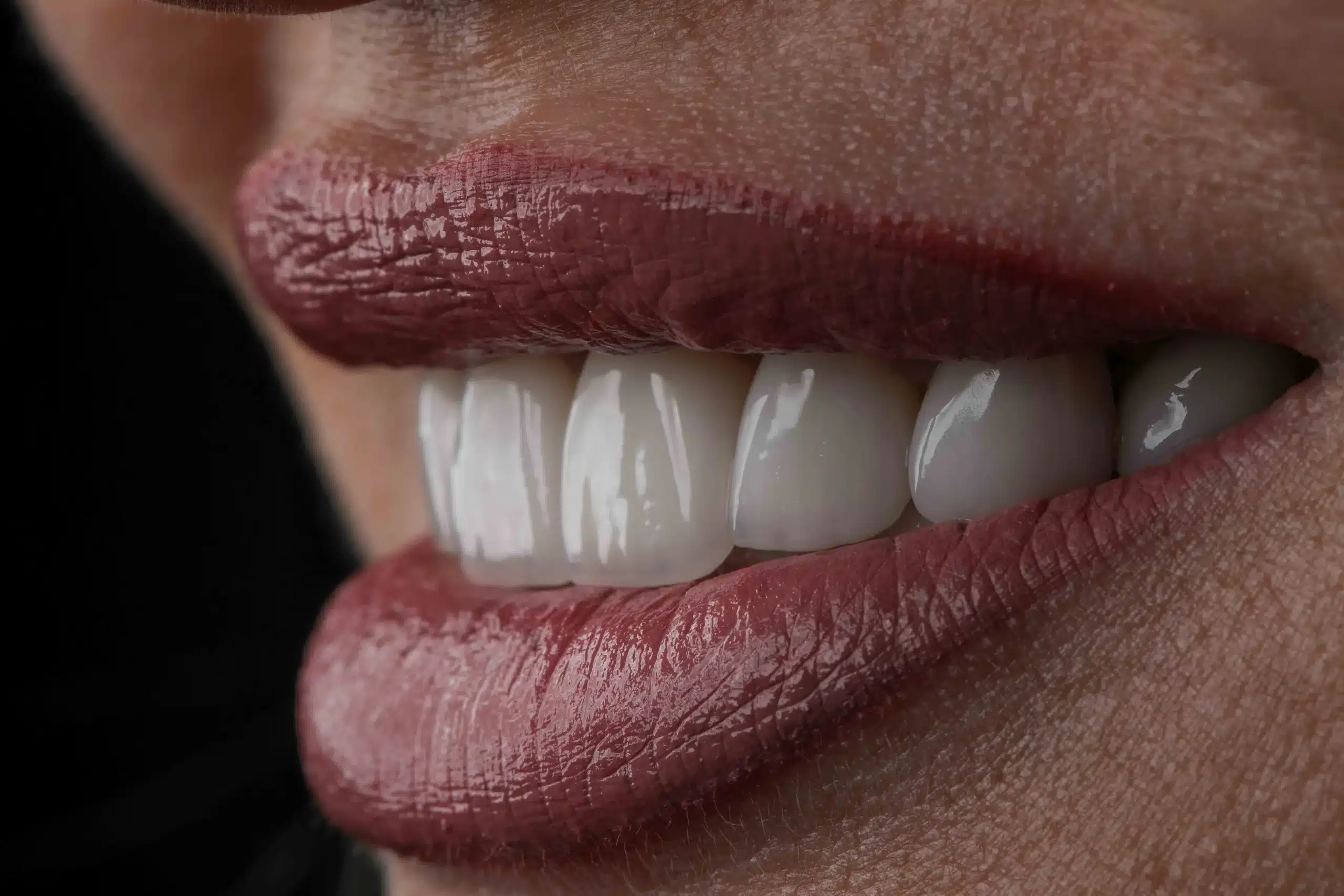
Achieve a symmetrical, brilliantly white smile with E-max and zirconia veneers at Istanbul's leading cosmetic dental clinics. Digital Smile Design technology lets you preview your new look before treatment begins.
Plan the next step clearly
Use this page as a decision-support guide, then move into quote review, treatment comparison, and travel planning with coordinator support.
Decision Context
Patients compare this treatment inside the trip around it
Treatment pages perform better when they acknowledge arrival flow, destination trust, and the recovery rhythm patients are trying to visualise before booking.

The provider decision starts with arrival confidence
Patients compare treatment pages while also asking how first-day logistics, transfers, and scheduling will actually work.

The destination still influences medical trust
A treatment page is stronger when it recognises that the city itself remains part of the decision frame for international patients.

Recovery pacing changes how people evaluate options
Different procedures feel more or less realistic depending on how patients picture the slower hours between appointments.