Medically reviewed by Dt. Taner Bektaş, DDS: Prosthodontics. Last reviewed June 2026
Veneers vs Crowns: How to Decide Which One Your Tooth Needs
- TEMOS-accredited clinics
- JCI-accredited hospitals
- Board-certified surgeons and a licensed clinical team
- 3,000+ international patients treated
A NexWell planning guide to choosing between veneers and crowns: how coverage, tooth removal, strength under bite load, longevity and cost differ, and when each is clinically appropriate.
Written quote from a NexWell coordinator, usually within 24 hours.

Quick answer
A NexWell planning guide to choosing between veneers and crowns: how coverage, tooth removal, strength under bite load, longevity and cost differ, and when each is clinically appropriate.
Veneers vs crowns: the one difference that decides everything
If you are weighing up veneers against dental crowns, almost every other question, strength, longevity, cost, how much of your tooth is removed, flows from a single distinction: how much of the tooth the restoration covers.
A veneer is a thin shell, typically around 0.3–0.7 mm thick, bonded only to the visible front surface of a tooth. The back, the biting edge and the sides are largely left as your own natural tooth. A crown is a full cap that covers the entire tooth in every direction, replacing the outer layer on all surfaces and taking over the full job of chewing.
That is why the two are not really competitors for the same problem. A veneer is a cosmetic facing for a tooth that is fundamentally sound. A crown is a structural rebuild for a tooth that has lost too much of itself to stand on its own.
Understanding which situation you are in is the whole decision, and a good clinician will tell you frankly which one your tooth actually needs rather than which one you came in asking for.
This guide explains the trade-offs in plain terms so you can have a more informed conversation with your dentist. It is general information and not a diagnosis: only an in-person examination and X-rays can confirm what is right for your specific tooth.
A veneer is a thin shell, typically around 0.3–0.7 mm thick, bonded only to the visible front surface of a tooth.
If you have also seen removable snap-on kits advertised as a third option, our honest pop on veneers review covers where those fit, and where they don't.
Coverage and how much tooth structure is removed
The amount of healthy tooth a dentist must remove is one of the most important and least discussed parts of this decision, because tooth removal is permanent. Your tooth enamel does not grow back once it is shaped away.
For a conventional porcelain veneer, the dentist removes a thin sliver of enamel from the front surface and a little from the biting edge: usually within the enamel layer itself. The aim is to make room for the veneer so it sits flush and looks natural rather than bulky. Because the reduction is shallow and confined to the front, most of the tooth, including the back and core, stays intact.
Some thin or no-prep veneers and Lumineers require even less reduction, though they suit a narrower set of cases.
A crown is far more involved. The dentist reduces the tooth on all sides and the top, shaping it down into a smaller core (a "prep") so the cap can fit over it. This removes considerably more tissue than a veneer and often passes through enamel into the dentine beneath. That is not a flaw of crowns: it is the point.
You accept more reduction precisely because the tooth has already lost so much structure or strength that a full cap is the only way to protect what remains.
The practical takeaway: a veneer is the more tooth-conserving option, but only a sound tooth qualifies for it. A crown removes more, and is justified when the tooth genuinely needs that level of protection.
Treatment Plan
Ready for a written Veneers vs Crowns: How to Decide Which One Your Tooth Needs quote?
A NexWell coordinator reviews your case and replies with a personalised treatment plan and indicative pricing — usually within 24 hours.
When a veneer is enough, and when you need a crown
Indications are where the clinical logic becomes clear.
A veneer tends to be appropriate when the problem is mainly cosmetic and the underlying tooth is strong: stubborn discolouration that will not respond to teeth whitening, small chips, minor gaps, mild crowding or slightly misshapen front teeth. The ideal veneer candidate has plenty of healthy enamel for the shell to bond to, no large fillings, and a tooth that is structurally robust.
Front teeth, which carry less crushing force, are the classic veneer zone, and several of them together can form the basis of a Hollywood smile or wider smile makeover.
A crown becomes the better choice when the tooth itself is compromised. Common triggers include a heavily filled tooth where little natural structure remains, a cracked or broken tooth, extensive tooth decay that has undermined the walls, or a tooth that has had root canal treatment and become brittle.
In these situations a veneer would simply be facing a weak tooth without holding it together: the cap is what stops the tooth fracturing further under load.
A useful way to think about it: ask whether the tooth needs to be made to look better or to be held together. "Look better, and it is strong" points toward a veneer or even dental bonding; "held together because it is weak" points toward a crown. Many borderline cases exist, which is exactly why an examination matters more than a rule of thumb.
Veneers vs crowns at a glance
The lines below compare the two restorations factor by factor (factor, veneer, crown). They are general patterns, not promises for any individual tooth.
Coverage, Front surface and biting edge only, Entire tooth, all surfaces
Tooth structure removed, Minimal, mostly within enamel, Substantial, all around the tooth
Best suited to, Cosmetic issues on a strong tooth, Weak, cracked, decayed or root-canalled teeth
Strength under bite force, Good for front teeth, relies on the underlying tooth, High; the cap carries the chewing load
Typical tooth location, Mainly front teeth, Front or back, including molars
Reversibility, Not reversible (enamel is removed), Not reversible (significant prep)
Indicative longevity, Often many years with good care, Often many years with good care
Indicative cost per tooth, Lower to mid range, Mid range, can be higher for some materials
For itemised figures specific to your case, see our notes on the cost of veneers in Turkey and on dental crowns cost, and always ask for a written itemised quote.
Strength, longevity and cost compared
Strength under bite load is where the two diverge most. A crown is engineered to absorb chewing forces because it wraps the whole tooth, which is why crowns are routinely placed on molars and on any tooth that takes heavy load. A veneer, by contrast, leans on the tooth behind it; on a healthy front tooth that is perfectly adequate, but a veneer is not designed to rebuild a tooth that is already failing structurally.
If you have teeth grinding or bruxism, both restorations are at higher risk and a protective night guard is usually advised regardless of which you choose.
Longevity for both depends heavily on the material, the skill of the bonding or fitting, your bite and your day-to-day care. Modern porcelain and ceramic restorations can last many years when looked after, but no honest clinician will quote a fixed lifespan or call any restoration permanent: they are durable, not indestructible, and may need replacing in time.
Material choice matters here too; if a crown is on the cards it is worth understanding options such as e.max crowns vs zirconia and porcelain vs zirconia crowns.
On cost, veneers and crowns overlap and the headline number is less useful than people expect. Any price you see online is an indicative range only, and it shifts with material, number of teeth, the clinic and any preparatory work. The only reliable figure is a written itemised quote that lists each tooth, the material and what is included.
Be wary of single low "per tooth" prices that quietly exclude consultations, temporaries or follow-up.
Combining veneers and crowns in one smile
It is a common misconception that a smile must be all veneers or all crowns. In reality, a well-planned cosmetic case frequently mixes the two, because different teeth in the same mouth are in different conditions.
A typical pattern: the strong, sound front teeth receive porcelain veneers, while a neighbouring tooth that is heavily filled, cracked or previously root-treated receives a crown. The dentist then matches the shade, shape and translucency across both so that, from the outside, no one can tell where the veneers end and the crowns begin.
This hybrid approach respects each tooth's individual needs rather than forcing a single solution onto the whole arch.
The same planning mindset applies when teeth are missing as well as compromised. A gap might be addressed with a dental bridge or dental implants and finished with crowns, while the remaining natural teeth are veneered for appearance.
In more extensive rebuilds, options like full mouth dental implants change the conversation entirely. The point is that veneers and crowns are tools in the same kit, and a thoughtful treatment plan chooses each one where it genuinely fits: something that should be set out clearly before any tooth is touched.
Vetted partner network
NexWell coordinates with TEMOS-accredited clinics or Ministry of Health–licensed facilities in Turkey.
Board-certified review
Content reviewed by Dt. Taner Bektaş — Turkish Dental Association (TDB).
5.0★ from real patients (2 reviews)
“I'd been self-conscious about my teeth my entire adult life: crowded, discoloured, chipped. I sent photos, got a digital smile design back within 48 hours, and booked. Five days in Istanbul, and I came home with a completely new smile.…” — James T., Dublin, Ireland
No obligation
Get your Veneers vs Crowns: How to Decide Which One Your Tooth Needs plan
Send your case and a coordinator returns a written plan and an indicative quote — usually within a day.
Questions Patients Ask Before They Commit
Related reading
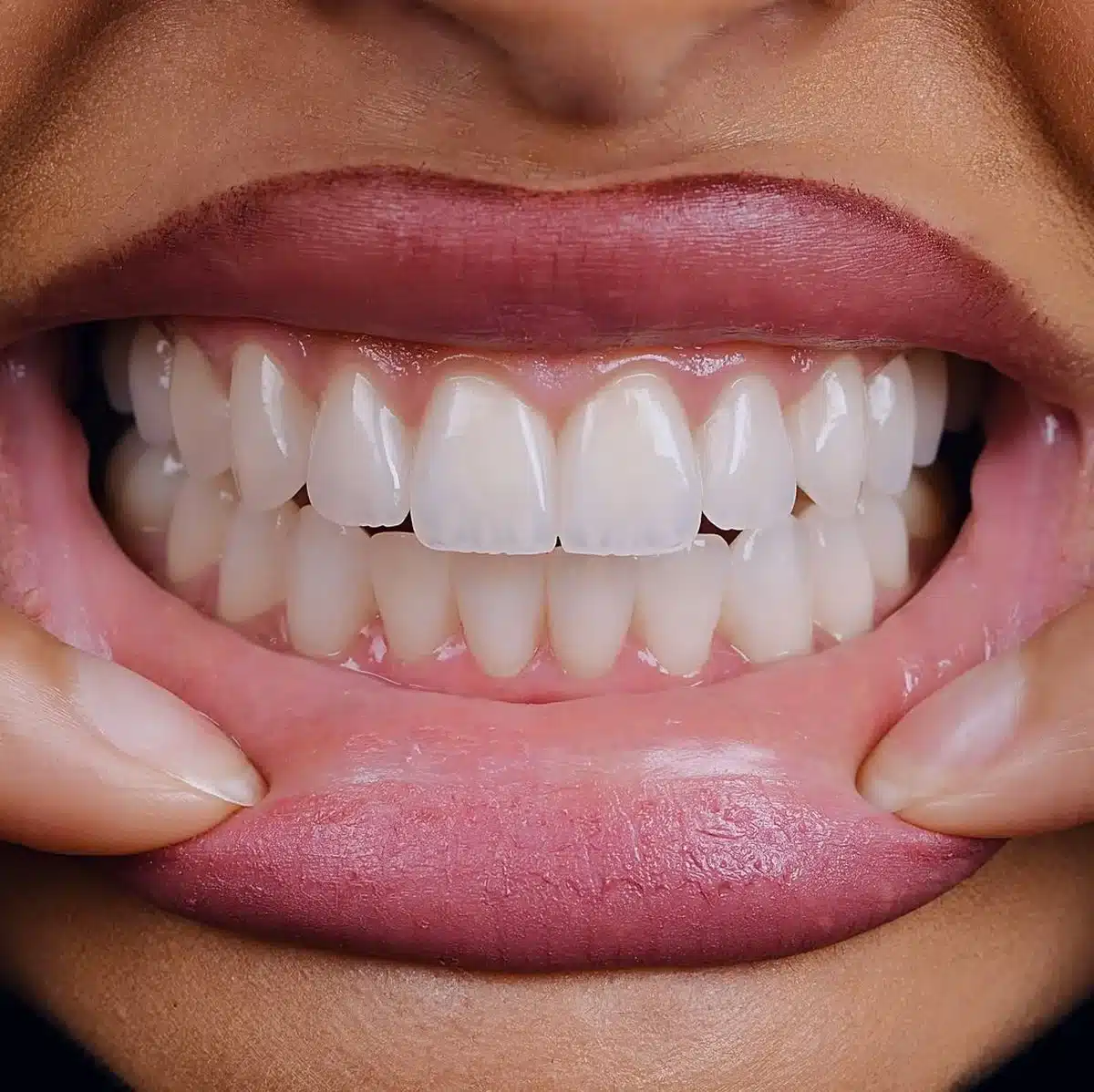
dental
Laminate Veneers in Turkey
Ultra-thin porcelain veneers (as little as 0.2 mm) that require minimal tooth preparation. Preserve more natural enamel while achieving a stunning cosmetic result.
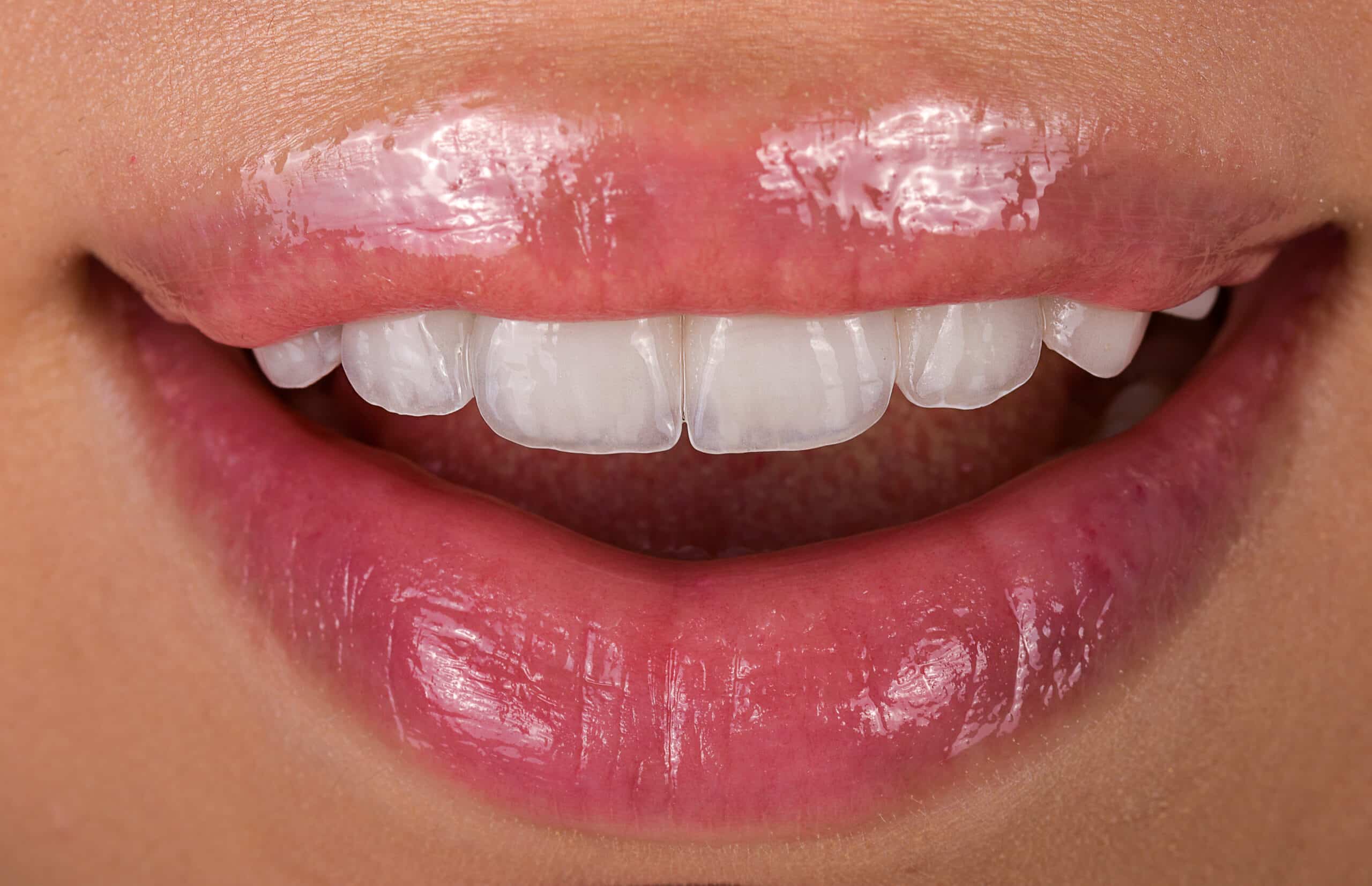
dental
Dental Crowns in Turkey
Restore damaged, weakened, or aesthetically compromised teeth with zirconia, E-max, or porcelain-fused-to-metal crowns. Same-week treatment at TEMOS-accredited clinics in Istanbul.
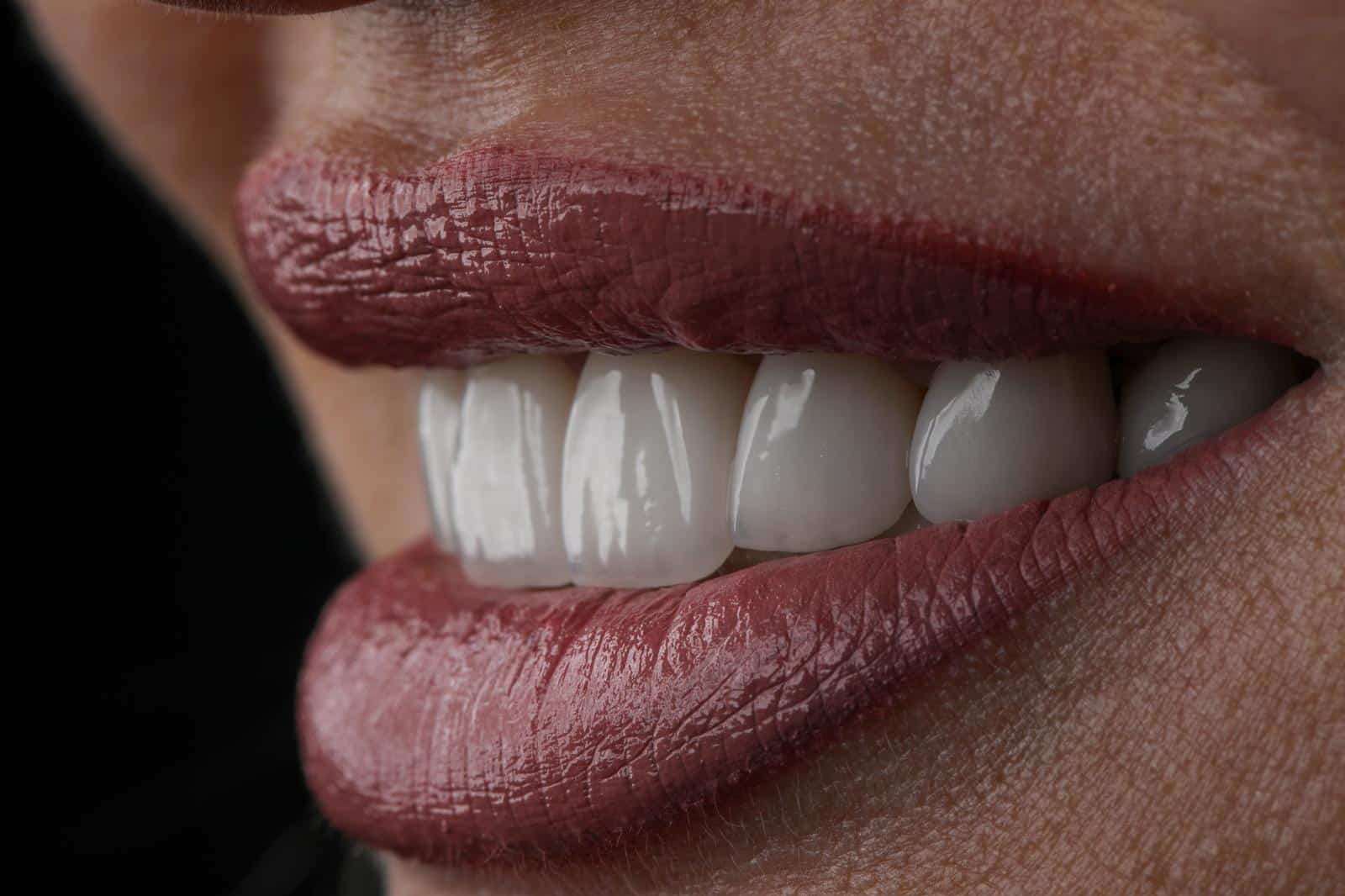
Treatment Guide
Porcelain Veneers Explained: Process, Materials & Care
How porcelain veneers work: ideal candidates, the minimal-prep process, materials, lifespan, pros and cons, aftercare and indicative cost in Turkey.
Treatment Guide
Cracked or Broken Tooth: Your Treatment Options
The five types of tooth crack and which treatment fits each — bonding, crown, root canal or extraction and implant.
Plan the next step clearly
Use this page as a decision-support guide, then move into quote review, treatment comparison, and travel planning with coordinator support.
Decision Context
Patients compare this treatment inside the trip around it
Treatment pages perform better when they acknowledge arrival flow, destination trust, and the recovery rhythm patients are trying to visualise before booking.

The provider decision starts with arrival confidence
Patients compare treatment pages while also asking how first-day logistics, transfers, and scheduling will actually work.

The destination still influences medical trust
A treatment page is stronger when it recognises that the city itself remains part of the decision frame for international patients.

Recovery pacing changes how people evaluate options
Different procedures feel more or less realistic depending on how patients picture the slower hours between appointments.